The digital landscape, while a marvel of connectivity, has simultaneously become a fertile ground for the rapid spread of health misinformation, posing an insidious threat to public well-being across the globe. In an era where a quick search or a scroll through a social media feed can yield a plethora of health advice, distinguishing between credible information and dangerous falsehoods has become an increasingly complex and critical challenge. This pervasive issue affects individuals from all walks of life, often preying on their vulnerabilities and deepest desires, leading them down paths of unproven remedies and potential harm.
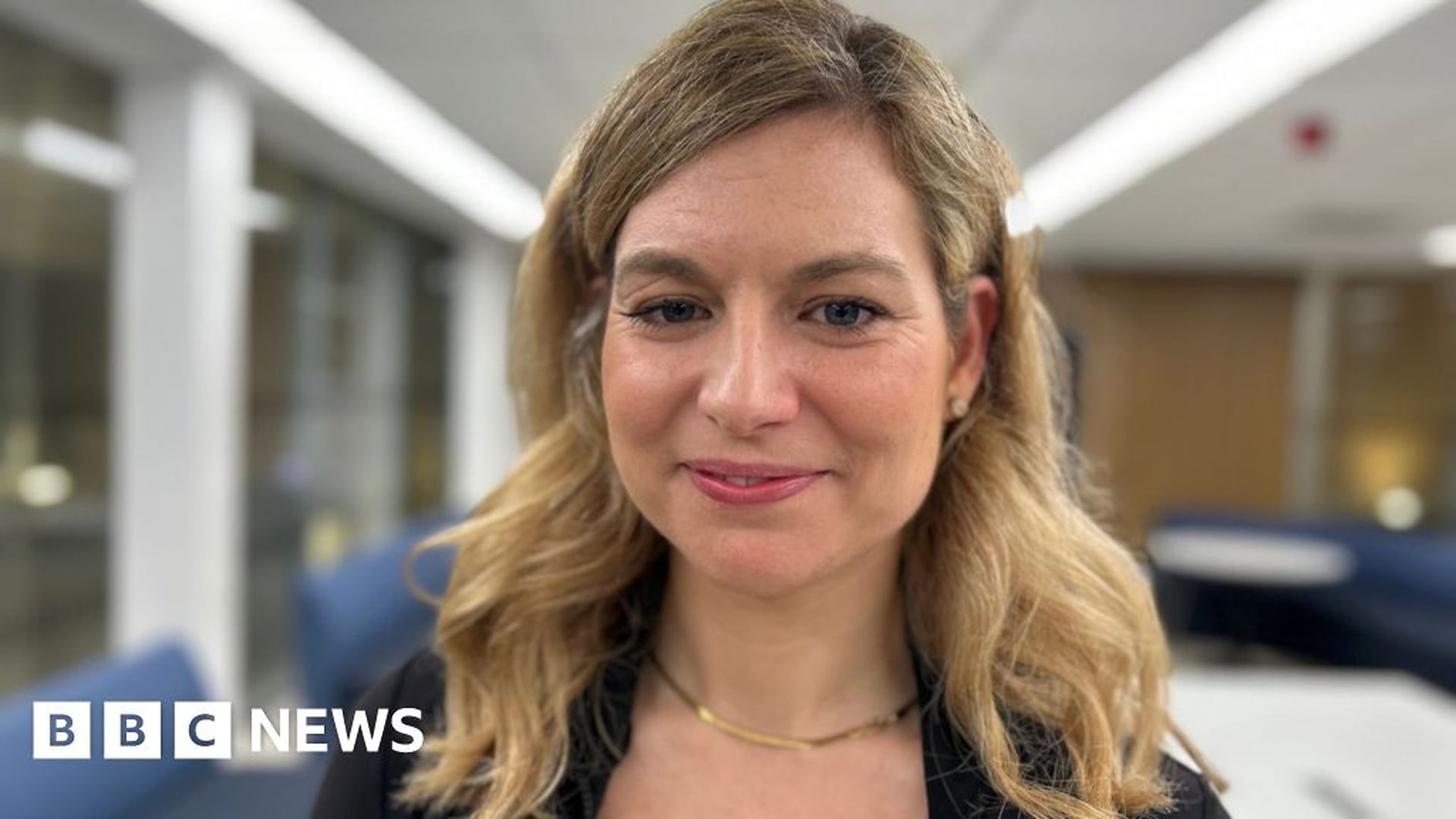
One poignant illustration of this global phenomenon comes from the personal experience of Barbora Gray, whose desperate quest for fertility led her to embrace an array of unverified and often bizarre health claims circulating online. Faced with the profound emotional toll of infertility, Barbora, like countless others, turned to social media platforms in search of answers and hope. It was in this vulnerable state that she encountered and, for a time, believed in highly unconventional methods, including the startling suggestion of shampooing her hair with raw egg in the misguided belief that it could enhance her chances of conception. This seemingly innocuous act, born out of desperation and fueled by online narratives, underscores the profound impact and potential absurdity of the advice disseminated without scientific backing. Her story is not an isolated incident but a powerful microcosm of a much larger, global problem where emotional distress can override critical judgment in the face of compelling, yet false, online narratives.
The proliferation of health misinformation is deeply intertwined with the architecture of social media itself. Algorithms, designed to maximize engagement, often prioritize sensational or emotionally charged content, regardless of its factual accuracy. This creates echo chambers where users are repeatedly exposed to similar unverified claims, reinforcing their beliefs and making it harder to encounter dissenting, evidence-based viewpoints. Furthermore, the ease with which content can be shared, often without critical evaluation, allows falsehoods to spread virally, reaching millions before any corrective measures can be implemented. The sheer volume of information, coupled with the blurring lines between personal anecdotes, sponsored content, and expert advice, makes it incredibly difficult for the average user to discern truth from fiction. This digital environment fosters an atmosphere where anecdotal evidence can often overshadow rigorous scientific research, leading to a widespread erosion of trust in established medical institutions and professionals.
The consequences of acting on unverified health advice extend far beyond mere ineffectiveness. In many cases, individuals may delay or forgo legitimate medical treatment in favor of unproven remedies, potentially exacerbating existing conditions or missing critical windows for effective intervention. The financial burden can also be substantial, as people invest in expensive supplements, devices, or programs that offer false hope. Emotionally, the cycle of hope and disappointment can be devastating, particularly for those grappling with sensitive issues like infertility or chronic illness. Barbora Gray's journey highlights this emotional rollercoaster, as the initial glimmer of hope offered by an online "cure" inevitably gave way to the crushing reality of its failure. Her experience serves as a stark reminder that while the internet offers a wealth of information, it also carries the significant risk of leading vulnerable individuals astray, impacting not just their physical health but their mental and financial well-being too.
Recognizing the profound dangers of this digital deluge, Barbora Gray has since transitioned from a recipient of misinformation to a proactive advocate for factual health information. Her personal awakening spurred her to fight back against the tide of online falsehoods by leveraging her own platform to share evidence-based facts and encourage critical thinking. This shift is a testament to the power of individual agency in combating a systemic problem. She now dedicates her efforts to debunking popular health myths, providing her audience with reliable sources, and empowering them to question the information they encounter online. Her approach is not merely about correcting specific falsehoods but about fostering a broader sense of media literacy and scientific skepticism among her followers. This proactive stance is crucial in an environment where misinformation often spreads faster and wider than accurate information, making the role of informed advocates like Barbora indispensable.
The challenge of fertility misinformation, in particular, is a globally pervasive issue. Beyond raw egg shampoos, social media abounds with unscientific advice ranging from specific diets and herbal concoctions to elaborate rituals, all promising to enhance fertility without any robust scientific backing. These myths often exploit the deep emotional desire for parenthood, offering quick fixes where complex medical processes are involved. The scientific consensus on fertility is clear: it is a multifaceted biological process influenced by numerous factors, and effective interventions typically involve medical consultation, lifestyle adjustments based on scientific evidence, and, in many cases, assisted reproductive technologies. The danger lies in these online myths diverting individuals from seeking timely and appropriate medical advice, potentially reducing their actual chances of successful conception and prolonging their emotional distress.
Combating health misinformation effectively requires a multi-pronged approach that extends beyond individual advocacy. It necessitates a global commitment to enhancing health literacy, empowering individuals with the skills to critically evaluate health information from various sources. Educational initiatives, both online and offline, are vital in teaching people how to identify credible sources, understand scientific evidence, and recognize the hallmarks of misleading content. Furthermore, social media platforms bear a significant responsibility to implement more robust fact-checking mechanisms, adjust algorithms to de-prioritize misinformation, and provide clearer labeling for unverified content. Governments and public health organizations also play a crucial role in issuing clear, accessible, and evidence-based health guidance that can serve as a reliable counter-narrative to the pervasive falsehoods online.
At Nivaran Foundation, we recognize that access to accurate, reliable health information is a fundamental human right and a cornerstone of global public health. Our mission is deeply aligned with the efforts of individuals like Barbora Gray, who courageously stand against the tide of misinformation. We believe that by fostering critical thinking, supporting evidence-based research, and disseminating verified health knowledge, we can collectively build a more informed and healthier global community. The fight against health misinformation is an ongoing battle, one that requires constant vigilance and collaboration from individuals, educators, technology companies, and public health bodies.
In conclusion, Barbora Gray's journey from being misled by online fertility myths to becoming a vocal advocate for factual health information serves as a powerful reminder of the urgent need to address the global challenge of digital misinformation. Her story underscores the emotional vulnerability that many experience when seeking health advice online and the profound impact that unverified claims can have. As we navigate an increasingly digital world, the imperative to cultivate health literacy, promote critical evaluation of online content, and support trusted sources of information has never been greater. Safeguarding public health in the digital age demands a collective commitment to truth, transparency, and the unwavering pursuit of evidence-based knowledge.
Support Nivaran Foundation's global efforts to promote accurate health information and education worldwide.
Talk to Nivaran Global