
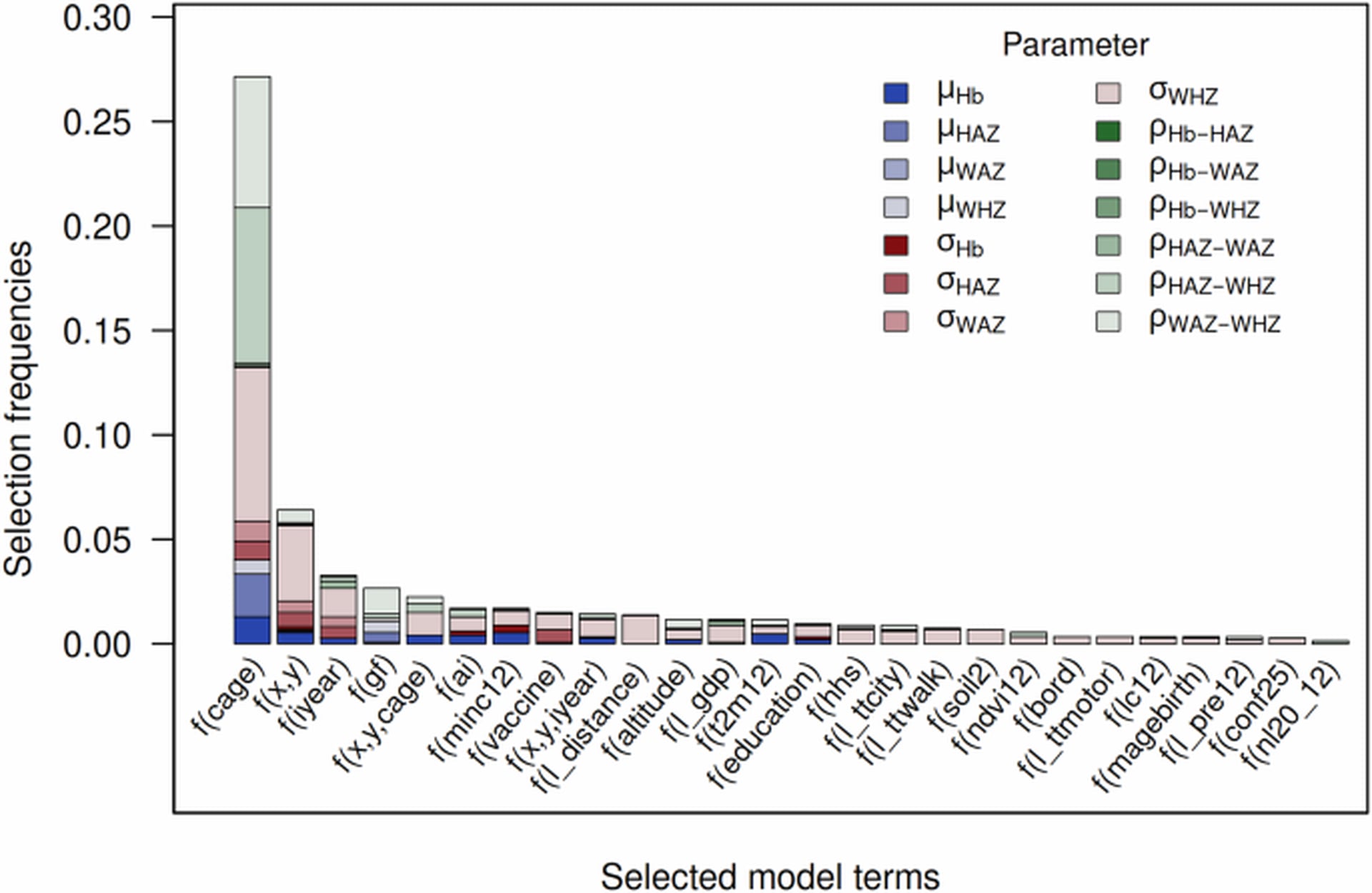
A groundbreaking study published in the esteemed journal Nature has cast a stark new light on the intricate and devastating challenge of childhood malnutrition across sub-Saharan Africa. Moving beyond the traditional focus on individual nutritional deficiencies, this seminal research meticulously examines the co-occurrence patterns of various malnutrition indicators among children, revealing a more complex and pervasive health crisis than previously understood. The findings, which underscore the urgent need for a paradigm shift in global health interventions, highlight how millions of children are simultaneously grappling with multiple forms of malnutrition, significantly compounding their health risks and long-term developmental prospects. This comprehensive analysis provides critical insights for policymakers and health organizations worldwide, urging a more integrated and holistic approach to tackle one of the most persistent public health challenges of our time.
For decades, global health efforts have largely categorized childhood malnutrition into distinct forms: stunting, wasting, underweight, and micronutrient deficiencies. Stunting, characterized by low height-for-age, is a chronic condition reflecting prolonged nutritional deprivation and recurrent infections, leading to irreversible cognitive and physical impairments. Wasting, or low weight-for-height, signifies acute and severe weight loss, often a consequence of recent illness or food shortages, dramatically increasing a child's risk of mortality. Underweight, a composite measure of both stunting and wasting, indicates a general state of undernutrition. Beyond these anthropometric measures, micronutrient deficiencies – a lack of essential vitamins and minerals like iron, iodine, and Vitamin A – silently undermine immune function, vision, and cognitive development. While each of these conditions individually poses a severe threat to a child's survival and future, the newly published research from Nature illuminates the alarming reality that these indicators frequently do not occur in isolation, but rather in dangerous combinations that amplify their collective harm.
Unraveling Co-occurrence Patterns
The study's profound contribution lies in its detailed mapping of these co-occurrence patterns. Researchers analyzed extensive datasets from multiple countries within sub-Saharan Africa, employing sophisticated statistical models to identify common clusters of malnutrition indicators. What emerged was a troubling picture: a significant proportion of children are not merely stunted or wasted, but are often stunted and underweight, or even stunted and wasted simultaneously – a condition known as 'concurrent stunting and wasting.' This dual burden is particularly perilous, as it indicates both chronic deprivation and acute nutritional stress, placing children at an exceptionally high risk of morbidity and mortality. Furthermore, the research revealed strong correlations between anthropometric failures and specific micronutrient deficiencies, suggesting that children suffering from stunting, for instance, are also highly likely to be deficient in critical vitamins and minerals essential for immune function and cognitive development. These complex patterns vary geographically and demographically, influenced by localized environmental factors, socio-economic disparities, and access to healthcare and nutritious food. Understanding these specific combinations is crucial, as it implies that interventions targeting only one form of malnutrition may fail to address the underlying, interconnected web of nutritional challenges faced by a child.
Drivers and Disparities
The drivers behind these pervasive and co-occurring forms of malnutrition are multifaceted and deeply entrenched within the socio-economic and environmental fabric of sub-Saharan Africa. Poverty remains a primary determinant, limiting access to adequate food, clean water, and sanitation facilities. Households struggling with food insecurity often resort to less nutritious, cheaper diets, which can lead to both calorie and micronutrient deficiencies. Poor sanitation and hygiene practices contribute to recurrent infections, such as diarrheal diseases, which deplete a child's nutritional reserves and hinder nutrient absorption, exacerbating both acute and chronic malnutrition. Limited access to quality healthcare, including antenatal care for mothers and early childhood health services, further compounds the problem. Maternal health and nutrition play a critical role; undernourished mothers are more likely to give birth to low-birth-weight babies, who are then at a higher risk of stunting and other nutritional challenges. Climate change, with its increasing frequency of droughts and floods, disrupts agricultural cycles, intensifies food insecurity, and displaces communities, creating environments ripe for the proliferation of multiple forms of malnutrition. These interconnected factors create a vicious cycle, where one form of deprivation often leads to another, trapping children in a continuous state of vulnerability.
Implications for Integrated Interventions
The findings of this pivotal Nature study unequivocally call for a fundamental re-evaluation of current global health and nutrition strategies. Traditional siloed interventions, which might focus solely on providing Vitamin A supplements or addressing acute wasting, are proving insufficient in the face of such complex co-occurrence patterns. Instead, an integrated, multi-sectoral approach is imperative. This means designing programs that simultaneously tackle food security, improve water, sanitation, and hygiene (WASH) infrastructure, enhance access to comprehensive healthcare services, and promote nutrition education from pregnancy through early childhood. For instance, a program addressing stunting should not only focus on dietary diversity but also incorporate deworming, vaccination, and access to safe drinking water to prevent infections that contribute to chronic malnutrition. Similarly, interventions for acute wasting must be coupled with efforts to improve long-term food security and resilience against future shocks. Empowering women through education and economic opportunities also emerges as a critical pathway, as it directly impacts household nutrition and child care practices. The study emphasizes that effective solutions must be context-specific, tailored to the unique patterns and drivers of malnutrition prevalent in different regions and communities within sub-Saharan Africa, moving away from one-size-fits-all approaches.
A Call for Coordinated Global Action
The implications of this research extend far beyond the immediate health outcomes of children; they touch upon the very fabric of sustainable development in sub-Saharan Africa. Children who suffer from multiple forms of malnutrition are less likely to perform well in school, have reduced productivity in adulthood, and are more susceptible to chronic diseases later in life, perpetuating cycles of poverty and inequality. Addressing these complex nutritional challenges is not merely a humanitarian imperative but a strategic investment in human capital and economic growth. As the global community strives to achieve the Sustainable Development Goals, particularly those related to zero hunger, good health and well-being, and quality education, the insights from this study provide a clear roadmap. It is a resounding call for sustained political will, increased financial investment, and enhanced collaboration among governments, international organizations, civil society, and local communities. Only through such concerted and integrated efforts can the world hope to break the vicious cycle of co-occurring malnutrition and ensure that every child in sub-Saharan Africa has the opportunity to reach their full potential, free from the debilitating burden of nutritional deficiencies.
Support Nivaran Foundation's vital work in global health initiatives, ensuring every child has the chance to thrive free from malnutrition.
Talk to Nivaran Global