The global health landscape is frequently dominated by discussions of widespread infectious diseases or major non-communicable illnesses. Yet, a vast array of rare and chronic conditions silently exert a profound toll on individuals and their families, often escaping widespread public attention. Pemphigus, a group of rare autoimmune blistering diseases affecting the skin and mucous membranes, stands as a stark example. While the physical and psychological suffering of patients is well-documented, a recent cross-sectional survey, titled "Family burden of disease in pemphigus," casts a critical spotlight on the extensive and often overlooked burden borne by their families worldwide, urging a more holistic approach to patient care and support systems.
Pemphigus is characterized by the immune system mistakenly attacking healthy cells in the skin and mucous membranes, leading to painful blisters and sores. These lesions can appear anywhere on the body, including the mouth, throat, eyes, and genitals, making eating, speaking, and even basic movements incredibly challenging. The chronic nature of the disease means patients often face a lifelong battle with relapses, remissions, and the constant threat of complications, including infections. Treatment typically involves long-term immunosuppressive therapies, which, while effective in controlling the disease, can come with their own set of side effects and require careful monitoring. The journey with pemphigus is not just a medical one; it is a deeply personal and often isolating experience that fundamentally alters the patient's quality of life, their social interactions, and their sense of self.
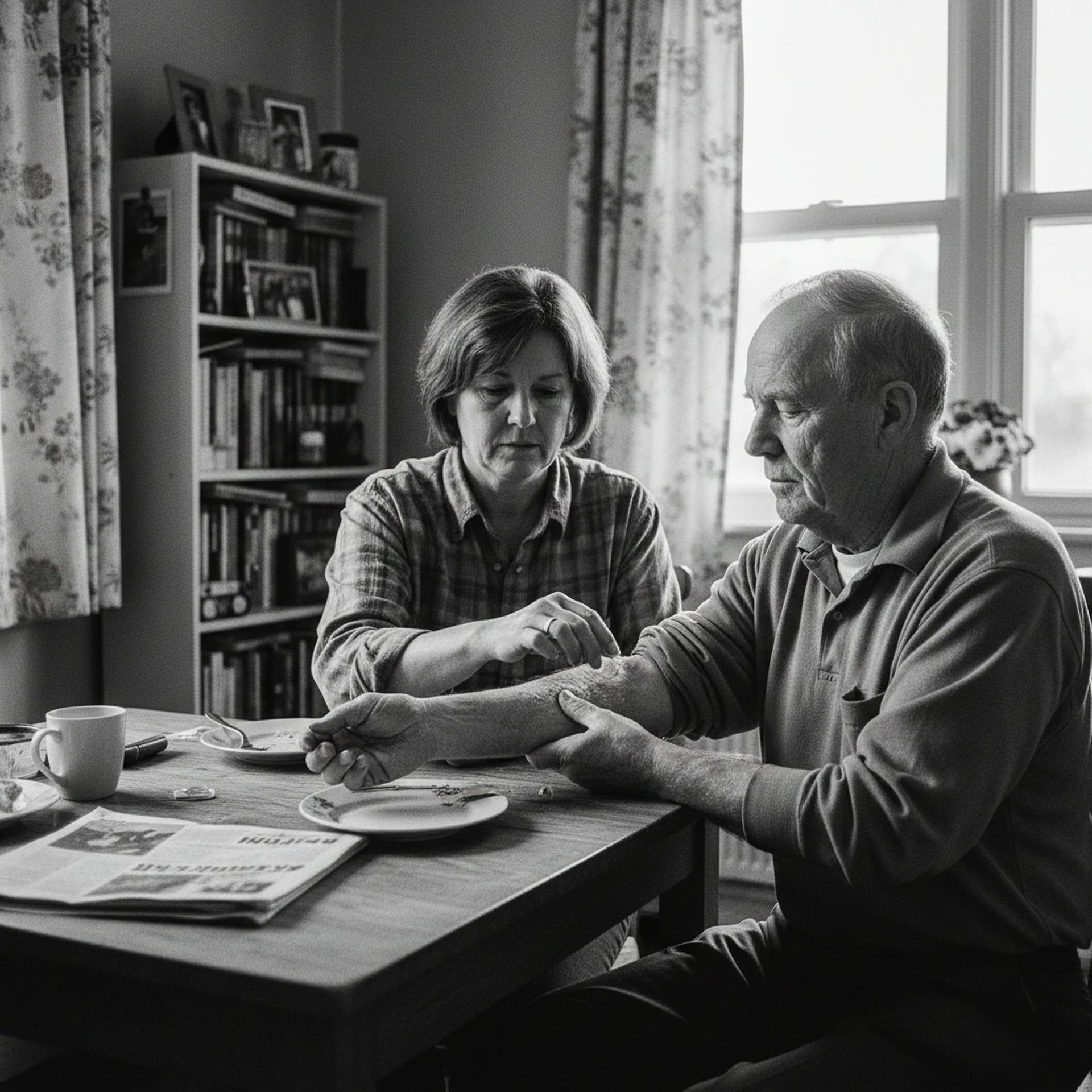
However, the ripple effect of this debilitating condition extends far beyond the individual patient. Families, as the primary caregivers and support networks, often find themselves navigating a complex web of challenges that touch every aspect of their lives. The burden is multifaceted, encompassing significant financial strain, profound emotional and psychological distress, and substantial social and lifestyle disruptions. Understanding these dimensions is crucial for developing effective interventions that truly support the entire family unit, fostering resilience and improving overall well-being.
One of the most immediate and pervasive challenges for families dealing with pemphigus is the overwhelming financial strain. The costs associated with managing a chronic autoimmune disease are substantial and relentless. These include direct medical expenses such as frequent doctor visits, specialist consultations, diagnostic tests, hospitalizations during flare-ups, and, most significantly, the often-exorbitant cost of long-term medications. Many of these treatments, particularly newer biological therapies, are incredibly expensive and may not be fully covered by insurance, especially in healthcare systems with limited public funding or high out-of-pocket requirements. Beyond direct medical costs, families often incur indirect expenses like travel to distant specialized medical centers, accommodation during extended hospital stays, and the purchase of specialized wound care supplies or adaptive equipment. Compounding this, the disease can lead to a significant loss of income. Patients may be unable to work due to their condition, and family members, particularly primary caregivers, might have to reduce their working hours or leave their jobs entirely to provide constant care. This double blow of increased expenditure and decreased income can quickly deplete family savings, push households into debt, and, in many parts of the world, plunge families into poverty, creating a vicious cycle of illness and economic hardship.
The emotional and psychological toll on family members is equally profound, though often less visible than the financial burden. Caregivers frequently experience chronic stress, anxiety, and depression as they grapple with the demands of caregiving, the uncertainty of the disease course, and the emotional pain of watching a loved one suffer. The constant vigilance required to manage symptoms, administer medications, and prevent complications can lead to severe caregiver burnout. Family members may also experience feelings of helplessness, guilt, anger, or grief as they witness the physical decline and emotional distress of the patient. The fear of relapses, the potential for disfigurement, and the long-term prognosis can create an environment of perpetual worry. Children in affected families may struggle with emotional and behavioral issues, feeling neglected or overwhelmed by the changes in family dynamics. The psychological impact can be isolating, as friends and extended family may not fully comprehend the daily struggles, leading to a sense of loneliness and a lack of adequate emotional support for caregivers.
Beyond the financial and emotional aspects, pemphigus significantly disrupts the social fabric and lifestyle of affected families. Daily routines are often dictated by the patient's needs, treatment schedules, and the severity of their symptoms. Social activities, family outings, and holidays may become difficult or impossible, leading to social isolation for both the patient and their caregivers. The visible nature of skin lesions can also lead to social stigma and discrimination, causing patients and their families to withdraw from public life to avoid stares or insensitive comments. This isolation can exacerbate feelings of loneliness and depression. For caregivers, personal time, hobbies, and social connections often take a backseat to caregiving responsibilities, leading to a loss of personal identity and a diminished quality of life. The educational pursuits of younger family members might also be affected if they are required to take on caregiving roles or if the family's financial situation prevents them from continuing their studies.
The global context further complicates the family burden of pemphigus. In high-income countries with robust healthcare systems, families may have better access to specialized medical care, psychological support services, and financial aid programs. However, even in these settings, navigating the healthcare bureaucracy and securing adequate coverage can be a formidable challenge. In contrast, families in low- and middle-income countries often face an amplified burden. Limited access to dermatologists and immunologists, scarcity of essential medications, lack of diagnostic facilities, and non-existent social safety nets mean that families are largely left to cope on their own. The cost of treatment can be catastrophic, pushing families deeper into poverty. Cultural beliefs and traditional healing practices, while sometimes offering comfort, can also delay appropriate medical intervention, leading to more severe disease and greater family distress. The disparity in resources and support systems globally means that the family burden of pemphigus is not uniformly experienced but is heavily influenced by socioeconomic and geographical factors.
The insights gleaned from studies like the "Family burden of disease in pemphigus" survey are critical for advocating for more comprehensive and compassionate care models. These models must extend beyond the patient to encompass the entire family unit. This includes establishing accessible and affordable healthcare services, ensuring the availability of essential medications, and providing robust psychological counseling and support groups for both patients and caregivers. Educational programs can empower families with knowledge about the disease, its management, and available resources, reducing feelings of helplessness and improving coping mechanisms. Financial assistance programs, social welfare benefits, and policies that protect caregivers' employment rights are also vital to alleviate the economic strain.
Ultimately, addressing the global family burden of pemphigus requires a concerted, multi-sectoral effort. Healthcare providers need to be trained to recognize and address the needs of caregivers, not just patients. Policymakers must prioritize rare diseases in public health agendas, allocating sufficient funding for research, treatment, and support services. Advocacy organizations, like the Nivaran Foundation, play a crucial role in raising awareness, destigmatizing the condition, and campaigning for equitable access to care worldwide. By acknowledging and actively working to mitigate the profound impact of pemphigus on families, the global community can move towards a more inclusive and supportive healthcare paradigm, ensuring that no family faces the challenges of chronic illness in isolation.
Your support empowers Nivaran Foundation to advocate for better global health outcomes and family support in chronic disease management.
Talk to Nivaran Global