
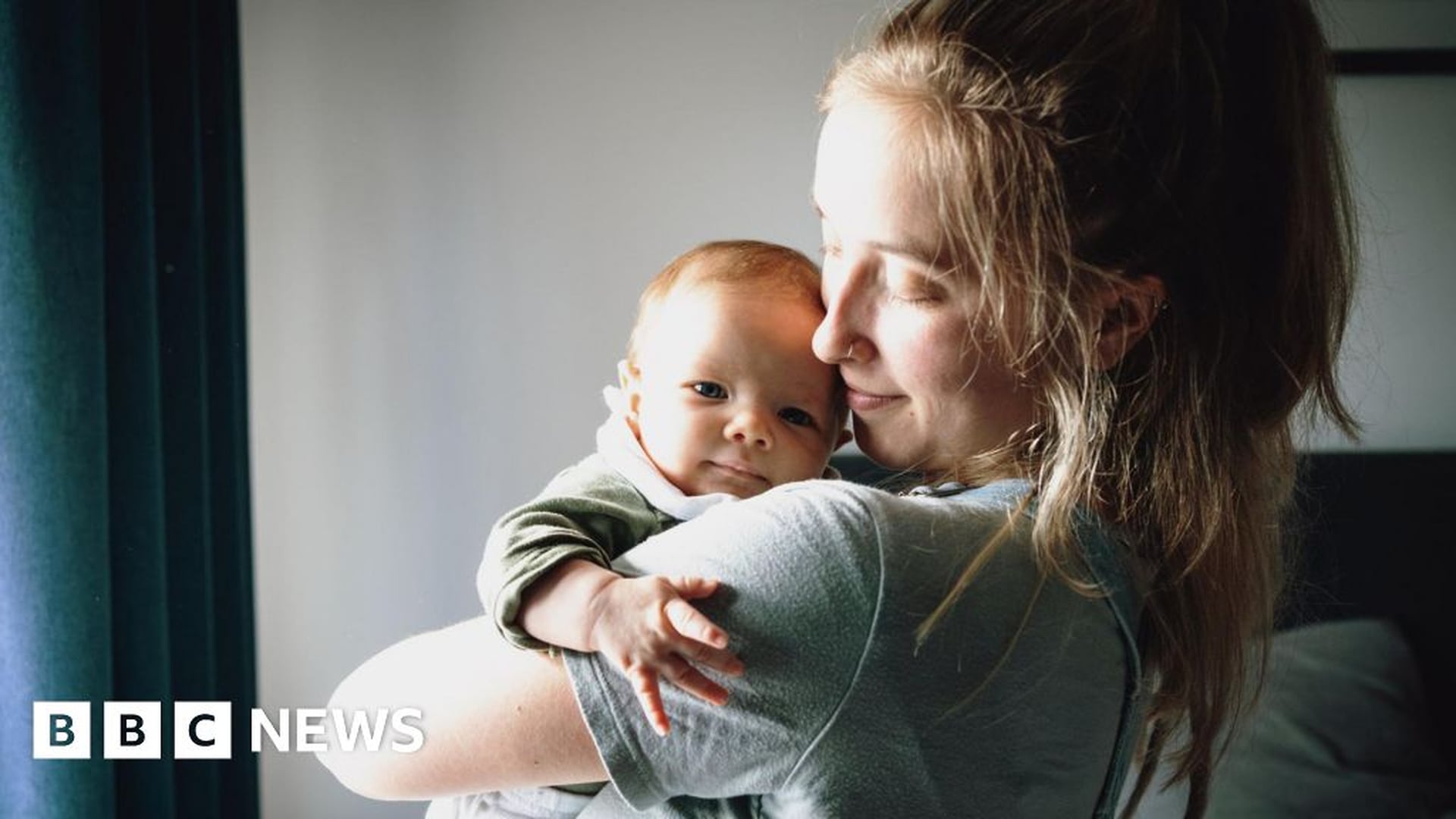
The global health community is hailing a significant breakthrough in infant care, with a recent study confirming that a maternal vaccine can reduce hospital admissions for Respiratory Syncytial Virus (RSV) in babies by an impressive 80%. This development offers a powerful new tool in the fight against a pervasive and often life-threatening respiratory infection that burdens healthcare systems and causes immense suffering among the youngest populations worldwide. The findings underscore the vaccine's potential to provide excellent protection against severe chest infections, promising a transformative impact on global child health outcomes.
RSV is a highly contagious virus that causes infections of the lungs and respiratory tract. While it often presents with mild, cold-like symptoms in adults and older children, it can be particularly dangerous for infants, especially those under six months of age, premature babies, or those with underlying heart or lung conditions. For these vulnerable groups, RSV can lead to severe bronchiolitis (inflammation of the small airways in the lungs) and pneumonia, requiring hospitalization and, in critical cases, intensive care support. Globally, RSV is a leading cause of infant hospitalization and a significant contributor to child mortality, particularly in low- and middle-income countries where access to advanced medical care is often limited. The sheer volume of cases places immense strain on pediatric wards, especially during seasonal outbreaks, diverting resources and exacerbating existing health disparities.
The newly confirmed maternal vaccine operates on a principle of passive immunity, a well-established and highly effective strategy for protecting newborns from various infectious diseases. When an expectant mother receives the vaccine, her immune system produces antibodies specifically designed to target the RSV virus. These protective antibodies are then transferred across the placenta to her developing fetus during the final stages of pregnancy. This transfer ensures that the baby is born with a robust level of pre-existing immunity, ready to defend against RSV infection from the moment of birth. This approach is particularly critical because infants are too young to receive most routine vaccinations themselves and their immune systems are still developing, making them uniquely vulnerable to pathogens like RSV. The transferred maternal antibodies provide a crucial window of protection during the first few months of life, precisely when infants are at the highest risk for severe RSV disease.
The landmark study, whose findings are now being celebrated, involved a comprehensive evaluation of the vaccine's efficacy and safety across diverse populations. Researchers meticulously tracked thousands of mother-infant pairs, comparing the incidence of RSV-related hospitalizations in babies born to vaccinated mothers versus those who received a placebo. The 80% reduction in hospital admissions for severe RSV disease is a statistically significant and clinically meaningful outcome. This level of protection translates directly into fewer critically ill infants, reduced demand on intensive care units, and ultimately, saved lives. The study's robust methodology and large cohort size lend significant credibility to its conclusions, paving the way for potential widespread adoption and integration into global immunization programs. The implications extend beyond just preventing severe illness; by reducing hospitalizations, the vaccine also lessens the emotional and financial burden on families and healthcare systems alike.
The global burden of RSV is staggering. Each year, an estimated 33 million cases of acute lower respiratory tract infections due to RSV occur in children under five years old worldwide, leading to over 3 million hospitalizations and tens of thousands of deaths. The vast majority of these severe cases and fatalities occur in developing nations, where factors such as malnutrition, indoor air pollution, and limited access to oxygen therapy or mechanical ventilation exacerbate the disease's severity. The economic impact is also substantial, with healthcare costs, lost parental productivity, and long-term health complications contributing to a significant societal burden. Prior to this vaccine, prevention options for RSV were extremely limited. A monoclonal antibody injection, palivizumab, exists but is typically reserved for very high-risk infants (e.g., extremely premature babies or those with severe heart disease) due to its high cost and the need for monthly injections throughout the RSV season. For the general infant population, supportive care – including oxygen, fluids, and respiratory support – has been the primary treatment, highlighting a critical unmet need for effective preventive measures.
The advent of a highly effective maternal RSV vaccine represents a paradigm shift in global public health. Its widespread implementation has the potential to dramatically alter the landscape of infant health, particularly in regions where RSV poses the greatest threat. By significantly reducing the incidence of severe disease requiring hospitalization, the vaccine can alleviate the immense pressure on pediatric healthcare facilities, freeing up beds and resources for other critical health needs. This is especially vital in countries with fragile health infrastructures, where even a modest reduction in hospitalizations can have a profound ripple effect across the entire health system. Furthermore, by preventing severe illness, the vaccine can contribute directly to achieving global child survival targets and reducing health inequities. It offers a proactive solution, moving beyond reactive treatment to proactive prevention, empowering mothers to protect their babies from birth.
However, the journey from scientific breakthrough to widespread global impact involves navigating several practical challenges. Ensuring equitable access to the vaccine will be paramount. This includes addressing issues of affordability, particularly for low-income countries, and establishing robust supply chains capable of delivering the vaccine to remote and underserved populations. Public education campaigns will also be crucial to build trust and encourage uptake among expectant mothers, addressing any potential misinformation or hesitancy. Integrating the RSV vaccine into existing maternal immunization programs will be key to efficient rollout, leveraging established infrastructure for antenatal care and vaccination delivery. Regulatory approvals in various countries will also need to be secured, a process that can be lengthy but is essential for ensuring safety and efficacy standards are met globally.
Looking ahead, this successful maternal RSV vaccine trial is likely to spur further research and development in the field of maternal immunization. The success of this approach could pave the way for similar strategies against other infectious diseases that pose a threat to newborns. Ongoing surveillance will be critical to monitor the vaccine's long-term effectiveness, track any emerging viral strains, and assess its real-world impact across diverse epidemiological settings. The global health community will be closely watching as regulatory bodies consider approval and as countries begin to plan for its integration into their immunization schedules. This breakthrough is not merely a scientific achievement; it is a beacon of hope for millions of families worldwide, promising a future where more infants can thrive, free from the severe threat of Respiratory Syncytial Virus.
This vaccine represents a monumental step forward in protecting the most vulnerable among us. Its ability to provide substantial protection against a common and dangerous pathogen underscores the power of preventative medicine and collaborative global health efforts. As the world moves towards a future where every child has the chance to grow up healthy, the maternal RSV vaccine stands as a testament to human ingenuity and dedication to improving lives on a global scale.
Support Nivaran Foundation's efforts to bring life-saving health information and solutions to communities worldwide.
Talk to Nivaran Global