
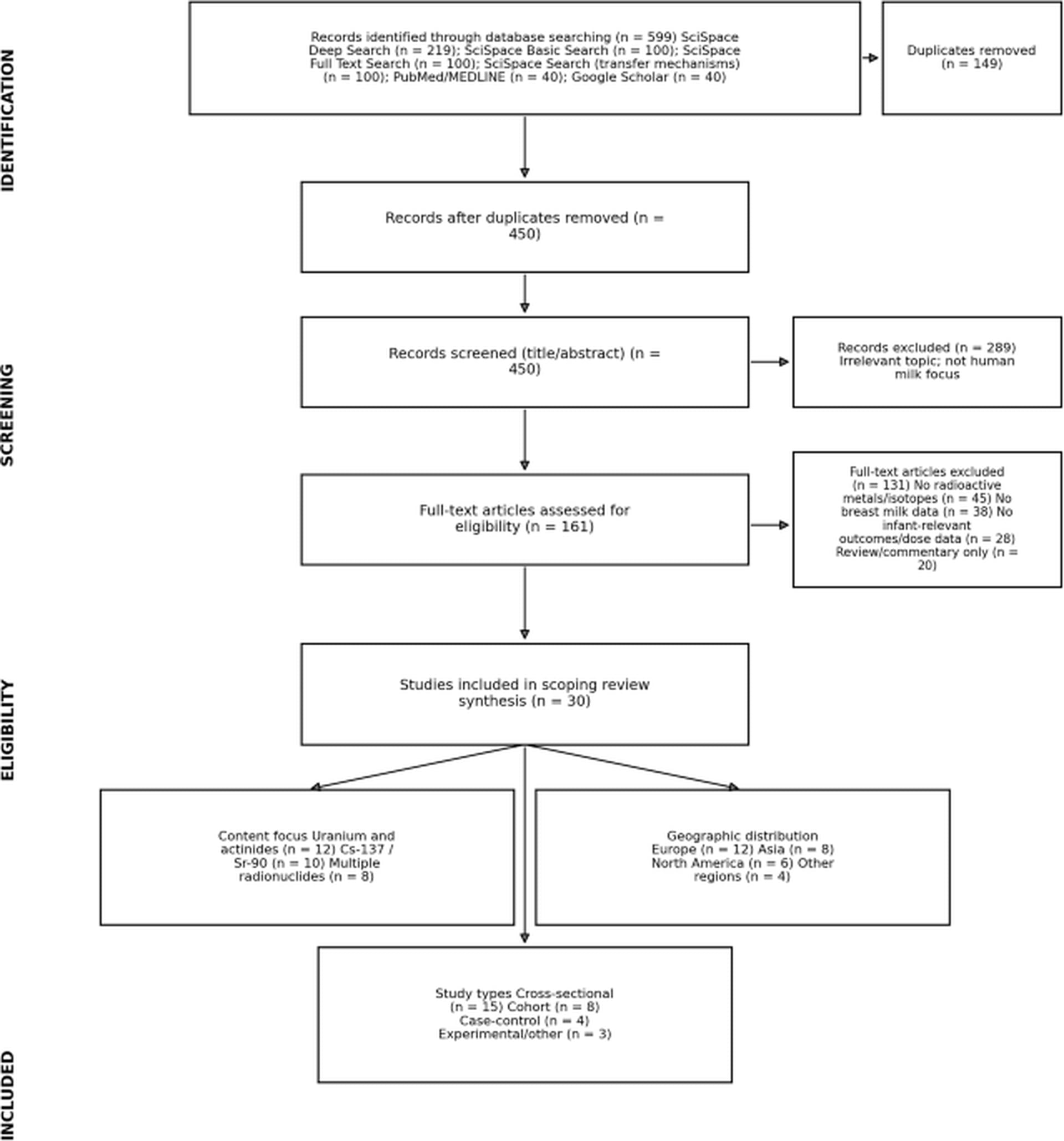
Breast milk is universally recognized as the optimal source of nutrition and immunological protection for infants, providing a foundation for healthy growth and development. Its complex composition delivers essential nutrients, antibodies, and bioactive factors crucial for a child's early life. However, emerging global health concerns are casting a shadow over this vital resource. A recent comprehensive scoping review has brought to light the alarming presence of uranium and other radioactive heavy metals in breast milk, signaling a potential environmental health crisis with profound implications for the most vulnerable members of our global community: infants.
This critical review underscores a pressing need for a deeper understanding of how these hazardous substances enter the maternal system, transfer into breast milk, and ultimately affect early life health. The findings challenge the perception of breast milk as an entirely pristine medium, urging scientists, policymakers, and public health officials worldwide to address environmental contamination as a direct threat to infant well-being. The global nature of this issue means that no region is entirely immune, necessitating a concerted international effort to investigate, mitigate, and protect future generations from these insidious contaminants.
The presence of radioactive heavy metals in the environment is a multifaceted problem, stemming from both natural geological processes and a range of anthropogenic activities. Uranium, a naturally occurring radioactive element, can be found in soil, rock, and water, particularly in areas with specific geological formations. However, human activities significantly amplify its environmental dispersion and that of other radioactive heavy metals. Industrial processes such as mining, particularly for uranium and other rare earth elements, are major contributors, releasing these substances into air, water, and soil. The burning of fossil fuels, the operation of nuclear power plants, and the improper disposal of industrial and nuclear waste also play substantial roles in increasing environmental concentrations. Military activities, including the use of depleted uranium in weaponry, further exacerbate the problem in conflict zones and surrounding areas.
Once released into the environment, these heavy metals can enter the human food chain through contaminated water sources, agricultural produce grown in affected soils, and even airborne particles. Ingestion and inhalation are the primary routes of exposure for the general population. For pregnant and lactating individuals, these environmental exposures translate into a potential risk of systemic absorption. The human body, particularly during periods of physiological change like pregnancy and lactation, can accumulate these metals in various tissues. From the mother's bloodstream, these contaminants can then be transferred to the mammary glands and subsequently secreted into breast milk, creating a direct pathway of exposure for the nursing infant.
The unique vulnerability of infants to toxic substances cannot be overstated. Their rapidly developing organs, immature detoxification systems, and higher metabolic rates relative to body weight make them exceptionally susceptible to the adverse effects of radioactive heavy metals. Exposure during critical windows of development can disrupt fundamental biological processes, leading to a cascade of health issues. Neurological development is particularly at risk, with potential impacts on cognitive function, learning abilities, and behavior. Organ systems such as the kidneys, liver, and bones, which are crucial for growth and metabolism, can suffer damage, impairing their long-term function. Furthermore, exposure to radioactive elements carries an inherent risk of DNA damage, potentially increasing the likelihood of childhood cancers and other chronic diseases later in life. The immune system, still maturing in infancy, can also be compromised, making children more vulnerable to infections and inflammatory conditions.
The global scope of this challenge is significant, yet current data on the prevalence and impact of these contaminants in breast milk remains fragmented and insufficient. Exposure to radioactive heavy metals is not uniformly distributed; communities living near mining sites, industrial zones, or areas affected by nuclear incidents often face disproportionately higher risks. Socioeconomic disparities can further exacerbate this issue, as vulnerable populations may lack access to clean water, nutritious food, or adequate healthcare, compounding the health impacts of environmental pollution. The absence of standardized global monitoring programs and consistent methodologies for detecting and quantifying these metals in breast milk presents a major hurdle to understanding the true extent of the problem. This data gap makes it difficult to establish clear exposure limits for infants and to develop effective public health interventions, highlighting a critical area for urgent international research and collaboration.
Addressing this complex issue demands a multi-pronged approach encompassing robust environmental monitoring, stringent regulatory frameworks, and comprehensive public health strategies. Governments and international bodies must invest in advanced monitoring technologies to track the presence of radioactive heavy metals in water, soil, air, and food supplies, particularly in regions identified as high-risk. Stricter environmental regulations are essential to control industrial emissions, manage waste disposal, and ensure responsible mining practices, thereby preventing further contamination. Public awareness campaigns are also crucial to educate expectant and new mothers about potential environmental risks and empower them with knowledge to make informed decisions about their health and their infants'.
It is imperative to emphasize that the discovery of contaminants in breast milk should not undermine the fundamental benefits of breastfeeding. Breast milk remains the gold standard for infant nutrition, offering unparalleled advantages for growth, immunity, and maternal-child bonding. The challenge lies not in discouraging breastfeeding, but in mitigating the environmental risks that threaten its purity. Research into effective strategies for reducing maternal exposure, understanding the variability of transfer rates, and exploring potential interventions to minimize infant uptake of these contaminants is vital. This includes investigating dietary recommendations, water purification methods, and other preventive measures that can safeguard maternal and infant health without compromising the invaluable practice of breastfeeding.
In conclusion, the global review highlighting the presence of uranium and other radioactive heavy metals in breast milk serves as a stark reminder of the interconnectedness of environmental health and human well-being. It calls for an urgent, coordinated global response from scientific communities, public health organizations, and policymakers. Protecting the health of infants, our most precious and vulnerable population, requires a commitment to cleaner environments, rigorous research, and proactive public health policies. By addressing the root causes of environmental contamination and investing in solutions that safeguard maternal and infant health, we can ensure that breast milk continues to provide a pure and life-sustaining start for every child, securing a healthier future for generations to come.
Support Nivaran Foundation's global health initiatives to research and advocate for safer environments for mothers and infants worldwide.
Talk to Nivaran Global