
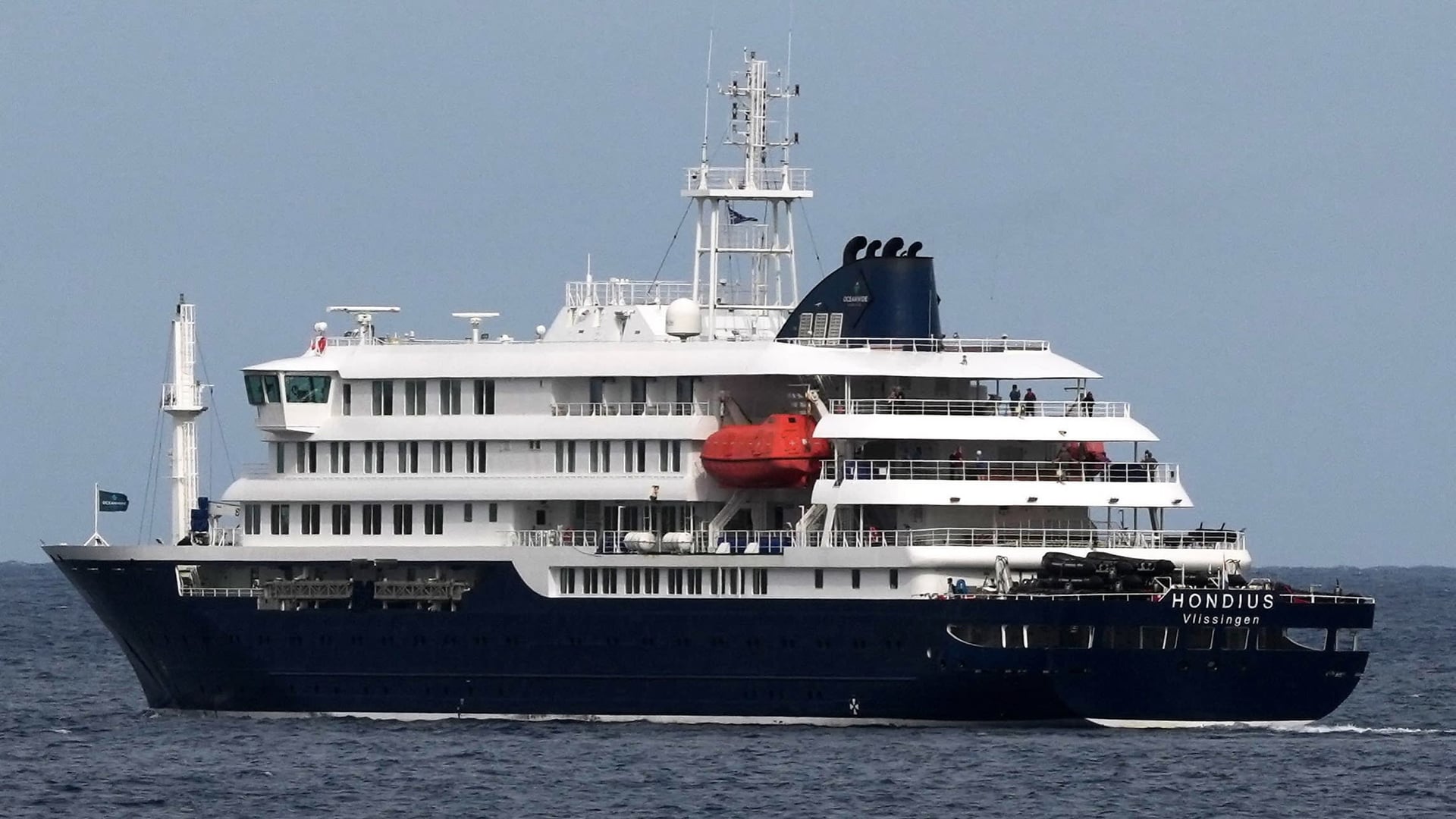
The tranquil waters surrounding the world's most remote inhabited island, Tristan da Cunha, have recently become the unexpected backdrop for a critical global health incident. A British national, reportedly suffering from a severe hantavirus infection contracted during a cruise ship voyage, is currently receiving urgent medical attention on this tiny, isolated territory in the South Atlantic. This unfolding situation not only underscores the inherent risks of international travel but also casts a stark light on the profound challenges faced by remote communities when confronted with complex medical emergencies, highlighting the intricate web of global health security.
The incident began to unfold when a passenger on an international cruise liner developed severe symptoms consistent with hantavirus infection. While details surrounding the specific cruise ship and the exact timeline of the outbreak remain under close scrutiny by international health authorities, the gravity of the situation became apparent when the decision was made to disembark the critically ill British national at Tristan da Cunha. This choice, likely dictated by the ship's proximity to the island and the urgent need for land-based medical care, thrust the small, self-sufficient community of fewer than 300 residents into an unprecedented medical crisis. The island's limited healthcare infrastructure, designed primarily for routine medical needs and minor emergencies, is now grappling with the complexities of a highly infectious and potentially fatal zoonotic disease.
Hantavirus, a genus of single-stranded, negative-sense RNA viruses belonging to the family Hantaviridae, is primarily transmitted to humans through contact with infected rodents or their excreta. The virus is not typically spread from person to person, which is a crucial distinction in managing potential outbreaks. However, its severity and varied manifestations make it a formidable public health threat. Globally, hantaviruses cause two main clinical syndromes: Hantavirus Pulmonary Syndrome (HPS), predominantly found in the Americas, and Hemorrhagic Fever with Renal Syndrome (HFRS), more common in Europe and Asia. Both conditions can be life-threatening, characterized by fever, muscle aches, and severe organ damage, particularly to the lungs in HPS or kidneys in HFRS. The specific strain affecting the British national has not been publicly confirmed, but the need for critical care suggests a severe presentation.
The presence of hantavirus on a cruise ship raises significant questions about the pathways of infection. While direct contact with rodents on board is a possibility, it is also conceivable that the individual was exposed to the virus at a port of call or even prior to boarding. Cruise ships, by their very nature, are transient environments that connect diverse populations and geographical regions, making them potential vectors for the rapid dissemination of infectious diseases. The confined spaces and communal living arrangements, while not directly facilitating hantavirus person-to-person transmission, necessitate rigorous public health protocols for any infectious agent to prevent widespread panic and ensure passenger safety. Health authorities are likely engaged in extensive contact tracing, environmental investigations, and enhanced surveillance among remaining passengers and crew to mitigate further risks.
The challenges posed by this incident extend far beyond the immediate medical care of the patient. Tristan da Cunha, a British Overseas Territory, epitomizes extreme isolation. Its nearest continental landmass is South Africa, over 2,800 kilometers away, and it is only accessible by sea, with irregular shipping schedules. This geographical remoteness means that specialized medical equipment, highly trained personnel, and rapid evacuation capabilities are severely constrained. For a condition requiring intensive care, such as severe hantavirus infection, the provision of advanced life support, respiratory assistance, and specialized diagnostic tests becomes an immense logistical and clinical hurdle. The island's medical team, while undoubtedly dedicated, faces an extraordinary task, highlighting the critical need for robust emergency preparedness and international support mechanisms for such vulnerable communities.
This event serves as a potent reminder of the interconnectedness of global health and the fragility of even the most robust public health systems when confronted with unexpected threats. In an era of unprecedented global travel and trade, infectious diseases can traverse continents with alarming speed, transforming local outbreaks into international concerns. The cruise industry, a cornerstone of global tourism, has a particular responsibility to maintain stringent health and safety standards. This includes comprehensive disease surveillance, rapid diagnostic capabilities, and clear protocols for managing infectious disease cases onboard, from isolation procedures to disembarkation and onward care coordination with national health authorities.
Furthermore, the incident underscores the broader implications for global health security. The emergence or re-emergence of zoonotic diseases like hantavirus, which jump from animals to humans, is a constant threat. Factors such as environmental changes, habitat disruption, and increased human-wildlife interaction contribute to this risk. Effective global health security requires not only robust surveillance systems at national borders and in travel hubs but also sustained investment in research, vaccine development, and the strengthening of healthcare infrastructures in all regions, including the most remote. International collaboration, information sharing, and coordinated response efforts are paramount to containing such threats before they escalate into wider crises.
For communities like Tristan da Cunha, the long-term implications of such an event can be significant. Beyond the immediate medical response, there is the potential for psychological impact on residents, economic disruption due to altered travel advisories, and the strain on already limited resources. This incident should prompt a re-evaluation of how international bodies and national governments support the health resilience of isolated populations, ensuring they are not left to face complex global health challenges alone. This includes ensuring access to telemedicine, rapid deployment of specialist medical teams, and reliable logistical chains for medical supplies and patient transfer.
In conclusion, the hantavirus case on Tristan da Cunha is more than an isolated medical emergency; it is a microcosm of the global health challenges facing humanity. It illuminates the critical vulnerabilities inherent in our interconnected world, from the spread of zoonotic diseases across continents to the immense pressures placed on remote healthcare systems. As the world continues to grapple with the constant threat of emerging pathogens, this incident serves as a powerful call to action for enhanced global health security, robust international cooperation, and unwavering support for all communities, no matter how distant, in their fight against disease. The lessons learned from this remote island's struggle will undoubtedly inform future strategies for safeguarding global public health.
Your support enables Nivaran Foundation to report on critical global health challenges, ensuring communities worldwide are informed and prepared.
Talk to Nivaran Global