
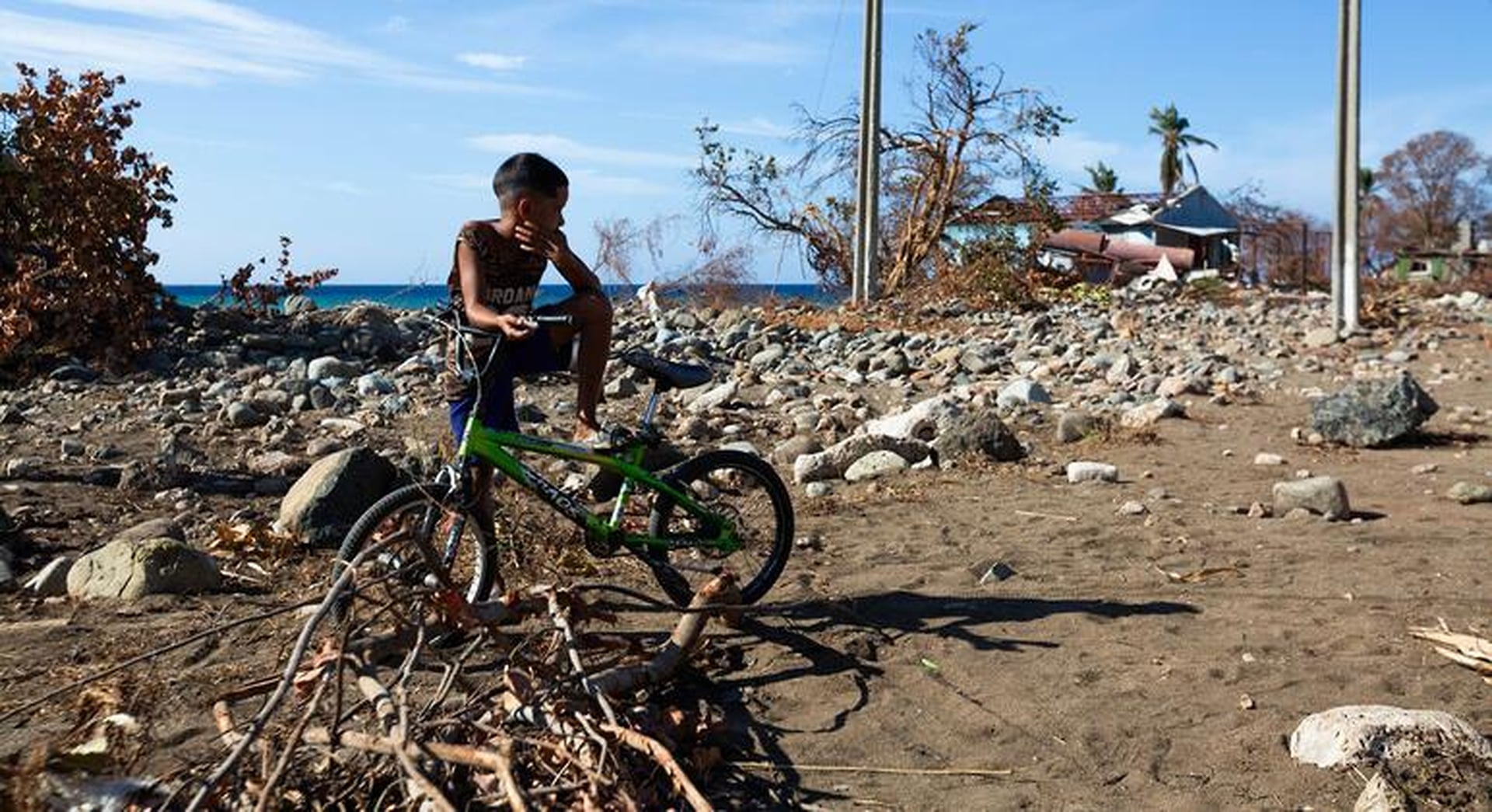
Cuba's healthcare system, long lauded for its robust public health initiatives and universal access despite economic constraints, is currently grappling with an unprecedented crisis. More than a month after Washington implemented stringent measures aimed at blocking oil supplies from entering the Caribbean nation, hospitals and clinics across the island are experiencing severe disruptions, threatening the well-being and lives of millions. This escalating situation starkly highlights the profound humanitarian consequences of geopolitical tensions, directly impacting the most vulnerable segments of society. The blockade, designed to exert economic pressure, has inadvertently created a critical bottleneck in the delivery of essential medical services, pushing a historically resilient system to its absolute breaking point.
The current predicament is not an isolated incident but rather the latest, and arguably most acute, chapter in a decades-long history of economic sanctions imposed on Cuba. While the embargo has always presented significant challenges to the island's development and its ability to procure goods, the recent tightening of restrictions on oil shipments has introduced a new, acute dimension to the crisis. These measures aim to cut off a vital energy source, impacting everything from transportation to electricity generation. For a nation heavily reliant on imported fuel, the immediate effect has been a ripple of shortages across all sectors, with healthcare emerging as one of the most critically affected. The cumulative effect of these long-standing restrictions means that Cuba's infrastructure, though robust in its design and spirit, lacks the necessary buffer to absorb such severe shocks without incurring significant humanitarian costs.
The most immediate and visible impact of the oil blockade is on energy supply. Hospitals, which require uninterrupted power for operating theaters, intensive care units, diagnostic imaging equipment, and the crucial refrigeration of vital medicines and vaccines, are now facing intermittent blackouts or relying on dwindling reserves of generator fuel. This precarious energy situation directly jeopardizes patient safety and the efficacy of medical treatments. Life-support machines, incubators for newborns, and sophisticated diagnostic tools like MRI and CT scanners become unreliable or entirely inoperable during power outages. Furthermore, sterilization processes, absolutely crucial for preventing hospital-acquired infections, are severely compromised without consistent power and hot water. The very foundation of modern medical practice – reliable infrastructure – is being eroded, forcing medical professionals to make difficult, often agonizing, choices under extreme pressure, prioritizing immediate life-saving interventions over preventative measures or less urgent care.
Beyond electricity, the scarcity of fuel has crippled transportation networks across the island. Ambulances, which are essential for emergency response, patient transfers between facilities, and reaching remote areas, are frequently grounded or operating with severe limitations due to lack of fuel. This delay in reaching critical care can mean the difference between life and death, particularly for accident victims, patients with acute cardiac events, or those requiring urgent surgical intervention. The efficient distribution of medical supplies, pharmaceuticals, and even basic foodstuffs to hospitals and clinics across the vast island is also severely hampered. Remote and rural communities, already facing inherent logistical challenges, are now even more isolated from central medical hubs, exacerbating existing disparities in access to care. The smooth functioning of a national health system depends intrinsically on fluid logistics, a luxury Cuba can no longer afford.
The financial restrictions inherent in the broader sanctions regime, coupled with the current energy crisis, have made the procurement of essential medical supplies and equipment exceedingly difficult. Cuba struggles to import everything from basic consumables like syringes, gloves, and bandages to specialized pharmaceuticals, spare parts for medical devices, and advanced surgical instruments. International suppliers are often hesitant to engage with Cuban entities due to the complexities and risks associated with U.S. sanctions, leading to inflated prices, prolonged delivery times, or outright refusal to supply, even if funds are available. This forces doctors to ration critical supplies, reuse items that should ideally be single-use, or resort to outdated methods, directly compromising the quality and safety of patient care. The lack of spare parts means that expensive, life-saving equipment often sits idle for extended periods, becoming mere monuments to a system under siege rather than functional tools.
The energy crisis also extends to fundamental public health infrastructure. Water pumping stations, vital for supplying clean water to hospitals and communities, require consistent electricity. Without reliable power, water supply can become intermittent, severely affecting hygiene standards in medical facilities and increasing the risk of waterborne diseases within the broader population. Similarly, waste management systems, crucial for preventing the spread of infection and maintaining public sanitation, are impacted by fuel shortages for collection and disposal vehicles. These seemingly secondary effects have profound implications for overall public health, potentially leading to outbreaks of preventable diseases and further straining an already overburdened healthcare system. The interconnectedness of public services means that a disruption in one area inevitably cascades into others, creating a complex and multifaceted web of challenges that are increasingly difficult to manage.
The cumulative impact of these challenges is a rapidly unfolding humanitarian crisis. Vulnerable populations – including infants, the elderly, and individuals with chronic illnesses such as diabetes, cancer, and kidney disease – are disproportionately affected. Access to regular check-ups, life-sustaining medications, and specialized treatments is becoming increasingly precarious. For patients requiring dialysis, chemotherapy, or continuous oxygen therapy, interruptions in power or supply chains can be immediately life-threatening. The long-term health consequences for the Cuban population are severe, potentially reversing decades of progress in public health indicators, including infant mortality rates and life expectancy, which have historically been among the best in the region and a source of national pride. The human cost of these sanctions is immeasurable, manifesting in increased suffering, preventable deaths, and a pervasive sense of anxiety among the populace.
The international community, including various United Nations agencies and humanitarian organizations, has repeatedly voiced profound concerns over the humanitarian impact of the U.S. embargo on Cuba. Reports from organizations on the ground consistently highlight the severe constraints faced by the Cuban health sector, emphasizing the urgent need for relief. There are growing calls for humanitarian exemptions to be fully implemented and respected, ensuring that essential goods, particularly medical supplies and fuel for critical healthcare operations, can reach the Cuban people without impediment. Many international observers argue that sanctions, while intended to achieve political objectives, should never be allowed to undermine fundamental human rights, particularly the universal right to health. The principle of proportionality and the avoidance of collective punishment are central to these appeals, urging a re-evaluation of policies that inflict widespread suffering on innocent civilians.
The healthcare crisis is inextricably linked to Cuba's broader economic struggles, which are themselves intensified by the oil blockade. The scarcity of fuel affects agricultural production, industrial output, and the daily lives of citizens, creating a feedback loop that further strains resources available for public services. As the economy falters, the government's capacity to invest in and maintain its robust public health infrastructure diminishes, creating a vicious cycle where economic hardship directly translates into health vulnerabilities. This economic pressure also leads to broader social dislocations, impacting education, employment, and overall quality of life, further compounding the challenges faced by the healthcare system. The resilience of the Cuban people and their dedicated medical professionals is being tested to its absolute limits as they navigate these multifaceted and escalating crises.
The situation in Cuba serves as a stark and sobering reminder of how geopolitical strategies, particularly those involving broad economic sanctions, can have devastating and often unintended humanitarian consequences. The ongoing oil blockade has pushed Cuba's acclaimed healthcare system to the precipice, jeopardizing the health and well-being of its entire population. As hospitals struggle to maintain even basic services, the urgent need for a resolution that prioritizes human life and dignity becomes unequivocally clear. The Nivaran Foundation stands with the global community in advocating for policies that uphold the right to health for all, urging international cooperation and compassionate action to alleviate the suffering caused by such profound disruptions to vital public services. The world watches as Cuba's medical professionals continue their valiant efforts under extraordinary duress, a testament to their dedication amidst a crisis demanding immediate global attention and a humanitarian response.
Support Nivaran Foundation's efforts to advocate for global health equity and humanitarian aid in regions affected by geopolitical tensions.
Talk to Nivaran Global