
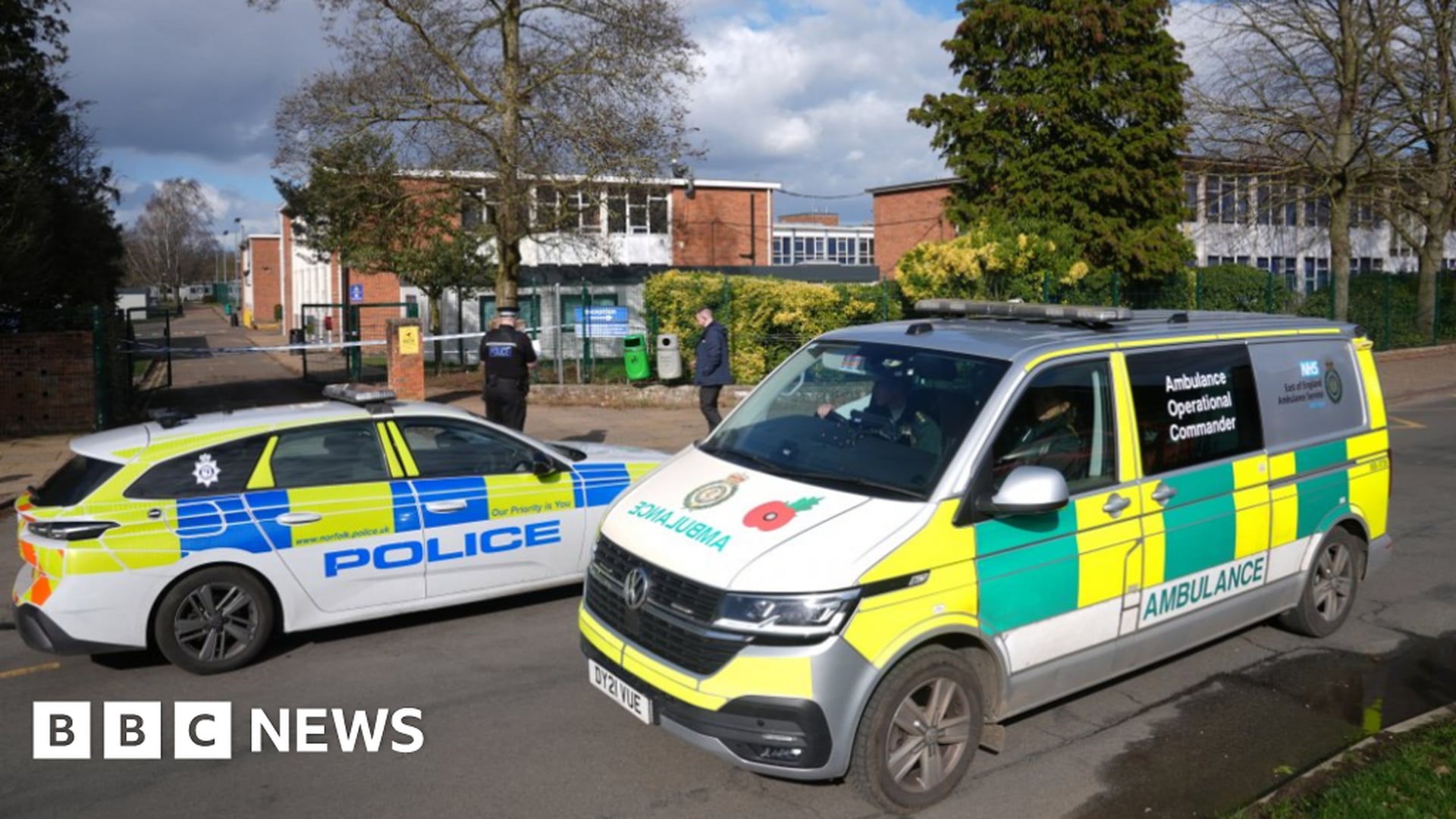
The safety of students and staff within educational institutions is a paramount global concern. While fire drills have long been a standard practice, a growing consensus among educators and safety experts suggests that schools must broaden their emergency preparedness to encompass a far wider spectrum of potential crises. This proactive approach, advocating for regular, comprehensive drills for various scenarios, mirrors the routine nature of fire safety exercises, aiming to instill confidence and ensure effective responses when unforeseen events strike. The modern educational landscape demands a robust framework that extends beyond traditional hazards, addressing everything from natural disasters and health emergencies to security threats and technological disruptions.
The notion that a school's emergency plan can be limited to basic fire evacuation is increasingly outdated. Schools globally face a diverse and evolving array of potential emergencies. Natural disasters, such as earthquakes, floods, hurricanes, and wildfires, pose significant threats in many regions, often requiring rapid evacuation or shelter-in-place protocols tailored to specific geographical risks. Public health crises, exemplified by recent global pandemics, highlight the need for comprehensive infectious disease protocols, including sanitation, remote learning capabilities, and coordinated health agency responses. Furthermore, the unfortunate reality of security threats, ranging from active intruder situations to cyberattacks compromising sensitive data, necessitates sophisticated lockdown procedures, communication systems, and mental health support. Even seemingly minor incidents, like a severe medical emergency involving a student or staff member, can escalate without trained personnel and clear protocols.
Effective emergency preparedness begins with a thorough, institution-wide risk assessment. This involves identifying potential hazards specific to the school's location, infrastructure, and community context. Once risks are identified, a comprehensive emergency plan must be developed. This plan should detail clear, actionable steps for various scenarios, including:
- Communication Protocols: Establishing reliable internal and external communication systems to alert staff, students, parents, and emergency services. This includes primary and secondary methods to ensure redundancy during system failures.
- Evacuation Procedures: Clearly marked routes, designated assembly points, and methods for accounting for all individuals. This extends beyond fire drills to include evacuations due to environmental hazards or structural damage.
- Lockdown and Shelter-in-Place: Detailed instructions for securing school premises during external threats or hazardous material incidents, including classroom-specific procedures.
- Reunification Plans: A critical, often overlooked, component detailing how students will be safely reunited with their guardians following an emergency, minimizing chaos and ensuring accountability.
- Medical Emergency Response: Protocols for addressing injuries, sudden illnesses, and mental health crises, including access to first aid, AEDs, and trained personnel.
- Continuity of Operations: Strategies for maintaining essential educational functions and administrative tasks during and after a prolonged disruption, including remote learning frameworks.
Just as a fire drill is ineffective if only conducted once, other emergency responses require consistent practice to become ingrained. Regular drills, varying in type and complexity, are crucial. These can range from tabletop exercises where staff walk through scenarios mentally, to full-scale simulations involving local emergency services. The goal is not to induce fear but to build muscle memory and confidence, ensuring that reactions are automatic and effective under stress.
- Staff Training: All school personnel, from teachers and administrators to support staff and bus drivers, must receive regular, comprehensive training. This includes first aid, CPR, mental health first aid, de-escalation techniques, and specific roles within the emergency plan. Training should be updated annually and reflect current best practices.
- Student Education: Age-appropriate education for students is equally vital. Younger children can learn simple "stop, drop, and roll" or "run, hide, fight" concepts, while older students can participate in more detailed discussions about their roles and responsibilities during an emergency. The emphasis should always be on safety and empowerment, not fear.
- Post-Drill Debriefing: Every drill, whether a simple evacuation or a complex lockdown, should be followed by a thorough debriefing. This allows staff to identify areas for improvement, refine procedures, and address any anxieties or questions. Learning from each practice run is essential for continuous improvement.
Creating a resilient school environment extends beyond plans and drills; it requires fostering a pervasive culture of preparedness. This involves:
- Community Engagement: Involving parents, guardians, and the wider community in emergency planning. Regular communication about protocols, opportunities for feedback, and community-wide drills can build trust and ensure coordinated responses.
- Collaboration with Emergency Services: Establishing strong relationships with local police, fire departments, medical services, and public health agencies. Regular joint training exercises ensure seamless integration of school and external emergency responses.
- Leveraging Technology: Utilizing modern technology for rapid communication (e.g., mass notification systems, panic buttons, secure messaging apps), surveillance, and access control can significantly enhance safety and response times.
- Mental Health Support: Recognizing that emergencies, even drills, can be stressful. Schools must have resources for psychological first aid and ongoing mental health support for students and staff in the aftermath of a real event. Integrating mental health professionals into emergency planning teams is crucial.
- Adaptability and Review: Emergency plans are not static documents. They must be regularly reviewed, updated, and adapted based on new information, changing threats, and lessons learned from drills or real-world incidents. This iterative process ensures the plan remains relevant and effective.
Implementing comprehensive emergency preparedness across diverse global educational systems presents unique challenges. Resource constraints, including funding for training, equipment, and dedicated personnel, are often significant hurdles. Schools in developing regions, in particular, may struggle to meet the same standards as those in more affluent areas. Balancing the need for realistic drills with the potential to cause anxiety or trauma, especially among younger children, requires careful consideration and sensitivity. Furthermore, cultural differences and varying societal attitudes towards safety and authority must be navigated to ensure plans are culturally appropriate and widely accepted. International organizations and educational bodies play a vital role in sharing best practices, providing guidance, and advocating for equitable access to safety resources.
The call for schools to regularly practice emergency responses, mirroring the established routine of fire drills, underscores a fundamental shift in how educational institutions approach safety. It is a recognition that safeguarding students and staff in an increasingly complex world demands more than reactive measures; it requires proactive, comprehensive, and continuously refined preparedness. By investing in robust planning, consistent training, regular drills, and fostering a culture of vigilance and collaboration, schools globally can transform from vulnerable targets into resilient havens, ensuring that when the unexpected occurs, every member of the school community is equipped to respond effectively, minimizing harm and preserving the sanctity of the learning environment. This commitment to preparedness is not merely an administrative task; it is an ethical imperative, foundational to the mission of education itself.
Support Nivaran Foundation's efforts to promote global education and safety initiatives for children worldwide.
Talk to Nivaran Global