
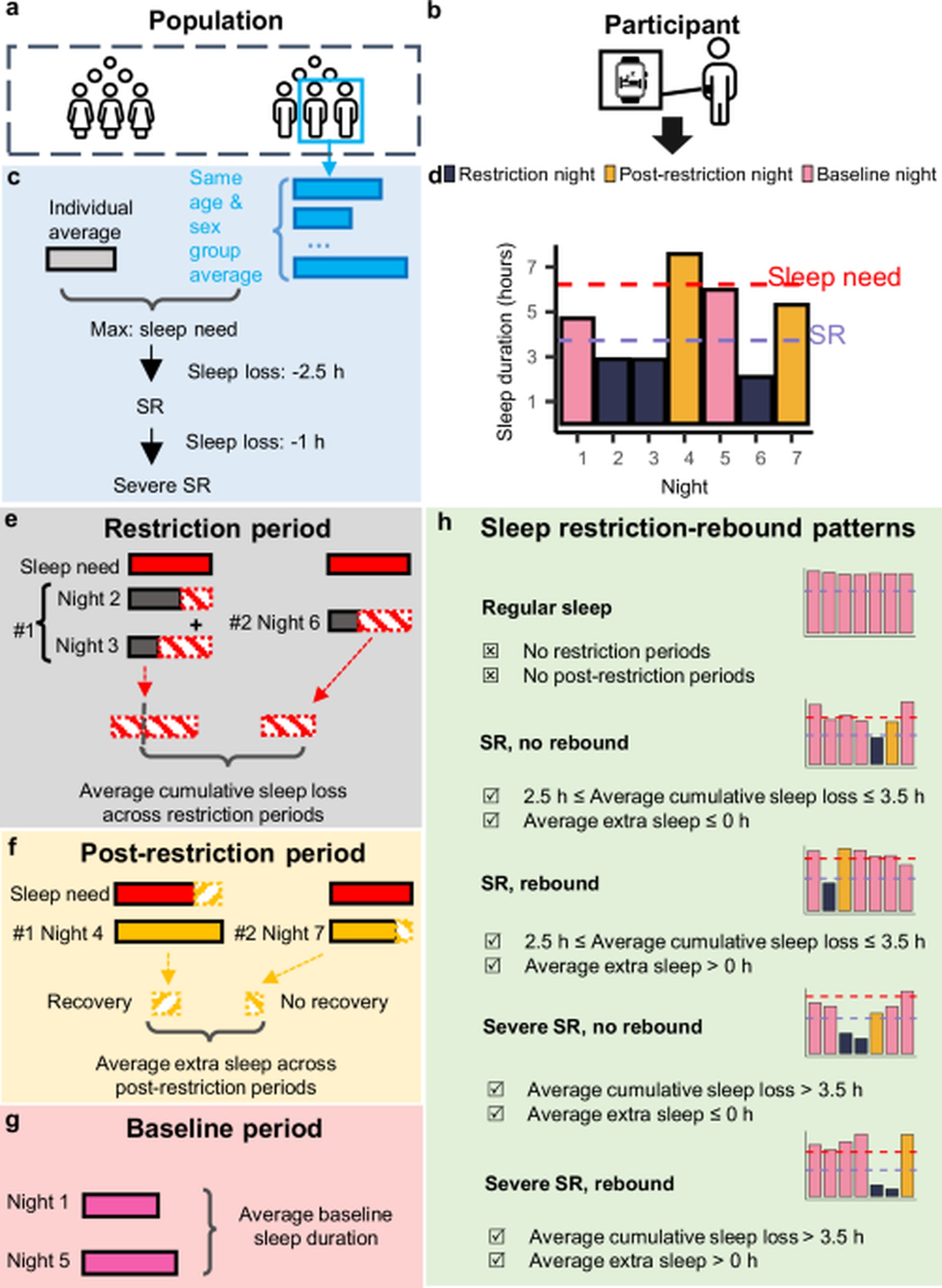
In an era where chronic sleep deprivation has become a pervasive global health concern, a groundbreaking study published in Nature Communications offers a nuanced and potentially transformative understanding of sleep's role in human longevity. The research indicates that acute sleep rebound—the act of catching up on sleep after periods of restriction—is significantly associated with a reduced risk of mortality. This finding challenges a simplistic view of sleep debt, suggesting that the body's capacity for recovery might be a crucial, often overlooked, factor in long-term health and survival.
The international research team conducted a robust, long-term observational study involving a substantial global cohort, meticulously tracking sleep patterns and health outcomes over many years. By analyzing data from thousands of participants across various demographics, scientists were able to identify a compelling association: individuals who experienced periods of sleep restriction but subsequently engaged in acute sleep rebound exhibited a lower all-cause mortality risk compared to those who consistently slept too little without recovery. The study meticulously controlled for numerous confounding factors, including lifestyle, socioeconomic status, and pre-existing health conditions, underscoring the independent protective effect of sleep recovery.
Sleep rebound, in this context, refers to the physiological response to prolonged wakefulness or insufficient sleep, characterized by an increased drive to sleep and often longer, deeper sleep periods. It represents the body's intrinsic homeostatic mechanism to restore sleep debt, a natural tendency to compensate for lost sleep by increasing the intensity and duration of subsequent sleep. This differs fundamentally from chronic sleep deprivation, where individuals consistently fail to meet their sleep needs, often without adequate opportunities for recovery, leading to an accumulating sleep debt that can have severe health repercussions.
The protective mechanisms underlying sleep rebound are thought to be multifaceted and deeply rooted in fundamental biological processes. During periods of extended sleep, the body undertakes critical restorative functions. This includes enhanced cellular repair and waste clearance, particularly within the brain, where the glymphatic system works more efficiently to remove metabolic byproducts that accumulate during wakefulness. Sleep also plays a vital role in hormonal regulation, helping to rebalance stress hormones like cortisol, and metabolic hormones such as ghrelin and leptin, which govern appetite and energy balance. Furthermore, a robust immune system, often compromised by sleep loss, receives a crucial boost during recovery sleep, strengthening the body's defenses against pathogens and inflammation.
Beyond these general restorative processes, sleep rebound appears to confer specific benefits for cardiovascular and metabolic health. Insufficient sleep is a known risk factor for hypertension, heart disease, and stroke. Catching up on sleep can help regulate blood pressure, reduce strain on the cardiovascular system, and improve endothelial function. Metabolically, adequate sleep, especially recovery sleep, is linked to enhanced insulin sensitivity and better glucose control, thereby mitigating the risk of developing type 2 diabetes. These systemic improvements collectively contribute to a lower overall burden of chronic diseases, which are major drivers of mortality worldwide.
While the primary focus of this study was on mortality risk, the broader implications for cognitive and mental well-being cannot be overstated. Restorative sleep is essential for memory consolidation, learning, and executive function. Periods of sleep rebound can significantly improve cognitive performance, enhance decision-making, and foster greater emotional resilience. By reducing stress and anxiety, and improving mood, adequate sleep recovery indirectly supports overall health and encourages healthier lifestyle choices, further contributing to longevity.
These findings represent a significant paradigm shift in our understanding of sleep health. They suggest that it's not solely the absolute amount of sleep obtained each night that dictates health outcomes, but also the body's ability to recover from occasional periods of restriction. This offers a more forgiving perspective for the millions globally whose demanding lifestyles, work schedules, or personal circumstances occasionally necessitate shorter sleep. The research underscores that while consistent, sufficient sleep remains the ideal, opportunities for acute recovery are vital and can significantly mitigate the associated health risks.
Translating these insights into practical strategies for global citizens involves a renewed emphasis on prioritizing sleep, particularly after periods of high demand. Individuals should be encouraged to recognize and respond to their body's need for recovery, making conscious efforts to extend sleep duration on weekends or during less busy phases. Cultivating a conducive sleep environment, practicing good sleep hygiene, and understanding personal sleep needs are all crucial. The message is not to deliberately restrict sleep, but to understand that when restriction is unavoidable, active recovery is a powerful protective measure.
The implications extend beyond individual actions to societal and policy considerations. Employers, for instance, could be encouraged to foster workplace cultures that recognize the importance of sleep recovery, potentially through flexible scheduling or discouraging excessive overtime. Educational campaigns globally could raise awareness about the nuances of sleep health, moving beyond simple hourly recommendations to encompass the dynamic interplay of sleep debt and recovery. Healthcare systems could integrate sleep assessment and personalized advice on recovery strategies into routine care, recognizing sleep as a fundamental pillar of preventative medicine.
Despite its profound implications, the study, like all observational research, highlights correlation rather than direct causation. Future research will be crucial to conduct interventional studies that can confirm causality and optimize strategies for sleep rebound. Questions remain regarding the optimal duration and frequency of sleep rebound, how individual differences in sleep architecture and genetic predispositions influence recovery, and the long-term effects of repeated cycles of restriction and rebound. The challenge of accurately measuring sleep in large, diverse populations also presents ongoing avenues for methodological refinement.
In conclusion, this groundbreaking research from Nature Communications serves as a powerful reminder of sleep's indispensable role in global health and longevity. It adds a vital layer of understanding, revealing that the body's inherent capacity for sleep rebound is a critical factor in mitigating the adverse effects of occasional sleep restriction. As societies worldwide grapple with the escalating burden of chronic diseases linked to insufficient sleep, these findings offer a message of hope and a more holistic framework for promoting well-being. Prioritizing sleep recovery, both individually and collectively, emerges as a dynamic and essential component of a longer, healthier life.
Support Nivaran Foundation's global health initiatives to bring vital research and health education to communities worldwide.
Talk to Nivaran Global