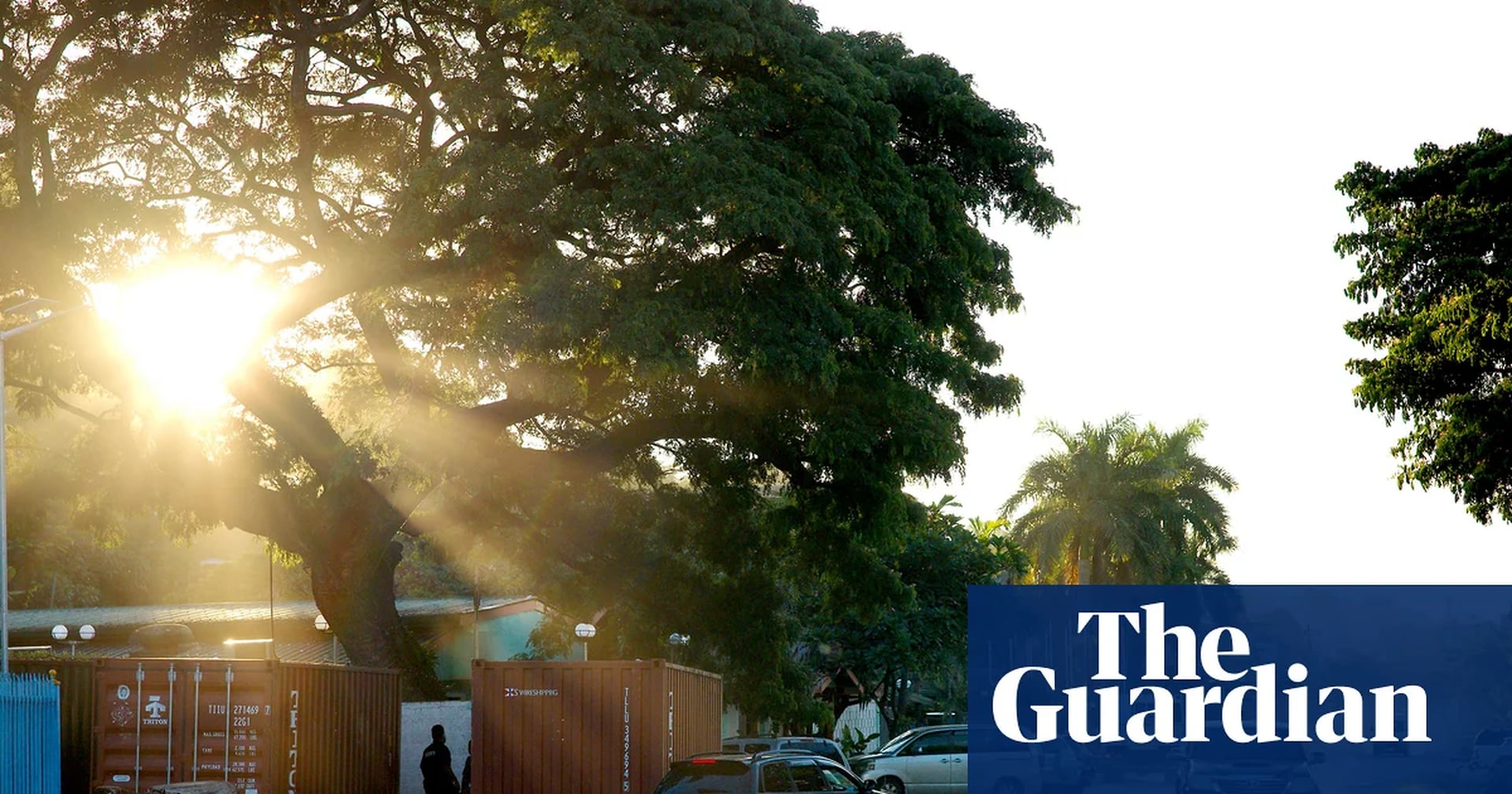
In the bustling capital of Honiara, Solomon Islands, as the final school bell echoes and the day's lessons conclude, a different kind of education is unfolding in the city's hidden corners. For many, the journey home takes an unexpected detour, leading not to family and rest, but into the clandestine world of illegal gambling. This burgeoning phenomenon, centered around a fast-paced card game known as 'Pass,' is rapidly transforming the social fabric of Honiara, drawing in individuals from all walks of life, including those entrusted with the nation's future: its educators.
One such individual is Irene, a 43-year-old teacher, who, after a day spent nurturing young minds, navigates the city's minibuses and alleyways to reach a damp, smoke-filled shelter. Inside, plastic tables are haphazardly arranged, and the floor is littered with discarded playing cards, remnants of countless games played and fortunes won or lost. Irene's participation in 'Pass' is a stark illustration of a growing trend where the allure of a significant payout overshadows the inherent risks of substantial losses. This hidden economy of chance operates outside the law, yet thrives on the hopes and desperations of a populace grappling with persistent economic challenges.
The Allure of Quick Riches Amidst Economic Strain
The Solomon Islands, a nation of breathtaking natural beauty, also contends with significant socio-economic hurdles. High unemployment rates, particularly among youth, coupled with a rising cost of living in urban centers like Honiara, create fertile ground for informal economies and illicit activities. For many, the traditional pathways to financial stability seem distant or unattainable. In this context, the promise of quick money, however fleeting or improbable, becomes an irresistible siren song. 'Pass' offers precisely this: a rapid-fire game where fortunes can shift dramatically within minutes, providing a potent, albeit dangerous, escape from daily financial anxieties.
This informal gambling sector flourishes in the shadows, largely unregulated and untaxed, making it difficult for authorities to monitor or control. The very illegality of the game adds to its mystique and perceived excitement for some, while for others, it simply represents one of the few avenues they believe might offer a chance at upward mobility. The lack of formal financial literacy programs and accessible, secure investment opportunities further exacerbates the problem, leaving many vulnerable to the seductive appeal of high-risk, high-reward ventures like 'Pass.' The communal aspect of these gatherings, despite their illicit nature, also provides a sense of belonging and shared experience, drawing individuals deeper into the fold.
The Ripple Effect on Education and Community Well-being
The involvement of individuals like Irene, a dedicated teacher, in such activities raises profound concerns for the education sector and broader community well-being. Teachers are pillars of their communities, often serving as role models and sources of stability. When educators are drawn into high-stakes gambling, it can have multifaceted negative consequences. Financially, personal losses can lead to severe debt, impacting their ability to provide for their families and potentially affecting their professional performance due to stress and distraction. The diversion of personal funds, which might otherwise contribute to household stability or children's educational needs, is a critical concern.
Beyond the individual, there is a broader erosion of trust and morale within the education system. If a teacher's financial instability becomes known, it can undermine their authority and credibility within the school and community. Furthermore, the financial strain on families due to gambling losses can directly impact children's access to education. Money intended for school fees, uniforms, books, or even daily meals can be gambled away, leading to absenteeism, poor academic performance, and, in severe cases, premature withdrawal from school. This perpetuates a cycle of poverty and limits future opportunities for the next generation, directly counteracting the Nivaran Foundation's mission to foster educational advancement.
The Hidden Costs: Mental Health and Social Instability
The impact of pervasive illegal gambling extends far beyond financial losses; it carries significant mental health and social costs. The addictive nature of gambling can trap individuals in a relentless pursuit of recouping losses, leading to a vicious cycle of increasing stakes and deepening debt. This can result in severe stress, anxiety, depression, and even suicidal ideation. The constant pressure to win, coupled with the shame and secrecy often associated with gambling addiction, isolates individuals from their support networks, exacerbating their mental health struggles.
On a societal level, the proliferation of illegal gambling can contribute to increased crime rates as individuals resort to illicit means to cover their debts or fund their habit. It can also fuel social instability, fostering an environment where quick gains are prioritized over hard work and sustainable development. Community bonds can fray as trust diminishes, and resources that could be invested in productive enterprises are instead siphoned into a shadow economy. The informal nature of these operations also means there are no consumer protections, leaving players vulnerable to exploitation and unfair practices, further compounding their losses and despair.
Challenges in Enforcement and the Path Forward
Addressing the surge of illegal gambling in Honiara presents significant challenges for law enforcement and policymakers. The clandestine nature of these operations, often moving between various hidden locations, makes detection and enforcement difficult. Furthermore, the strong social networks within communities can sometimes shield these activities from external scrutiny. There is also the complex issue of public perception; for some, these games are simply a form of entertainment or a desperate attempt to improve their circumstances, rather than a criminal enterprise.
Effective solutions require a multi-pronged approach that goes beyond mere prohibition. There is an urgent need for sustainable economic development initiatives that create genuine employment opportunities and reduce the reliance on illicit means of income generation. Financial literacy programs are crucial to equip individuals with the knowledge and skills to manage their finances responsibly and understand the risks associated with gambling. Public awareness campaigns can help destigmatize discussions around gambling addiction and encourage those affected to seek help.
Moreover, community-based support systems and mental health services are vital to assist individuals struggling with gambling addiction and their families. By fostering an environment where seeking help is encouraged and resources are available, communities can begin to heal from the pervasive impact of this hidden crisis. The Nivaran Foundation, through its global focus on health and education, recognizes that such societal challenges are deeply interconnected. Addressing the root causes of poverty, lack of opportunity, and inadequate support systems is paramount to building resilient communities where education and well-being can truly flourish, free from the destructive grip of illicit gambling.
The story of Irene and countless others in Honiara serves as a poignant reminder that beneath the surface of daily life, complex socio-economic issues are playing out with profound consequences. The rapid spread of 'Pass' is not merely a local phenomenon; it is a global echo of the vulnerabilities that arise when economic pressures meet the human desire for hope and escape. Confronting this challenge requires a comprehensive, compassionate, and collaborative effort to safeguard the future of individuals, families, and the vital institutions that underpin society, particularly the education sector, which is so crucial for long-term development.
Support Nivaran Foundation's global initiatives addressing socio-economic challenges that impact education and community resilience.
Talk to Nivaran Global