
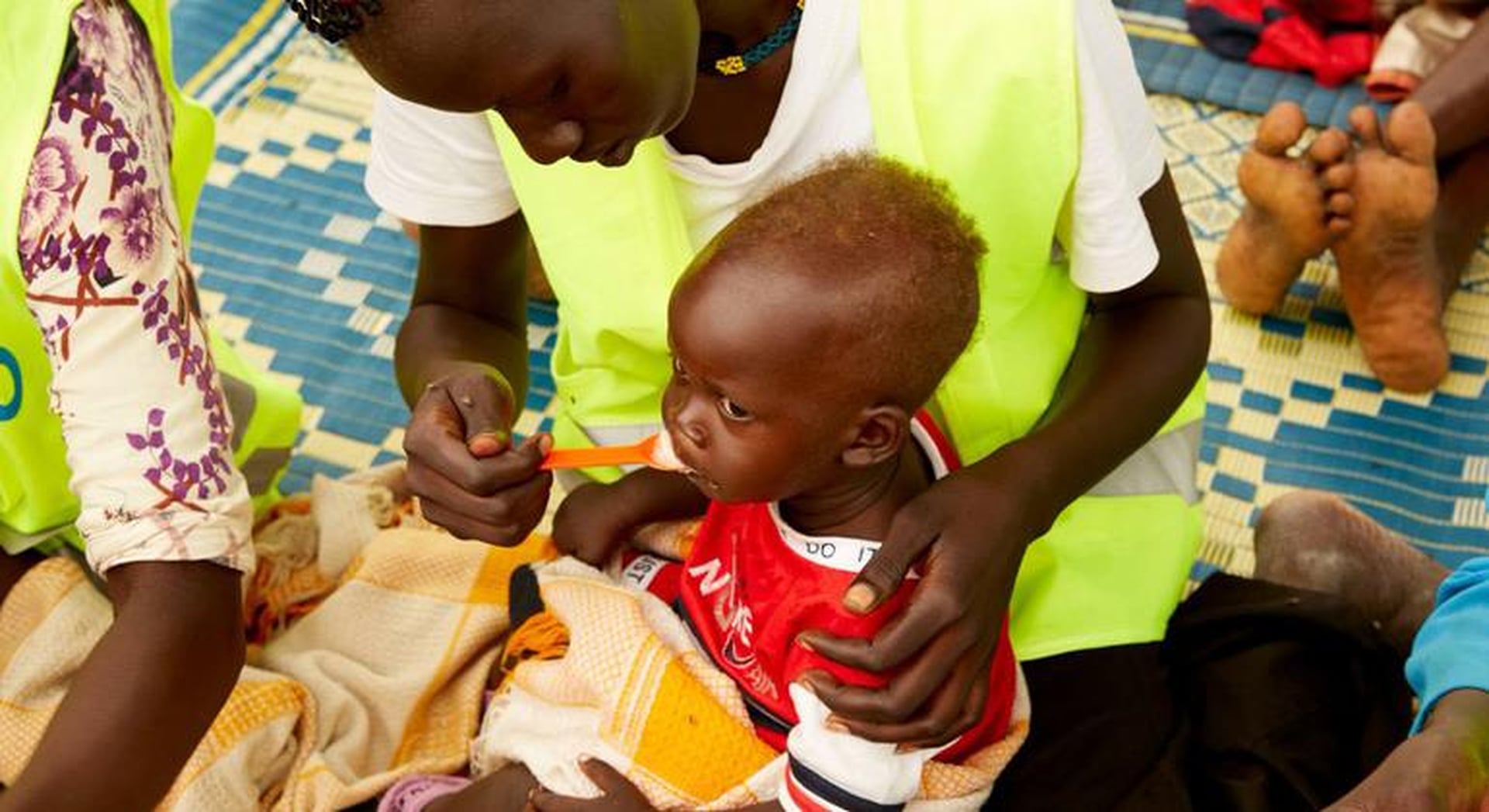
A profound humanitarian catastrophe is unfolding in South Sudan, where more than half of the nation's population is grappling with an acute hunger crisis of alarming proportions. Recent assessments by United Nations agencies paint a stark picture: 7.8 million people are currently facing high levels of acute food insecurity, a direct consequence of protracted conflict and widespread internal displacement. Compounding this dire reality, an estimated 2.2 million children are suffering from acute malnutrition, underscoring the severe and immediate threat to the country's youngest and most vulnerable generation. This escalating crisis demands urgent global attention and sustained humanitarian intervention to avert further loss of life and mitigate long-term societal damage.
The roots of South Sudan’s escalating hunger crisis are deeply embedded in years of relentless conflict and pervasive insecurity. Since its independence, the nation has been plagued by cycles of violence that have systematically dismantled its already fragile social and economic fabric. Armed clashes, inter-communal violence, and cattle raiding not only claim lives but also devastate agricultural production, the primary source of livelihood for the vast majority of South Sudanese. Farmers are unable to plant or harvest their crops due to fear of attack, leading to significant reductions in food availability. Essential infrastructure, including roads and markets, is frequently disrupted or destroyed, severing supply chains and making it impossible for food to reach remote communities, even when it is available elsewhere. This deliberate or incidental destruction of productive assets and trade routes creates artificial scarcity and drives up food prices, pushing basic staples beyond the reach of ordinary families. The pervasive insecurity also severely hampers humanitarian efforts, making it dangerous and often impossible for aid workers to access those most in need, further exacerbating the crisis.
Parallel to the direct impact of conflict is the catastrophic effect of mass displacement. Millions of South Sudanese have been forced to flee their homes, abandoning their land, livestock, and all means of sustenance. These internally displaced persons (IDPs) often find themselves in overcrowded camps or informal settlements, entirely dependent on humanitarian aid for survival. Their traditional coping mechanisms, such as subsistence farming or pastoralism, are rendered impossible. The sheer scale of displacement strains already scarce resources in host communities and places immense pressure on humanitarian agencies struggling to provide adequate food, water, shelter, and sanitation. Children, in particular, are acutely vulnerable in these circumstances, often separated from family members, exposed to violence, and deprived of education and healthcare, which are critical for their long-term development and resilience. The constant movement of populations also contributes to the spread of disease, further weakening already compromised immune systems, especially among malnourished individuals.
The most heartbreaking manifestation of this crisis is the widespread acute malnutrition affecting 2.2 million children. Acute malnutrition, often visible as severe wasting, leaves children dangerously thin and vulnerable to illness. It impairs their physical and cognitive development, leading to long-term health complications, reduced educational attainment, and diminished productivity in adulthood. For infants and young children, severe acute malnutrition can be fatal if not treated promptly. Their weakened immune systems make them highly susceptible to common childhood diseases like malaria, diarrhea, and respiratory infections, which can quickly turn deadly. Even those who survive often face irreversible damage, impacting their ability to learn, thrive, and contribute to their communities in the future. The nutritional crisis extends beyond children, affecting pregnant and lactating women, who are crucial for the health of the next generation. Malnourished mothers are more likely to give birth to underweight babies, perpetuating a vicious cycle of poor health and vulnerability.
The pervasive food insecurity also has profound implications for the broader public health landscape. Communities struggling to find food often resort to consuming unsafe water or unhygienic food sources, leading to outbreaks of waterborne diseases such as cholera. Access to healthcare services is severely limited in many conflict-affected areas, with clinics destroyed or inaccessible, and medical personnel displaced. This creates a perfect storm where malnutrition weakens the body, disease attacks it, and there are insufficient resources to provide treatment. The psychological toll on individuals and communities, witnessing constant insecurity and the struggle for survival, is also immense, leading to widespread trauma and mental health challenges that often go unaddressed.
In response to this escalating crisis, numerous humanitarian organizations, including various United Nations agencies like the World Food Programme (WFP), UNICEF, and the Food and Agriculture Organization (FAO), alongside international and local non-governmental organizations, are working tirelessly to provide life-saving assistance. Their efforts include distributing emergency food rations, providing therapeutic feeding for malnourished children, delivering clean water and sanitation services, and offering essential healthcare. However, these operations face monumental challenges. Funding gaps remain a persistent obstacle, with humanitarian appeals often falling short of the required amounts, forcing agencies to make difficult choices about who to prioritize and what services to scale back. Operational access is frequently hampered by insecurity, with aid convoys and personnel at risk of attack, and bureaucratic impediments further delaying the delivery of critical supplies to those in desperate need.
While emergency aid is crucial for immediate survival, a sustainable resolution to South Sudan's hunger crisis necessitates a multifaceted approach that extends far beyond humanitarian handouts. Paramount among these is the urgent need for lasting peace and political stability. Without an end to conflict, any gains made through aid efforts will remain fragile and temporary. Investment in agricultural resilience is also vital, empowering communities to rebuild their livelihoods, adopt climate-smart farming practices, and diversify their food sources. This includes supporting smallholder farmers with seeds, tools, and training, as well as improving irrigation systems and market access. Furthermore, strengthening basic services, particularly healthcare and education, is essential for breaking the intergenerational cycle of poverty and malnutrition. Ensuring children have access to nutritious food, clean water, and quality education will lay the groundwork for a healthier, more productive future generation capable of contributing to the nation's recovery and development. The international community must maintain its commitment to South Sudan, not just through emergency relief but through sustained diplomatic engagement and development assistance aimed at fostering long-term stability and self-sufficiency.
The crisis in South Sudan serves as a stark reminder of the devastating human cost of conflict and fragility. The suffering of millions, particularly the staggering number of malnourished children, demands an unequivocal and robust response from the global community. It is a collective responsibility to ensure that the people of South Sudan are not forgotten and that every effort is made to provide them with the fundamental right to food, health, and a life free from the constant threat of hunger. The time for decisive action is now, to transform despair into hope and lay the foundation for a more secure and prosperous future for South Sudan.
Support Nivaran Foundation's efforts to address global health and hunger crises in vulnerable regions like South Sudan.
Talk to Nivaran Global