
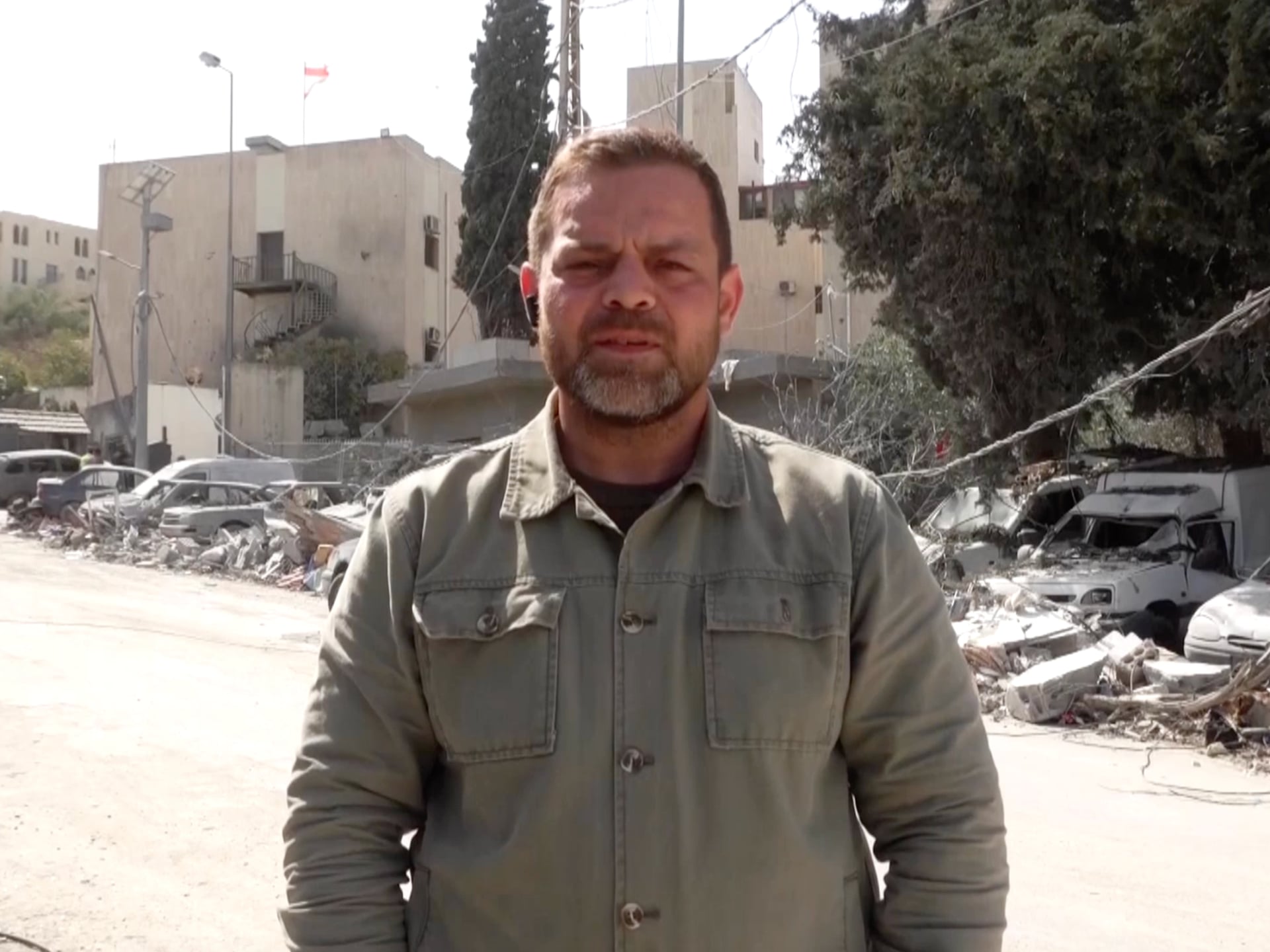
The fragile healthcare infrastructure in southern Lebanon has suffered a critical blow following recent Israeli strikes, which inflicted damage upon Tibnin Hospital. This facility holds an indispensable position as the only fully functioning hospital in the entire region, serving as a vital lifeline for countless individuals. The incident, reported on April 17, 2026, by Al Jazeera, highlights the devastating and immediate consequences of ongoing hostilities on civilian services, particularly those as fundamental as medical care. For a population already grappling with the daily realities of conflict, the impairment of their sole accessible hospital represents a profound escalation of their humanitarian crisis.
The damage to Tibnin Hospital is not an isolated event but rather a stark manifestation of the broader, escalating cross-border hostilities that have plagued the region. The persistent exchange of fire between various parties has created an environment of extreme peril for civilians, who are frequently caught in the crossfire. This cycle of violence not only claims lives and causes physical injury but also systematically dismantles the very foundations of societal well-being, including essential services like healthcare and education. The targeting or incidental damage to medical facilities in such contexts is a recurring tragedy, exacerbating suffering and pushing vulnerable communities further to the brink.
Tibnin Hospital's role extends far beyond that of a typical medical center; it is a pillar of community resilience and survival. It provides a comprehensive range of critical services, including emergency care for trauma victims, complex surgeries, maternal and child health services, and management of chronic diseases. For residents in southern Lebanon, many of whom live in remote or economically disadvantaged areas, Tibnin Hospital is often the only recourse for urgent medical attention. Its operational capacity is paramount for preventing treatable conditions from becoming fatal and for ensuring basic health provisions for a population that would otherwise face immense geographical and financial barriers to care. The disruption of these services translates directly into increased morbidity and mortality rates, particularly among the most vulnerable segments of the population.
The immediate humanitarian impact of this damage is severe and far-reaching. Patients requiring urgent medical intervention, including those with life-threatening injuries or critical illnesses, face perilous delays or complete lack of access to care. The forced transfer of patients to distant, already overburdened facilities places immense strain on limited resources and personnel. Beyond the physical toll, the incident inflicts a profound psychological burden on both the healthcare workers, who operate under immense pressure and risk, and the community, which loses a crucial symbol of hope and stability. The fear and uncertainty generated by such attacks erode public trust and deepen the collective trauma experienced by those living in conflict zones.
International humanitarian law (IHL) unequivocally protects medical facilities, personnel, and transport in armed conflict. The Geneva Conventions and their Additional Protocols clearly stipulate that hospitals and healthcare workers must be respected and protected in all circumstances, and that attacking them constitutes a grave breach of international law. The principle of distinction requires parties to a conflict to differentiate between civilian objects and military objectives, while the principle of proportionality prohibits attacks that may cause incidental loss of civilian life, injury to civilians, or damage to civilian objects that would be excessive in relation to the concrete and direct military advantage anticipated. The damage to Tibnin Hospital necessitates a thorough and impartial investigation to ascertain accountability and ensure adherence to these fundamental tenets of IHL.
This incident in southern Lebanon is unfortunately emblematic of a global pattern where healthcare infrastructure is increasingly under threat in conflict zones. Across various regions affected by armed conflict, hospitals are either directly targeted, caught in crossfire, or suffer from the broader degradation of public services. This systematic undermining of healthcare systems has long-term, devastating consequences for public health, leading to the resurgence of preventable diseases, the collapse of vaccination programs, and a chronic lack of preventative and primary care. The cumulative effect is a profound health crisis that extends far beyond the immediate hostilities, impacting generations and hindering post-conflict recovery efforts.
The challenges for humanitarian aid organizations in such environments are immense. Access restrictions, security risks for aid workers, and the destruction of infrastructure make it exceedingly difficult to deliver essential medical supplies, personnel, and support. Funding shortfalls further compound these difficulties, leaving humanitarian actors struggling to meet the escalating needs. There is an urgent need for all parties to conflict to respect safe corridors for humanitarian access and to uphold the principles of neutrality, impartiality, and independence that guide humanitarian action. The international community must redouble its efforts to ensure that aid can reach those who desperately need it, without impediment or danger.
The ripple effect of such attacks extends throughout the social fabric of affected communities. Beyond the immediate medical needs, the loss of essential services contributes to displacement, economic hardship, and a pervasive sense of insecurity. Children, in particular, bear the brunt of these crises, facing interrupted education, psychological trauma, and a future clouded by instability. The destruction of institutions like Tibnin Hospital not only deprives them of immediate care but also undermines the long-term prospects for health and well-being in their communities, perpetuating cycles of vulnerability and dependence.
Nivaran Foundation emphasizes the critical importance of upholding international humanitarian law and protecting all civilian infrastructure, especially healthcare facilities, during times of conflict. Our global mission is dedicated to ensuring that essential services remain accessible, even in the most challenging environments. The incident at Tibnin Hospital serves as a stark reminder of the urgent need for robust international advocacy, sustained humanitarian support, and concerted diplomatic efforts to de-escalate conflicts and protect the lives and dignity of civilians worldwide. The sanctity of healthcare must be respected as a universal human right, irrespective of geopolitical tensions.
In conclusion, the damage inflicted upon Tibnin Hospital in southern Lebanon is a grave humanitarian concern, highlighting the devastating impact of conflict on civilian populations and their fundamental right to healthcare. As the sole functioning medical facility in the region, its impairment represents a significant setback for thousands of people already enduring immense hardship. The international community must condemn such acts, ensure accountability, and work tirelessly to protect medical infrastructure and personnel in all conflict zones. The imperative to safeguard healthcare, promote peace, and alleviate human suffering remains a collective global responsibility that demands immediate and unwavering attention.
Support Nivaran Foundation's global efforts to protect healthcare and education in conflict-affected regions worldwide.
Talk to Nivaran Global