
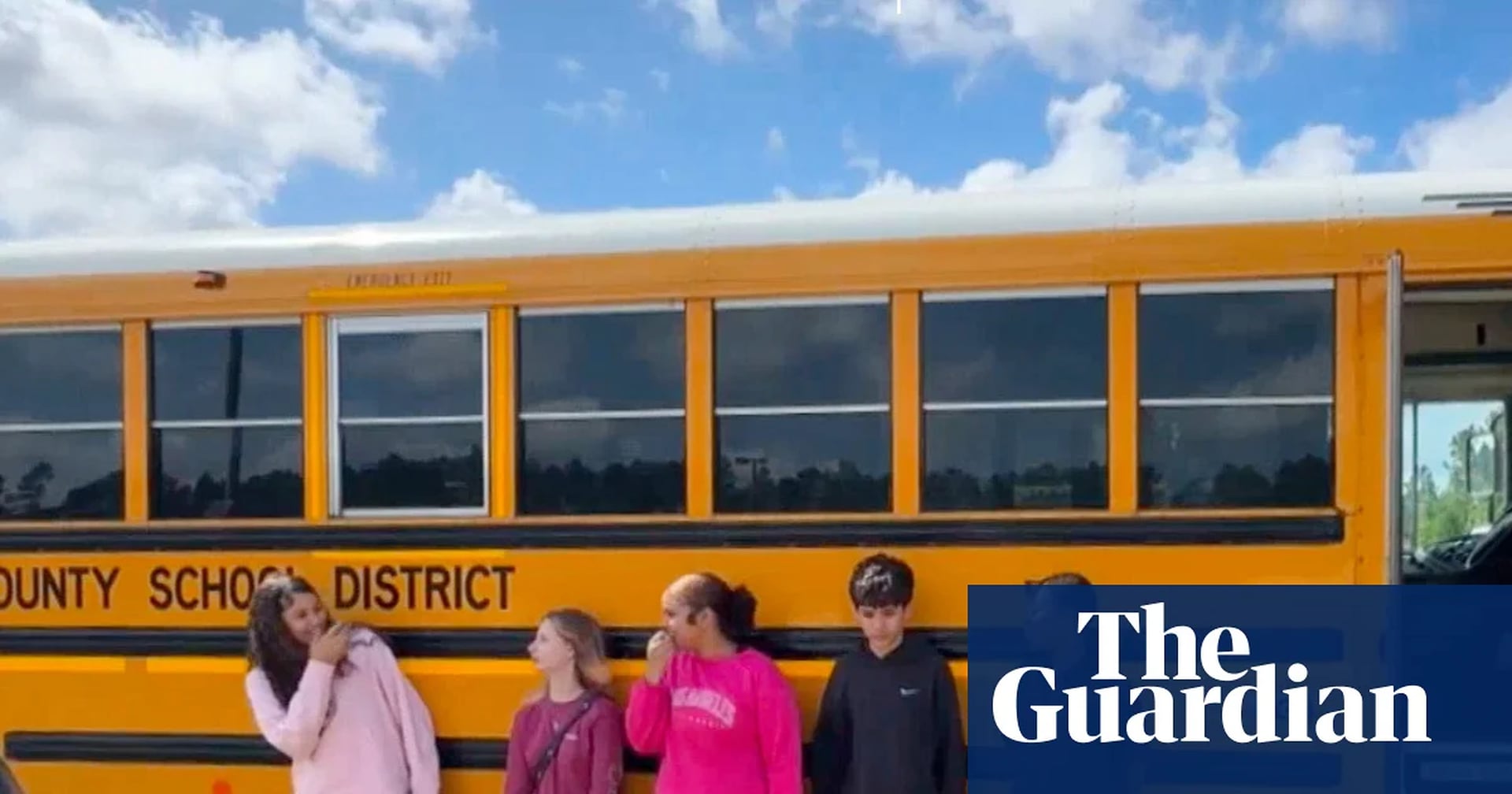
The harrowing moments aboard a school bus in Kiln, Mississippi, recently brought into sharp focus the critical importance of emergency preparedness and the remarkable capacity of young people to act decisively under pressure. What began as a routine journey home for middle school students quickly transformed into a life-or-death situation when their bus driver, Leah Taylor, suffered a severe asthma attack and lost consciousness. In an extraordinary display of courage and quick thinking, students aged between 12 and 15 took control, steering the bus to safety and promptly calling for assistance, ultimately saving their driver's life and preventing a potential catastrophe.
This incident, while specific to a community in the United States, resonates globally, serving as a potent reminder of the inherent vulnerabilities in school transportation systems and the universal need for robust safety protocols. Across continents, millions of children rely on school buses, vans, or other forms of transport to access education. The safety of these journeys is paramount, yet unforeseen emergencies, whether medical, mechanical, or external, can arise without warning. The Mississippi students' actions underscore that preparedness is not solely the responsibility of adults; empowering young people with basic emergency response skills can be a game-changer.
The immediate response of the students involved a combination of bravery and practical action. When their driver became incapacitated, they did not panic. Instead, they assessed the situation, took the initiative to bring the moving vehicle to a halt, and then communicated the emergency to authorities. This sequence of events highlights several key areas for global consideration: the presence of mind required in a crisis, the ability to operate basic controls, and the knowledge of how to contact emergency services. These are not innate abilities but often the result of exposure, observation, and, ideally, structured training.
Globally, school transportation systems vary widely in their infrastructure, regulatory oversight, and emergency preparedness. In many developed nations, drivers undergo rigorous training, and vehicles are equipped with safety features and communication devices. However, even in these contexts, the unexpected can occur. In developing regions, where resources may be scarcer, and regulations less stringent, the risks can be even higher. This incident compels educational institutions and policymakers worldwide to critically evaluate their existing safety frameworks, not just for the vehicles and drivers, but for the potential role students can play in mitigating crises.
One of the most significant takeaways from the Mississippi event is the profound impact of basic life-saving and emergency response education for students. While it is unrealistic to expect children to regularly operate heavy machinery, understanding fundamental principles – such as how to safely bring a vehicle to a stop in an emergency, how to administer basic first aid, or effectively communicate with emergency services – can be invaluable. Programs that integrate these skills into school curricula, perhaps through age-appropriate workshops or drills, can foster a generation of more resilient and capable individuals. Such education not only equips students with practical tools but also builds confidence and a sense of responsibility, empowering them to act rather than freeze when faced with adversity.
Beyond student training, the incident also sheds light on the broader intersection of health and education. The driver's asthma attack underscores the reality that individuals with chronic health conditions are part of the workforce, including those responsible for transporting children. This necessitates comprehensive health management plans for school staff, including clear protocols for medical emergencies. Schools must ensure that drivers are not only physically capable but also have access to necessary medical support and that their health conditions are managed effectively. Furthermore, there should be mechanisms for drivers to communicate any health concerns confidentially to their employers, allowing for proactive measures or contingency planning.
Effective emergency preparedness extends beyond individual actions to systemic implementation. This includes regular emergency drills for school bus scenarios, not just fire drills within school buildings. These drills should involve students, drivers, and school administrators, simulating various crises to ensure that response protocols are well-understood and practiced. Furthermore, buses should be equipped with up-to-date first-aid kits, accessible communication devices, and clearly marked emergency exits and controls. Drivers should receive recurrent training in first aid, CPR, and recognizing signs of medical distress, ensuring they are prepared to respond to their own health issues or those of their passengers.
Policymakers and educational bodies worldwide have a crucial role in establishing and enforcing these standards. This involves setting national or regional guidelines for school transport safety, mandating specific training requirements for drivers, and allocating resources for the necessary equipment and educational programs. International collaboration and sharing of best practices can also accelerate improvements, allowing countries to learn from each other's experiences and adapt successful strategies to their unique contexts. The goal should be to create a universal baseline of safety and preparedness that protects every child on their journey to and from school.
The psychological impact of such an event on students, even those who acted heroically, should also not be overlooked. Post-incident support and counseling are vital to help children process traumatic experiences. This holistic approach to safety – encompassing prevention, preparedness, response, and recovery – is essential for fostering secure and supportive learning environments. The Mississippi students’ bravery is a testament to the human spirit, but it should also serve as a catalyst for global action, inspiring every nation to invest more deeply in the safety and empowerment of its youth.
In conclusion, the remarkable actions of a group of middle school students in Mississippi have provided a compelling narrative of courage and competence in the face of an unexpected crisis. This incident transcends its local context, offering profound lessons for global education and public health. It underscores the urgent need for comprehensive emergency preparedness in school transportation, robust health protocols for staff, and, crucially, the empowerment of students with life-saving skills. By investing in these areas, we can ensure that future generations are not only educated but also equipped to navigate the complexities and challenges of an unpredictable world, transforming potential tragedies into stories of resilience and collective triumph.
Support Nivaran Foundation's initiatives to promote global health and education, fostering safer environments for students everywhere.
Talk to Nivaran Global