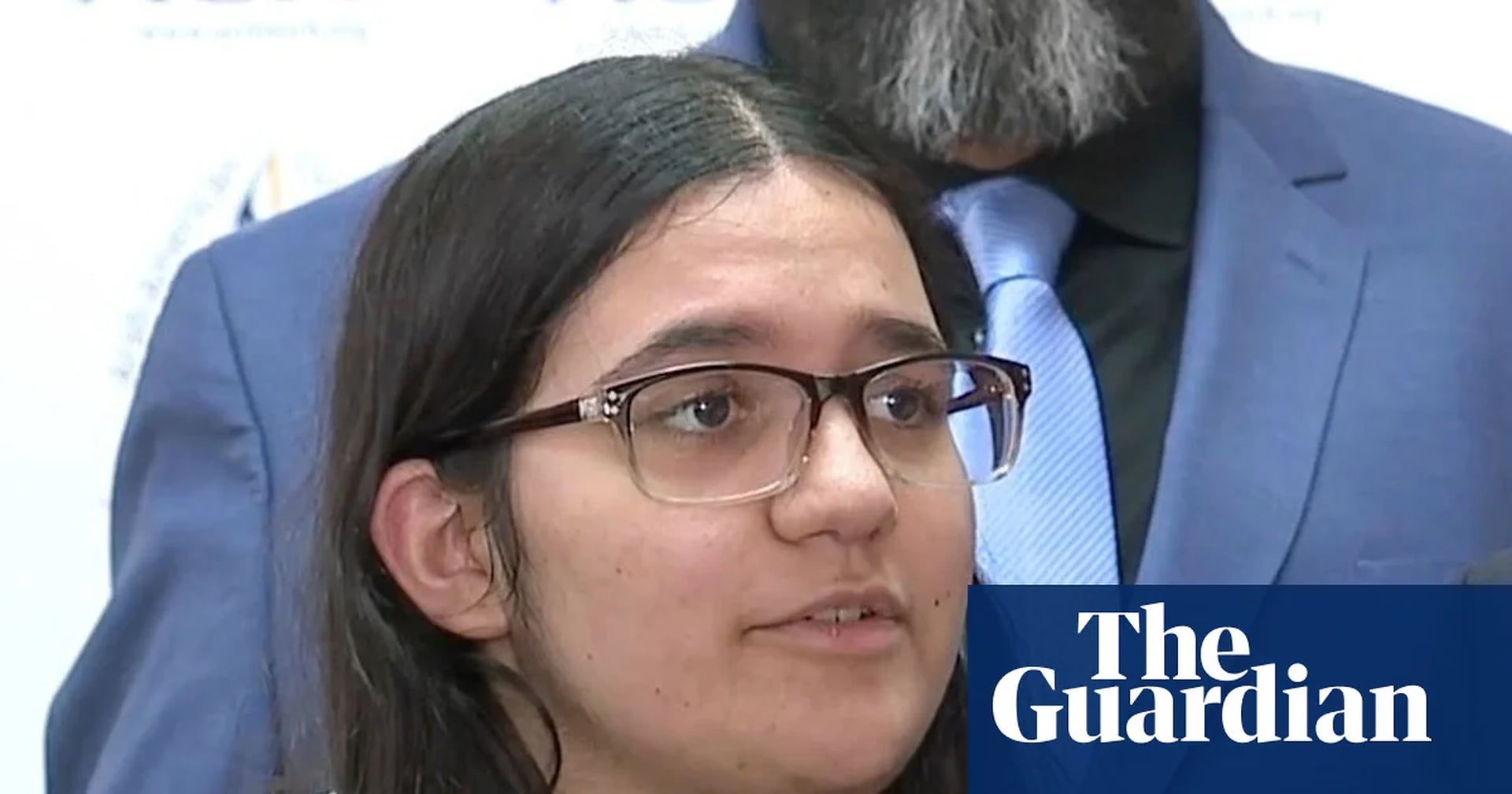
The recent settlement involving a Michigan middle school student, disciplined for refusing to stand for the Pledge of Allegiance as a protest against the conflict in Gaza, has brought into sharp focus the enduring global debate surrounding student free speech and the imperative of fostering inclusive educational environments. This case, involving a Palestinian and Arab teenager identified as DK, underscores the complex interplay between individual rights, school authority, and the geopolitical landscape that often reverberates within classroom walls. While rooted in a specific American legal context concerning the First Amendment, the principles at stake—the right to peaceful protest, protection against discrimination, and the role of schools in nurturing civic engagement—resonate far beyond national borders. The resolution of this lawsuit, though preventing a full judicial ruling, nevertheless signals a significant moment for advocates of student civil liberties and racial equity in education, prompting a broader examination of how institutions respond to the political consciousness of their youngest citizens.
The incident unfolded at West Middle School in Canton, Michigan, where DK, motivated by profound concerns over the humanitarian crisis in Gaza, chose to express her dissent by remaining seated during the daily Pledge of Allegiance. This act of symbolic protest, a long-standing tradition in civil disobedience, quickly escalated into a contentious confrontation. According to reports, a teacher publicly admonished DK for her refusal to participate, allegedly telling her to “go back to her country.” This remark, central to the subsequent lawsuit, introduced a deeply troubling dimension of alleged racial and ethnic discrimination into an already sensitive situation. For many, such a statement directed at a student of Palestinian and Arab heritage, particularly in the context of a politically charged protest, represents a clear violation of fundamental principles of respect and inclusion. The school's subsequent disciplinary measures against DK further compounded the issue, transforming a student's personal expression into a legal battle over fundamental rights.
The legal challenge mounted by DK against the school district invoked the foundational protections of the First Amendment to the U.S. Constitution, specifically the rights to freedom of speech and expression. Landmark Supreme Court decisions, notably Tinker v. Des Moines Independent Community School District (1969), have long affirmed that students do not “shed their constitutional rights to freedom of speech or expression at the schoolhouse gate.” Tinker established that students can engage in symbolic speech, such as wearing armbands to protest a war, as long as it does not substantially disrupt the educational environment or infringe upon the rights of others. DK's refusal to stand for the Pledge, a non-disruptive act of conscience, falls squarely within protected symbolic speech. The case became a crucial test of whether school authorities had overstepped their bounds by punishing an act of peaceful dissent, particularly when intertwined with allegations of discriminatory treatment. This legal precedent reflects a broader international understanding of children's rights to freedom of expression, as enshrined in instruments like the UN Convention on the Rights of the Child.
Beyond the free speech aspect, the alleged racist remark from the teacher—“go back to her country”—elevated the case to a critical discussion about racial discrimination and the creation of safe, equitable learning environments. For students from minority backgrounds, especially those whose identities are often politicized or marginalized, such comments can be deeply damaging, fostering feelings of alienation and a sense of not belonging. The incident highlights the profound responsibility of educators to not only teach tolerance but to actively embody it, ensuring schools remain havens free from prejudice. When a teacher, a figure of authority and trust, allegedly resorts to xenophobic language, it sends a chilling message that can undermine a student's sense of security and their ability to fully participate in education. This aspect of the case resonates globally, as educational institutions worldwide grapple with issues of systemic racism, xenophobia, and the protection of minority students' rights to dignity and respect.
The settlement reached between DK and the Michigan school district, while not a judicial ruling that sets formal legal precedent, carries significant implications. Settlements often involve a confidential agreement, which may include financial compensation, a commitment to policy changes, or mandatory diversity and inclusion training for staff. For DK, it represents an acknowledgment of the harm she experienced and a vindication of her right to protest peacefully. For the school district, it likely serves as a catalyst for introspection and reform, prompting a review of policies regarding student expression, staff conduct, and anti-discrimination measures. More broadly, the settlement sends a powerful message to other educational institutions: that students' constitutional rights, particularly those pertaining to free speech and protection from discrimination, must be rigorously upheld. It underscores the potential legal and reputational consequences for schools that fail to adequately protect these rights, thereby encouraging a more proactive approach to fostering inclusive and rights-respecting environments.
This Michigan case is not an isolated incident but rather a microcosm of a much larger global phenomenon: student activism in response to pressing social and political issues. From climate change protests that have mobilized millions of young people across continents to demonstrations against war, injustice, and human rights abuses, students worldwide are increasingly using their voices to demand change. Whether advocating for environmental protection or speaking out against authoritarian regimes, the classroom and school grounds often serve as initial arenas for civic engagement. These young activists frequently face similar challenges to DK, including institutional resistance, disciplinary actions, and attempts to silence their dissent. The Michigan settlement, therefore, offers a pertinent example of how legal frameworks can be leveraged to protect these nascent forms of civic participation, reinforcing the idea that schools, while tasked with education, also play a crucial role in cultivating informed and engaged citizens.
The incident at West Middle School prompts a critical examination of the role of educational institutions in democratic societies. Schools are charged with imparting knowledge, fostering critical thinking, and preparing students for active citizenship, which includes teaching about rights and responsibilities, freedom of expression, and civic participation. Balancing an orderly learning environment with protecting students' fundamental rights is a delicate task. Educators and administrators must navigate politically charged topics, ensuring discussions are respectful and inclusive, and that students feel safe to express diverse viewpoints without fear of reprisal. The specific context of DK being a Palestinian and Arab student protesting the Gaza conflict adds urgency. Students from communities directly affected by global conflicts or marginalized groups often experience heightened vulnerability. They may face increased scrutiny or prejudice when expressing views that differ from the majority. Schools have a moral and legal obligation to provide a safe and inclusive space for all students, actively working to counteract biases and ensure equitable treatment. The Michigan case underscores the importance of this commitment, reminding us that protecting free speech and fighting discrimination are vital for those whose voices are most at risk.
The settlement in the Michigan student's protest case against the war in Gaza is a significant development, not merely for its local implications but for its global resonance. It reaffirms the critical importance of student free speech rights, particularly when those expressions are rooted in deeply held moral or political convictions. Furthermore, it shines an unforgiving light on the pervasive issue of racial discrimination within educational institutions and the profound impact such prejudice can have on young, developing minds. As societies worldwide navigate increasingly complex geopolitical landscapes and grapple with issues of identity and belonging, the lessons from this case are clear: educational systems must actively champion the rights of all students to express themselves peacefully, while simultaneously fostering environments of unwavering respect, equity, and inclusion. The ongoing vigilance and advocacy for these principles remain essential to ensuring that schools truly serve as pillars of democracy and human rights for every student, everywhere.
Support Nivaran Foundation's work advocating for educational equity and human rights for students globally.
Talk to Nivaran Global