
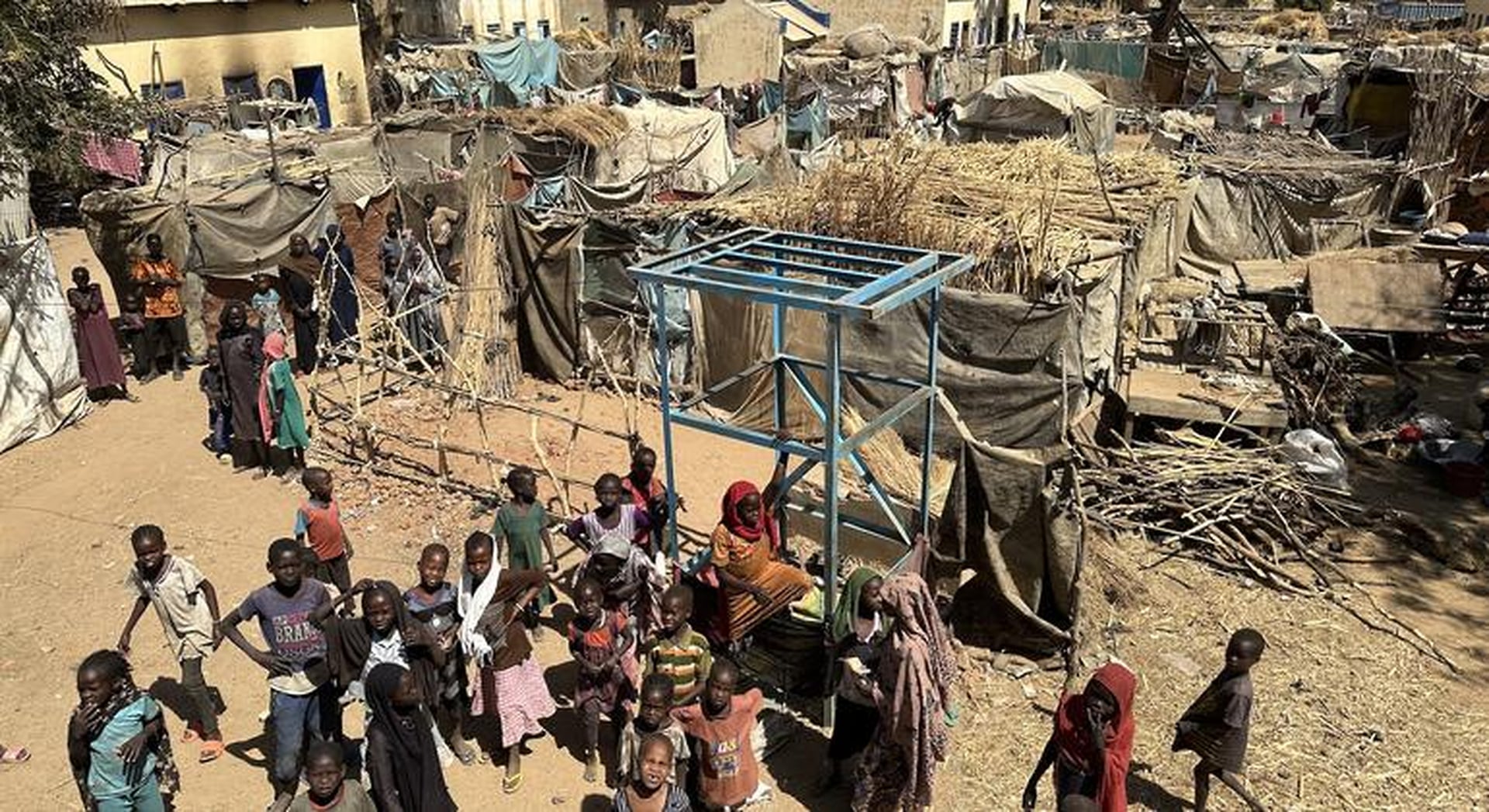
The nation of Sudan is currently grappling with a humanitarian catastrophe of staggering proportions, as nearly 20 million people face acute hunger and an alarming 800,000 children are at severe risk of malnutrition this year. Warnings from United Nations agencies paint a grim picture, highlighting how an unrelenting civil war, widespread internal displacement, and the systematic collapse of essential food and health infrastructure are pushing parts of the country perilously close to famine. This escalating crisis represents one of the most severe humanitarian emergencies globally, demanding immediate and sustained international attention.
At the heart of Sudan's unfolding tragedy lies the devastating civil war, which erupted in April 2023. This conflict has not only claimed countless lives but has also systematically dismantled the very fabric of society, plunging millions into an abyss of food insecurity. The fighting has directly disrupted agricultural cycles, preventing farmers from planting or harvesting crops in what was once a fertile nation. Farmlands have been abandoned, destroyed, or rendered inaccessible due to active hostilities and the pervasive threat of violence. Livestock, a critical asset for many Sudanese families, has been looted or killed, further eroding livelihoods and food sources. The conflict has also crippled supply chains, making it incredibly difficult and dangerous to transport food from areas of production to markets and communities in need. Roads are frequently blocked, checkpoints are numerous, and humanitarian convoys often face significant security risks, delaying or entirely preventing the delivery of life-saving aid.
Beyond the immediate impact on food production and distribution, the civil war has triggered an unprecedented wave of displacement. Millions of Sudanese have been forced to flee their homes, seeking safety from the violence. These internally displaced persons (IDPs) often arrive in host communities or makeshift camps with nothing but the clothes on their backs, entirely dependent on external assistance for survival. The sheer scale of displacement has overwhelmed existing resources, straining host communities that themselves are struggling with limited food, water, and shelter. Families uprooted from their traditional livelihoods, such as farming or pastoralism, find themselves without any means to earn an income or access food, exacerbating their vulnerability to hunger. The psychological trauma of displacement, coupled with the constant fear and uncertainty, further compounds their suffering.
The economic fallout of the conflict has been equally catastrophic. Sudan's economy, already fragile, has been pushed to the brink of collapse. Hyperinflation has rendered basic necessities unaffordable for the vast majority of the population. The value of the Sudanese pound has plummeted, making imported goods prohibitively expensive and eroding the purchasing power of families who still manage to earn an income. Banks and financial institutions have been disrupted, limiting access to cash and further hindering economic activity. Businesses have shuttered, leading to mass unemployment and a severe loss of livelihoods. This economic paralysis means that even when food is available in markets, many families simply lack the financial means to buy it, trapping them in a cycle of poverty and hunger.
The breakdown of essential services is another critical dimension of this crisis. Sudan's health system, once struggling, has been decimated by the war. Hospitals and clinics have been damaged, destroyed, or looted, and many healthcare workers have fled. Those facilities that remain operational often lack essential medicines, equipment, and staff, making it nearly impossible to treat the growing number of people suffering from malnutrition and disease. This is particularly devastating for children, as severe malnutrition requires specialized medical care that is increasingly unavailable. The collapse of water and sanitation systems further compounds the health crisis, leading to outbreaks of waterborne diseases like cholera, which can be deadly for already weakened and malnourished individuals. The lack of access to clean water forces communities to rely on unsafe sources, perpetuating a vicious cycle of illness and hunger.
The human toll of this crisis is most acutely felt by the most vulnerable, particularly children. The warning that over 800,000 children are at risk of severe malnutrition this year is a stark indicator of the dire situation. Severe acute malnutrition (SAM) is a life-threatening condition that can lead to stunting, irreversible cognitive impairment, and increased susceptibility to infectious diseases. For young children, the first 1,000 days of life are critical for physical and cognitive development, and prolonged periods of hunger during this time can have devastating, lifelong consequences. Beyond children, women, the elderly, and people with disabilities are disproportionately affected, often facing greater challenges in accessing food and aid amidst the chaos and insecurity. Pregnant and lactating women require specific nutritional support, which is often unavailable, impacting both their health and the health of their infants.
The United Nations' warning that parts of Sudan are nearing famine underscores the extreme severity of the situation. Famine is not merely a severe food shortage; it is a technical classification indicating widespread death from starvation and disease due to lack of food. It signifies a catastrophic failure of food systems and humanitarian response, where a significant portion of the population faces extreme food deprivation, and mortality rates soar. The conditions in Sudan, characterized by extreme food insecurity, high rates of malnutrition, and widespread displacement, are dangerously close to meeting these criteria in several regions, particularly those cut off by conflict.
Delivering humanitarian aid in Sudan presents immense challenges. Insecurity remains a primary obstacle, with aid workers frequently facing threats, violence, and bureaucratic impediments. Access to conflict-affected areas is often restricted by warring parties, and essential supplies are sometimes diverted or looted. The destruction of infrastructure, including roads and bridges, further complicates logistics, making it difficult and costly to transport aid to remote and hard-to-reach communities. Moreover, the international response has been hampered by significant funding gaps. Despite the overwhelming scale of the crisis, humanitarian appeals for Sudan have consistently been underfunded, leaving agencies struggling to meet the escalating needs. This shortfall means that critical programs, from food assistance to medical care, cannot be adequately scaled up, leaving millions without the help they desperately require.
The international community has a moral imperative to act decisively and collectively to avert an even greater catastrophe in Sudan. While immediate humanitarian aid, including food, nutritional supplements, clean water, and medical supplies, is paramount, a sustainable solution requires addressing the root causes of the crisis. This means intensified diplomatic efforts to broker a lasting peace agreement and ensure the protection of civilians. It also necessitates robust international support for rebuilding Sudan's shattered infrastructure and revitalizing its economy once stability is achieved. Investing in resilient food systems, strengthening health services, and supporting education will be crucial for the country's long-term recovery and for preventing future crises of this magnitude.
Nivaran Foundation, through its global news desk, highlights the urgent need for increased awareness and action regarding the deepening hunger crisis in Sudan. The scale of human suffering demands a comprehensive and coordinated response from governments, international organizations, and civil society. Without a concerted effort to end the conflict, ensure unhindered humanitarian access, and adequately fund aid operations, the specter of famine will continue to loom large over Sudan, with devastating and irreversible consequences for millions of its people. The world cannot afford to turn a blind eye to this unfolding tragedy; the lives and futures of millions depend on immediate and decisive intervention.
Support Nivaran Foundation's global efforts to address humanitarian crises and provide vital aid to communities facing acute hunger and health emergencies worldwide.
Talk to Nivaran Global