
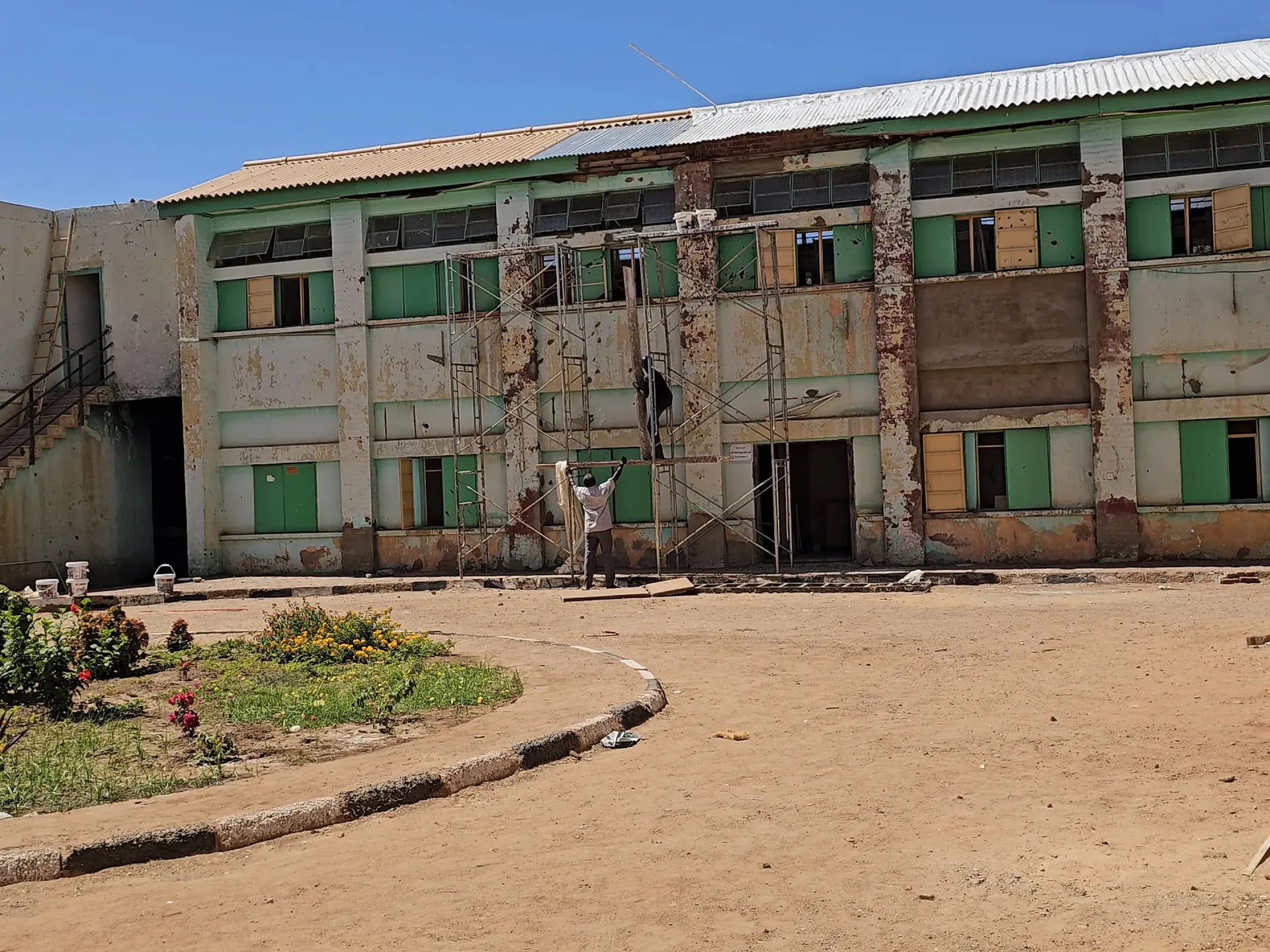
Sudan, a nation already grappling with profound socio-economic challenges, has been plunged into an unprecedented humanitarian catastrophe as its devastating conflict enters its fourth year. The relentless violence has not only displaced millions and shattered livelihoods but has also systematically dismantled the country's vital public services, with the healthcare sector bearing an especially brutal brunt. According to the Sudanese health ministry, a staggering 37 percent of the nation's health facilities are now out of service, a statistic that translates into unimaginable suffering and a profound crisis of access to basic medical care for its embattled population. Amidst this widespread collapse, a singular, specialized hospital stands as a fragile beacon, serving as the nation's last operational stronghold against a burgeoning epidemic of tropical diseases—a grim testament to the resilience of human spirit and the catastrophic failure of peace.
This lone functioning facility, whose name often remains obscured by the fog of war but whose mission shines brightly, has become a sanctuary for those afflicted by illnesses that thrive in conditions of conflict and displacement. It is not merely a hospital; it is a critical lifeline, the only place where complex tropical diseases, often neglected even in times of peace, can receive diagnosis and treatment. In a country where clean water is scarce, sanitation systems are destroyed, and populations are forced into crowded, unsanitary camps, the prevalence of diseases like malaria, dengue fever, cholera, leishmaniasis, and schistosomiasis skyrockets. These conditions, easily preventable and treatable under normal circumstances, become deadly threats when healthcare infrastructure crumbles and access to medicine is severed. The hospital's staff, working under unimaginable pressure and constant threat, are not just medical professionals; they are guardians against a public health disaster of epic proportions, fighting a battle on two fronts: against disease and against the very forces that seek to undermine their efforts.
The 37 percent figure cited by the health ministry barely scratches the surface of the systemic decay. Beyond facilities being "out of service," many that technically remain open operate at a fraction of their capacity, lacking essential medicines, equipment, electricity, and even clean water. Supply chains are routinely disrupted by fighting, looting, and bureaucratic hurdles, making it nearly impossible to procure life-saving drugs or maintain critical machinery. Medical personnel, already scarce, face immense personal risks, with many having fled the country or been killed, injured, or detained. This "brain drain" further debilitates a system already on its knees, leaving a critical void in expertise and experience. The remaining staff often work without pay, driven solely by their ethical commitment to their patients, performing miracles with severely limited resources. The sheer logistical nightmare of keeping even one specialized hospital operational in such an environment—securing fuel for generators, sourcing clean water, ensuring the safety of staff and patients—is a monumental undertaking that consumes vast amounts of energy and resources.
Conflict zones are fertile ground for the spread of infectious and tropical diseases. The displacement of millions into overcrowded, makeshift settlements creates ideal conditions for pathogens to proliferate. Malnutrition, a direct consequence of disrupted food supplies and economic collapse, weakens immune systems, making populations more susceptible to infection and increasing the severity of disease. The destruction of public health infrastructure, including vaccination programs, disease surveillance systems, and vector control initiatives, means that outbreaks go undetected, uncontained, and untreated, quickly spiraling into epidemics. For instance, the breakdown of sanitation systems leads to waterborne diseases like cholera, while stagnant water bodies created by damaged infrastructure or displacement camps become breeding grounds for mosquitoes carrying malaria and dengue. Leishmaniasis, a parasitic disease often linked to poor housing and sanitation, also sees a surge in such environments. The hospital's focus on tropical diseases is therefore not incidental; it is a direct response to the predictable and devastating health consequences of prolonged armed conflict.
The human cost of this crisis is immeasurable. Millions of Sudanese, particularly children, women, and the elderly, are denied access to even the most basic healthcare. Preventable deaths become commonplace, and treatable conditions turn fatal. Children, already vulnerable to malnutrition, face increased risks from diarrheal diseases, respiratory infections, and vaccine-preventable illnesses. Pregnant women are deprived of essential prenatal and postnatal care, leading to higher rates of maternal and infant mortality. The long-term consequences for Sudan are equally dire. A generation growing up without adequate healthcare will suffer from chronic health issues, impaired development, and reduced productivity, further hindering the nation's ability to rebuild once peace is eventually achieved. The psychological trauma inflicted by war, coupled with the physical suffering from disease, creates a complex web of health challenges that will persist for decades. The destruction of healthcare infrastructure represents not just a temporary setback but a profound erosion of human capital and societal resilience.
The dire situation in Sudan demands an urgent and robust international response. The protection of healthcare facilities and personnel, as mandated by international humanitarian law, must be prioritized and enforced. Humanitarian aid, including medical supplies, equipment, and financial support, needs unimpeded access to reach those most in need. Beyond immediate relief, there is a critical need for sustained investment in rebuilding Sudan's health infrastructure, strengthening its public health systems, and training a new generation of medical professionals. Organizations like the Nivaran Foundation are committed to championing resilient health systems and providing vital medical aid in conflict-affected regions worldwide, understanding that health is a fundamental human right and a cornerstone of peace and stability. The international community cannot afford to turn a blind eye to the unfolding health catastrophe in Sudan; the implications extend beyond its borders, posing a threat to global health security and setting a dangerous precedent for the disregard of humanitarian principles.
The story of Sudan's solitary functioning hospital, battling tropical diseases amidst the ruins of war, is a powerful and heartbreaking symbol of both immense suffering and extraordinary courage. It underscores the devastating impact of conflict on human health and the critical importance of protecting and supporting healthcare in times of crisis. As the war enters its fourth year, the global community must move beyond expressions of concern to concrete action, ensuring that the people of Sudan receive the medical care they desperately need and that the foundations for a healthier, more peaceful future can begin to be laid. The resilience of those on the front lines of this medical battle deserves not just admiration, but unwavering global solidarity and support.
Your support enables Nivaran Foundation to champion resilient health systems and provide vital medical aid in conflict-affected regions worldwide.
Talk to Nivaran Global