
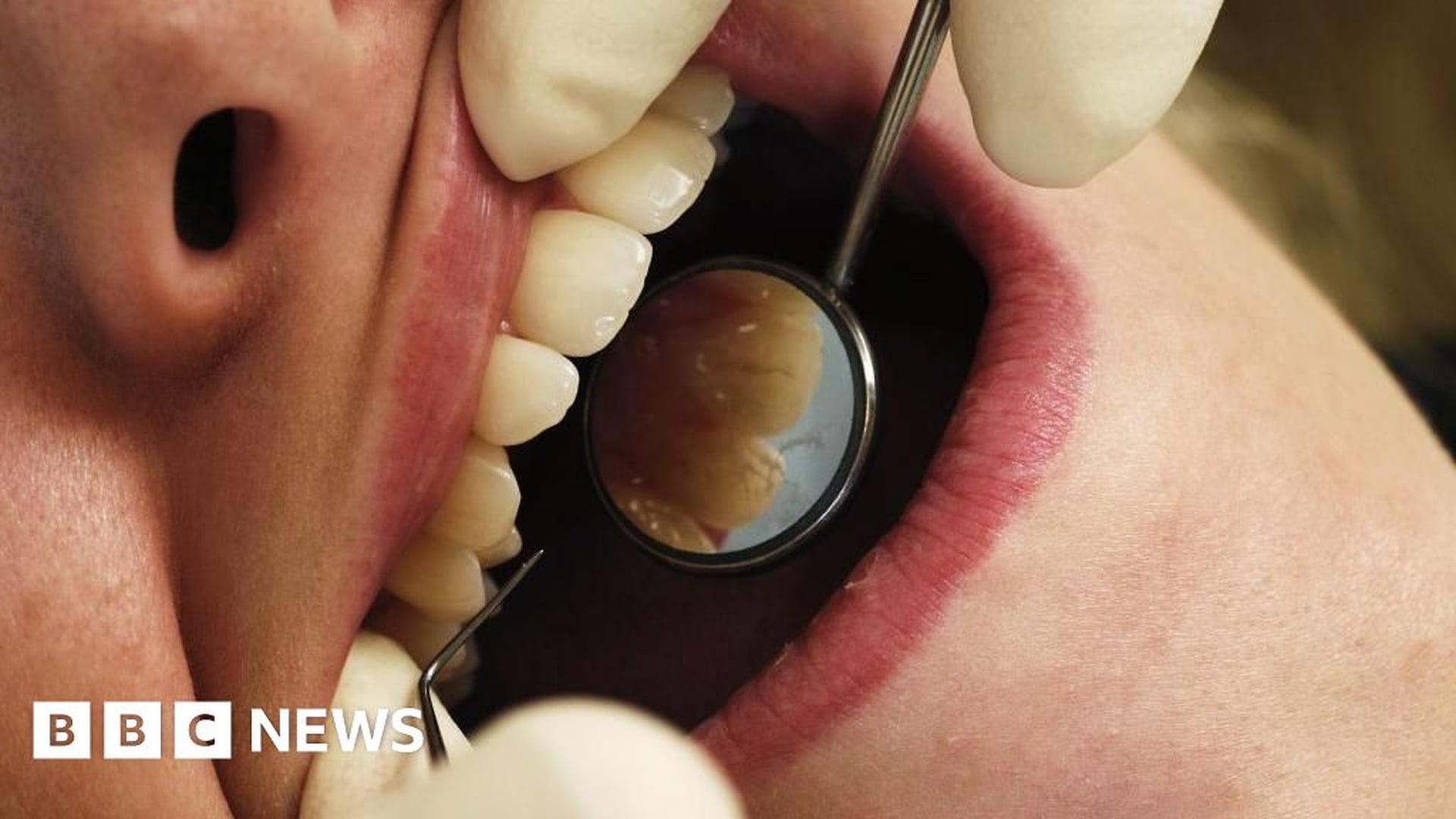
The recent urgent health warning issued to patients of a dental clinic in Sydney, Australia, serves as a stark global reminder of the indispensable role of stringent infection control practices in healthcare. Authorities have advised individuals who received treatment at the clinic to undergo testing for a range of bloodborne viruses, including HIV, Hepatitis B, and Hepatitis C, following the discovery of "poor infection control practices." This incident, while geographically specific, resonates universally, highlighting the profound implications of lapses in medical hygiene for patient safety, public trust, and global health security.
Infection control is not merely a procedural formality; it is the bedrock upon which safe healthcare delivery rests. In dental settings, where procedures often involve contact with blood, saliva, and other bodily fluids, the risk of pathogen transmission is inherently high. The fundamental principles—sterilization of instruments, disinfection of surfaces, meticulous hand hygiene, appropriate use of personal protective equipment (PPE), safe injection practices, and proper waste management—are designed to create a barrier against the spread of infectious agents. When these protocols are compromised, even inadvertently, the potential for cross-contamination and the subsequent transmission of serious diseases escalates dramatically. The Sydney case underscores that such breaches are not theoretical risks but tangible threats with potentially life-altering consequences for patients.
The global health community has long recognized the critical importance of these measures. Organizations like the World Health Organization (WHO) issue comprehensive guidelines for infection prevention and control (IPC) that are adopted and adapted by national health agencies worldwide. These guidelines are continuously updated based on scientific evidence and emerging infectious disease threats. They cover everything from the design of healthcare facilities to the training of personnel, emphasizing a systemic approach to safety. The incident in Australia, therefore, is not an isolated anomaly but a potent illustration of what can happen when these universal standards are not rigorously upheld. It prompts a global introspection into the robustness of regulatory oversight, the effectiveness of practitioner training, and the vigilance of auditing mechanisms in healthcare systems across diverse nations.
The psychological and emotional toll on patients who receive such a warning cannot be overstated. The anxiety associated with the possibility of having contracted a serious, potentially chronic, or life-threatening illness due to a healthcare provider's negligence is immense. Beyond the immediate fear, there is the burden of undergoing testing, waiting for results, and potentially facing long-term medical management. This erosion of trust extends beyond the individual practitioner to the broader healthcare system, fostering skepticism and apprehension among the public. For health authorities, managing such a crisis involves not only facilitating widespread testing and providing counseling but also meticulously communicating the risks, the response, and the preventative measures being taken to restore public confidence. Transparency and proactive engagement are paramount in mitigating widespread panic and ensuring that affected individuals receive the necessary support.
Regulatory bodies play a pivotal role in safeguarding public health by establishing and enforcing standards for healthcare practices. In many countries, dental practitioners are subject to licensing requirements, ongoing professional development mandates, and periodic inspections designed to ensure compliance with infection control protocols. When severe breaches occur, these bodies are tasked with investigating the extent of the failure, identifying systemic weaknesses, and imposing appropriate sanctions, which can range from fines and mandatory retraining to license suspension or revocation. The objective is not merely punitive but also preventative, aiming to deter future infractions and reinforce a culture of safety across the profession. However, the Sydney incident highlights that even in highly regulated environments, vigilance must be constant, and oversight mechanisms must be robust enough to detect and address non-compliance before it leads to widespread patient exposure.
The economic ramifications of such incidents are also substantial. Public health campaigns involving widespread testing, contact tracing, and potential long-term medical care for affected individuals represent a significant financial burden on healthcare systems. Beyond direct costs, there are indirect economic impacts, including lost productivity, legal expenses, and the intangible cost of damaged institutional reputation. For the individual practitioner or clinic, the consequences can be devastating, leading to the closure of practices, professional disbarment, and legal liabilities. This underscores the argument that investing in rigorous infection control is not merely a moral imperative but also a sound economic strategy, preventing far costlier crises down the line.
Preventative measures against such occurrences require a multi-faceted approach. Firstly, continuous education and training for all healthcare personnel, from dentists and hygienists to administrative staff, are essential. This training must not only cover the technical aspects of infection control but also foster a deep understanding of its ethical implications and the severe consequences of negligence. Secondly, healthcare facilities must invest in modern equipment and infrastructure that support best practices, including state-of-the-art sterilization technologies and appropriate facility design that minimizes contamination risks. Thirdly, robust auditing and surveillance systems are crucial. Regular, unannounced inspections, coupled with mechanisms for reporting concerns without fear of reprisal, can help identify and rectify issues before they escalate. Finally, patient advocacy plays a vital role. Empowering patients with knowledge about their rights and the expected standards of care can turn them into active participants in maintaining safety, encouraging them to ask questions and report any perceived deviations from safe practices.
The Sydney dental clinic incident serves as a potent global case study, reminding us that the fight against infectious diseases is an ongoing battle that requires unwavering commitment from every segment of the healthcare ecosystem. From the individual practitioner's daily routines to the overarching policies of national and international health organizations, every link in the chain of infection control must be strong. As the Nivaran Foundation continues its mission to champion global health education and advocate for robust healthcare standards, such events reinforce the urgency of our work. Ensuring that every patient, regardless of their location, can access healthcare without fear of preventable harm remains a paramount global health objective. The lessons learned from this incident must translate into reinforced protocols, enhanced oversight, and a renewed global dedication to patient safety, ensuring that the fundamental right to safe healthcare is universally protected.
Support Nivaran Foundation's efforts to champion global health education and advocate for robust healthcare standards worldwide.
Talk to Nivaran Global