
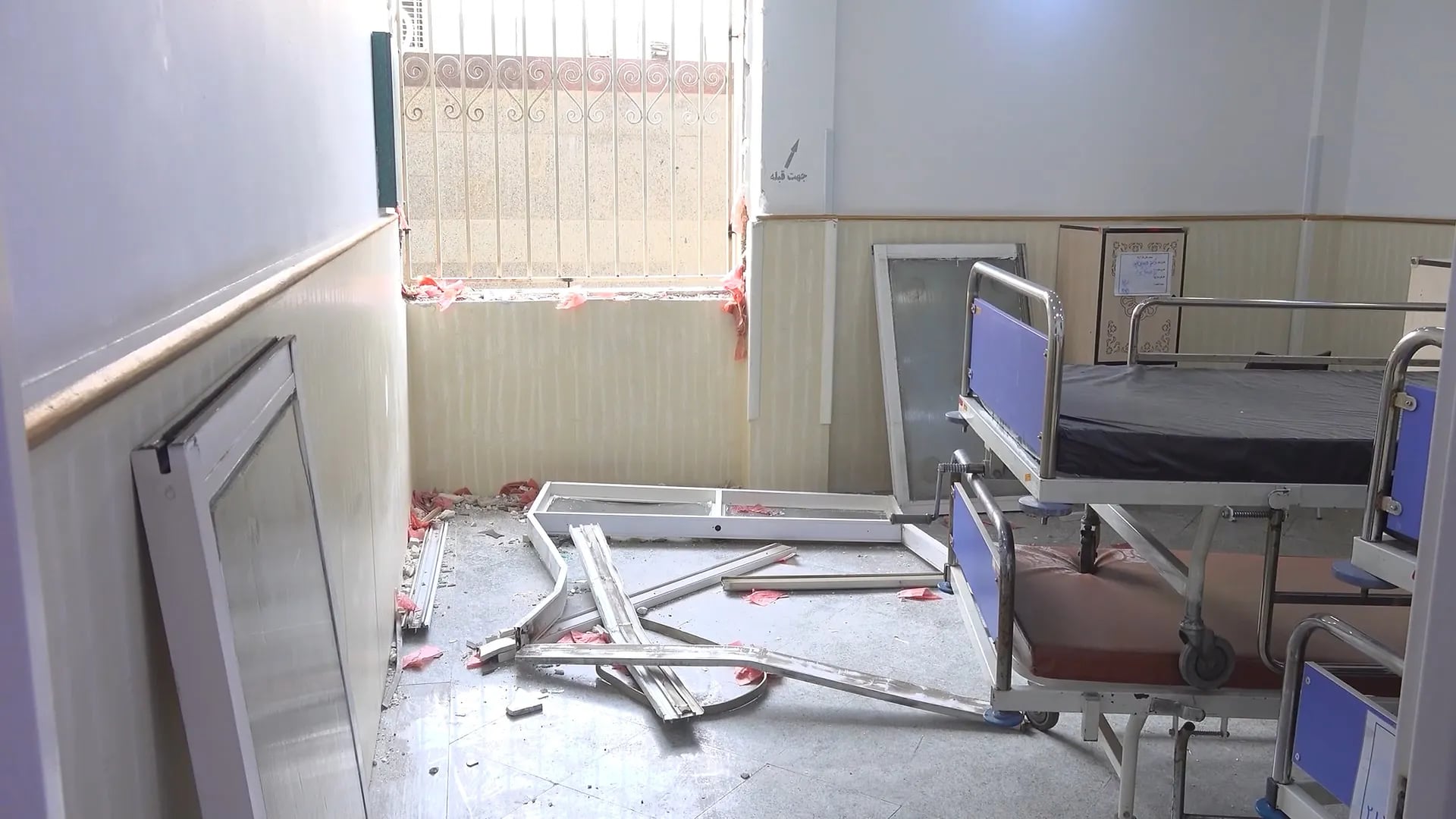
The global humanitarian community is once again confronted with the devastating consequences of escalating geopolitical tensions, as reports emerge from Tehran confirming the incapacitation of a crucial psychiatric hospital. Following a recent US-Israeli strike, the facility, a cornerstone of mental health services in the Iranian capital, has been rendered unusable, according to its chief. This incident represents a profound blow to an already fragile healthcare system and underscores the severe and often overlooked impact of conflict on the most vulnerable segments of society. The immediate aftermath sees hundreds, if not thousands, of patients grappling with the sudden cessation of vital care, while medical professionals face an unprecedented challenge in relocating and continuing treatment for individuals requiring specialized and continuous support. The destruction of such an essential institution not only disrupts immediate medical services but also sends ripple effects through the broader public health landscape, exacerbating a pre-existing mental health crisis in a region frequently beset by instability.
The sudden closure of a major psychiatric hospital has immediate and dire humanitarian implications. Patients receiving inpatient care, many with severe and chronic mental health conditions, are abruptly displaced from their structured environments and critical treatment regimens. For individuals suffering from conditions such as schizophrenia, severe depression, bipolar disorder, or acute trauma-related stress, continuity of care is paramount. Disruptions can lead to relapses, decompensation, and increased risk of harm to themselves or others. The logistical nightmare of safely transferring these patients, many of whom may be disoriented, agitated, or require specific medications and therapeutic interventions, is immense. Furthermore, the hospital likely served as an outpatient hub, providing consultations, therapy, and medication management for a much larger population. The loss of this facility means a significant portion of Tehran's population will now struggle to access essential mental health support, further straining community resources and potentially leading to a surge in untreated mental health issues across the city. The psychological trauma inflicted by the strike itself, coupled with the loss of a safe haven for healing, compounds the distress for patients, their families, and the dedicated healthcare workers.
This incident serves as a stark reminder of the devastating toll that armed conflicts exact on civilian infrastructure, particularly healthcare facilities. International humanitarian law (IHL) explicitly mandates the protection of medical units, personnel, and transports in times of armed conflict. The Geneva Conventions and their Additional Protocols clearly state that hospitals and other medical facilities must not be attacked and must be respected and protected at all times. While military objectives are permissible targets, any attack must adhere to the principles of distinction, proportionality, and precaution, ensuring that civilian lives and infrastructure are protected as much as possible. The incapacitation of a psychiatric hospital, a facility dedicated solely to healing and care, raises serious questions regarding adherence to these fundamental principles. Such actions not only violate international norms but also erode the very fabric of humanitarian protection, making it increasingly difficult for aid organizations and local health providers to deliver life-saving services in conflict zones. The broader implication is a chilling effect on healthcare provision in areas deemed vulnerable to conflict, as facilities become hesitant to operate fully under the constant threat of damage or destruction.
The Middle East, a region frequently embroiled in conflict and political instability, already faces a profound and escalating mental health crisis. Decades of war, displacement, economic hardship, and social upheaval have left millions grappling with significant psychological distress. Rates of post-traumatic stress disorder (PTSD), depression, anxiety disorders, and other trauma-related conditions are disproportionately high. In such a context, mental health services are not merely beneficial but absolutely critical for societal resilience and recovery. The destruction or incapacitation of a major psychiatric hospital in a capital city like Tehran represents a catastrophic setback. It not only removes existing capacity but also undermines efforts to destigmatize mental illness and integrate mental health into broader public health strategies. The long-term consequences include an increase in untreated conditions, a heavier burden on families and communities, and a potential for social instability as psychological distress goes unaddressed. The incident highlights the urgent need for robust investment in mental health infrastructure and services, particularly in conflict-affected regions, and for their unequivocal protection under all circumstances.
Rebuilding and restoring a specialized facility like a psychiatric hospital is a complex and protracted undertaking, especially in a volatile geopolitical environment. Beyond the physical reconstruction, there is the arduous task of re-establishing specialized medical teams, securing essential medications, and creating a safe and therapeutic environment for patients who have already experienced significant trauma. The psychological impact on medical staff, who are themselves frontline responders in a crisis, cannot be overstated. They face moral dilemmas, burnout, and the emotional toll of witnessing the destruction of their workplace and the suffering of their patients. The international community, humanitarian organizations, and local authorities must collaborate to provide immediate emergency mental health support, facilitate the safe transfer and continued care of displaced patients, and initiate plans for long-term reconstruction and capacity building. This incident serves as a poignant call to action for all stakeholders to prioritize the protection of healthcare, uphold international humanitarian law, and ensure that mental health remains a central component of humanitarian response and post-conflict recovery efforts globally.
The incapacitation of a Tehran psychiatric hospital following a US-Israeli strike is a stark and tragic reminder of the devastating human cost of armed conflict. It underscores the profound vulnerability of healthcare infrastructure, particularly specialized services like mental health, in times of war. Beyond the immediate physical damage, the incident inflicts deep and lasting psychological wounds on individuals, families, and an entire community. Nivaran Foundation emphasizes that the protection of medical facilities and the provision of uninterrupted healthcare are not mere aspirations but fundamental obligations under international law and core tenets of human dignity. As global tensions persist, it is imperative that all parties to conflict respect and protect civilian infrastructure, especially those dedicated to saving and improving lives. The global community must redouble its efforts to advocate for peace, uphold humanitarian principles, and ensure that access to essential health services, including mental healthcare, remains an inviolable right for all, even in the most challenging circumstances.
Support Nivaran Foundation's global efforts to protect healthcare infrastructure and ensure mental health services reach those most affected by conflict.
Talk to Nivaran Global