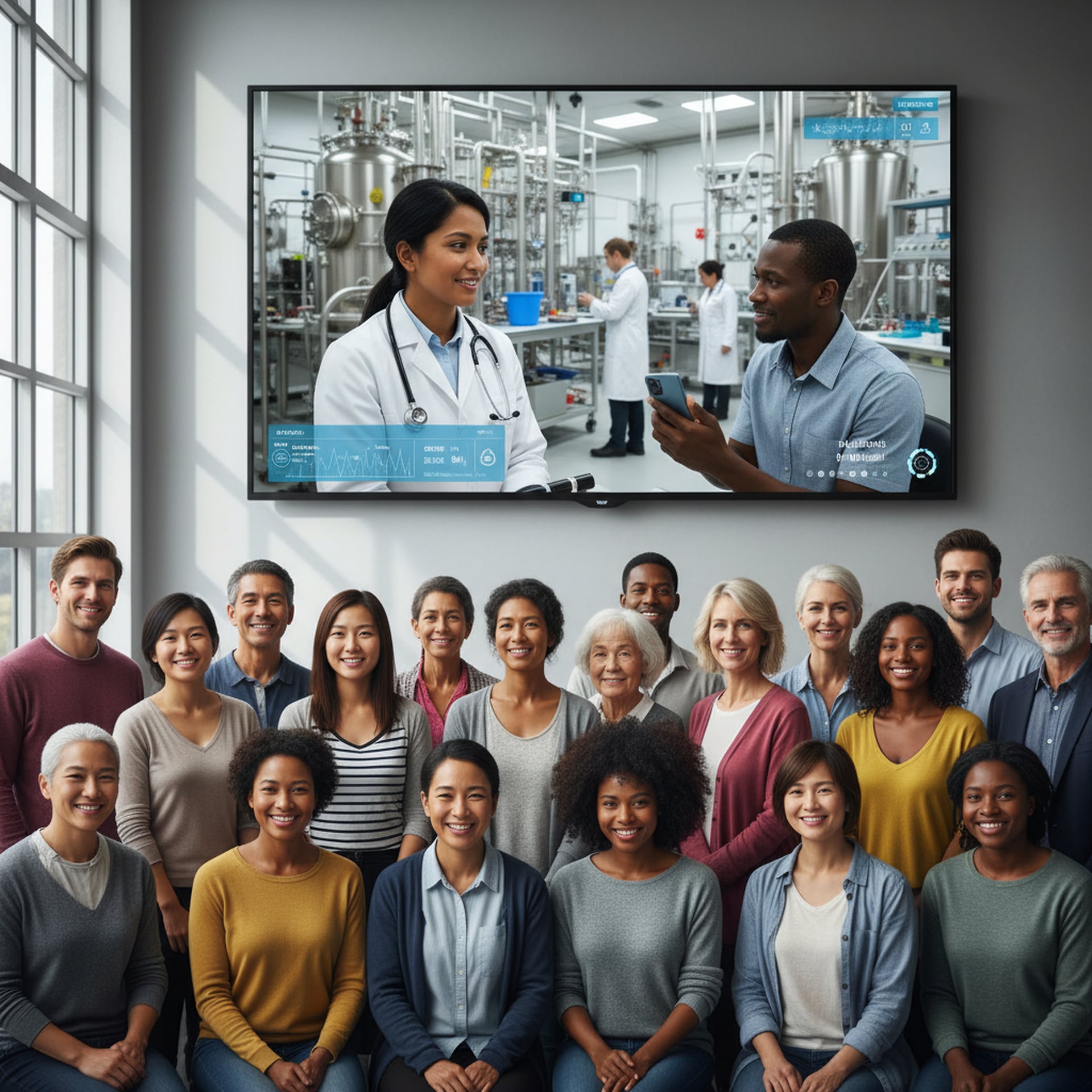
In a development poised to significantly reshape the global landscape of weight-loss treatments, US telehealth powerhouse Hims & Hers has announced a pivotal agreement with Danish pharmaceutical titan Novo Nordisk. This landmark deal signals a resolution to a protracted dispute that had previously seen the two entities at odds over the provision of compounded versions of highly sought-after weight-loss medications. The collaboration, emerging from a period of contention, underscores a growing convergence between digital health platforms and established pharmaceutical innovators, driven by an escalating global demand for effective obesity management solutions.
The core of the previous disagreement revolved around the burgeoning market for glucagon-like peptide-1 (GLP-1) receptor agonists, a class of drugs that includes Novo Nordisk's proprietary medications like Ozempic and Wegovy. These drugs have revolutionized the treatment of type 2 diabetes and chronic weight management, demonstrating remarkable efficacy in clinical trials and real-world application. However, their immense popularity led to supply shortages and high costs, creating a fertile ground for compounded versions. Compounded drugs are custom-prepared medications by pharmacists for individual patients, often when a commercial drug is unavailable or needs specific modifications. While legal under certain circumstances, their use became a flashpoint for intellectual property concerns and regulatory scrutiny, particularly when they mimicked patented formulations without direct authorization. Hims & Hers, a prominent telehealth provider, had been among the platforms offering access to these compounded alternatives, aiming to meet patient demand amidst market constraints, a practice Novo Nordisk had publicly challenged, citing concerns over safety, efficacy, and patent infringement.
The global health community has closely watched the rise of GLP-1 agonists with a mix of optimism and apprehension. On one hand, these medications offer a powerful new tool in combating the worldwide obesity epidemic, a condition linked to numerous chronic diseases and significant healthcare burdens. The World Health Organization identifies obesity as a major public health challenge, affecting billions globally and contributing to millions of preventable deaths annually. The advent of highly effective pharmacological interventions like GLP-1s represents a paradigm shift from traditional weight management strategies, which often struggled with long-term adherence and significant weight regain. However, the high price point of branded GLP-1s, coupled with often limited insurance coverage, has created significant access barriers, particularly in lower-income countries and among underserved populations. This disparity has fueled discussions around drug affordability, equitable access, and the ethical responsibilities of pharmaceutical companies in addressing global health crises.
Telehealth platforms, including Hims & Hers, emerged as critical players in expanding access to healthcare services, especially during and after the recent global pandemic. By leveraging digital technologies, these platforms connect patients with healthcare providers, facilitate prescriptions, and offer ongoing support, often at a lower cost and with greater convenience than traditional in-person care. For conditions like obesity, which require long-term management and often involve sensitive discussions, telehealth offers a discreet and accessible pathway to care. However, their rapid expansion into prescribing complex medications, including compounded GLP-1s, brought them into direct conflict with established pharmaceutical companies and regulatory bodies. The debate centered on the balance between innovation in healthcare delivery, patient access, intellectual property rights, and the rigorous standards required for drug safety and efficacy. The resolution between Hims & Hers and Novo Nordisk is therefore not merely a corporate agreement but a potential blueprint for how these disparate forces might coalesce to serve patient needs within a regulated framework.
While the specific terms of the agreement have not been fully disclosed, such a resolution typically involves a multifaceted approach. It could include licensing agreements allowing Hims & Hers to distribute or prescribe Novo Nordisk's branded GLP-1 medications, potentially at negotiated rates or through specific patient programs. Alternatively, it might involve Hims & Hers ceasing the provision of certain compounded formulations in exchange for other collaborative opportunities or a commitment from Novo Nordisk to ensure better supply and access through digital channels. For Novo Nordisk, the deal offers a pathway to expand its market reach and ensure its patented products are distributed through legitimate, regulated channels, while simultaneously addressing the public relations challenge of being perceived as hindering patient access. For Hims & Hers, it provides enhanced legitimacy, potential access to a stable supply of branded, FDA-approved medications, and a clearer regulatory path forward, solidifying its position as a serious player in chronic disease management.
This agreement carries significant implications for the broader pharmaceutical and telehealth industries. It could set a precedent for how other drug innovators and digital health providers navigate the complex interplay of intellectual property, market demand, and patient access. We may see more collaborations emerge, as pharmaceutical companies recognize the efficiency and reach of telehealth platforms, while telehealth providers seek to legitimize their offerings through partnerships with original drug manufacturers. This shift could lead to more integrated care models, where digital tools facilitate the prescription and monitoring of branded medications, potentially improving patient outcomes and adherence. Conversely, it might also prompt stricter regulatory oversight of compounded medications, ensuring they are reserved for truly individualized patient needs rather than serving as substitutes for commercially available drugs due to cost or supply issues.
From a global health perspective, the resolution between these two significant players could catalyze broader discussions on equitable access to novel therapies. If such partnerships can streamline the distribution of effective weight-loss drugs, it could pave the way for more comprehensive strategies to tackle the global obesity crisis, particularly if pricing and reimbursement models are developed to ensure affordability across diverse economic landscapes. The challenge remains immense: to ensure that groundbreaking medical innovations benefit all who need them, not just those in affluent markets or with robust insurance coverage. This deal, therefore, represents a critical step in defining the future of pharmaceutical distribution and digital healthcare, emphasizing the need for collaboration to overcome barriers to treatment access and improve global public health outcomes.
The long-term impact of this agreement will undoubtedly be observed in patient access, market dynamics, and regulatory frameworks. It signals a maturation of the telehealth sector and a recognition by traditional pharmaceutical companies of the irreversible shift towards digital healthcare. As the world continues to grapple with chronic diseases like obesity, innovative partnerships that balance commercial interests with public health imperatives will be crucial. The Hims & Hers and Novo Nordisk agreement stands as a testament to the evolving strategies required to deliver cutting-edge medical solutions in an increasingly interconnected and digitally driven world, promising a potentially brighter future for millions seeking effective weight management.
Support Nivaran Foundation's independent global health reporting to illuminate critical developments in healthcare access and innovation.
Talk to Nivaran Global