Thailand is pioneering an innovative approach to international engagement, offering a unique five-year visa designed to attract visitors interested in its rich cultural heritage and “soft power” assets. Central to this initiative is the opportunity for foreigners to secure an extended stay by participating in activities such as learning Muay Thai, the nation’s revered martial art. This strategic move transcends traditional tourism, inviting individuals to immerse themselves deeply in Thai culture while pursuing personal development through physical and mental discipline. The program signifies a global trend towards experiential travel, where the pursuit of knowledge and well-being becomes a primary motivator for longer visits, fostering a more profound connection between visitors and the host country. For the Nivaran Foundation, this development underscores the intrinsic link between cultural exchange, education, and holistic health, offering a compelling model for global engagement.
The concept of “soft power”—the ability to attract and co-opt rather than coerce—is increasingly recognized by nations as a vital tool in international relations and economic development. Thailand's visa initiative is a prime example of leveraging cultural assets, like Muay Thai, to enhance its global appeal. By offering an extended visa for those engaging in such activities, Thailand is not merely inviting tourists; it is cultivating ambassadors who will develop a deeper appreciation for its traditions, language, and way of life. This strategy moves beyond superficial sightseeing, encouraging a more meaningful exchange that can lead to long-term positive relationships and mutual understanding. From a global health perspective, promoting activities like martial arts training aligns with broader goals of encouraging physical activity and mental resilience worldwide. Educationally, it provides a structured pathway for learning a new skill, understanding a different culture, and potentially even acquiring a new language, all within an authentic environment. This innovative policy sets a precedent for how countries can transform their cultural identity into a powerful magnet for international visitors.
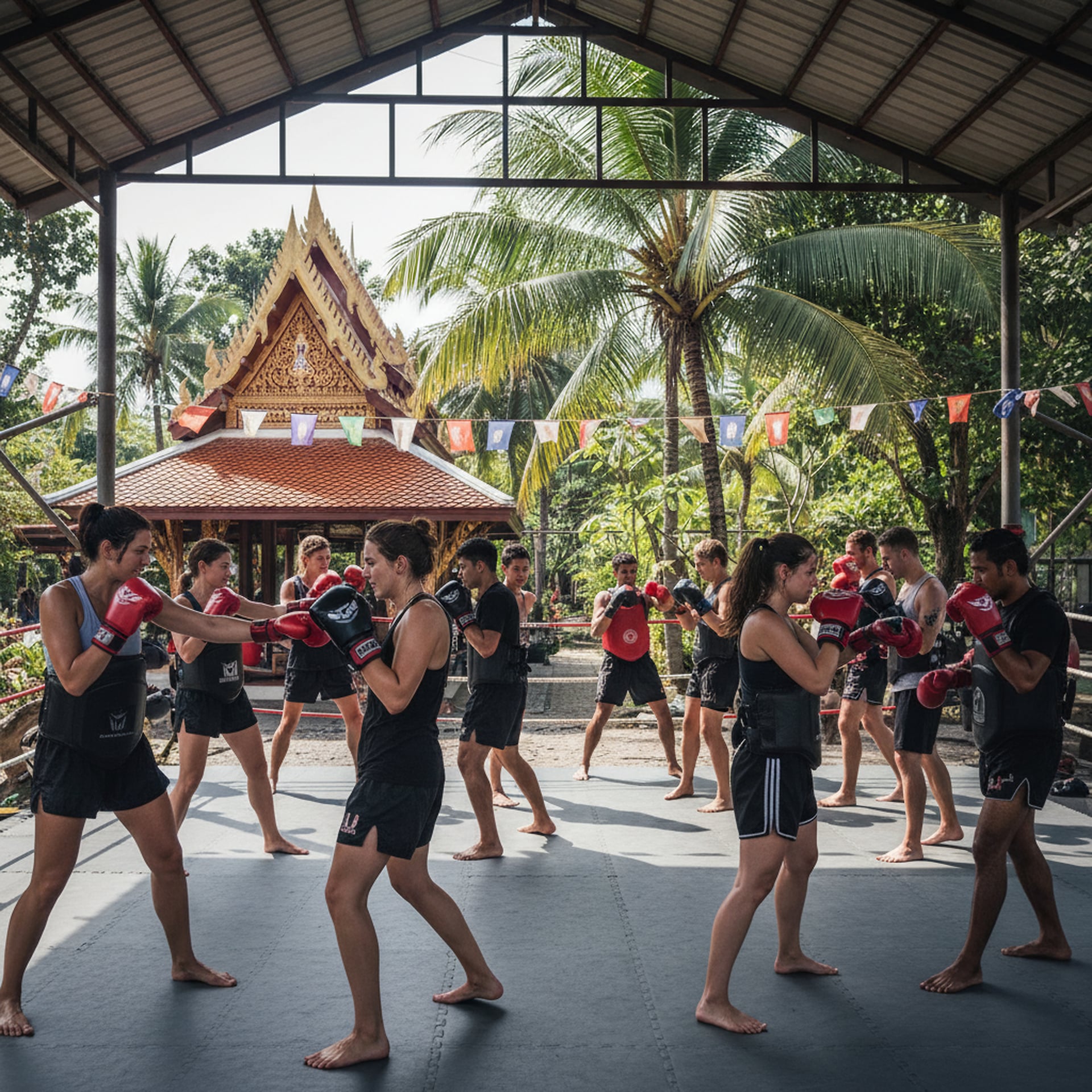
At the heart of this visa program lies Muay Thai, a martial art deeply embedded in Thai history and identity. Often referred to as “the Art of Eight Limbs,” it utilizes fists, elbows, knees, and shins, demanding exceptional physical conditioning and mental fortitude. However, the beauty of Thailand's new visa offering is its flexibility; participation in Muay Thai training does not necessitate grueling regimens or competitive sparring. Visitors can opt for beginner-friendly classes focused on technique, fitness, and cultural appreciation, making it accessible to a wide demographic, regardless of prior athletic experience. The health benefits are extensive: improved cardiovascular fitness, enhanced strength and flexibility, better coordination, and significant stress reduction. Beyond the physical, the discipline inherent in martial arts training fosters mental clarity, focus, and self-confidence. For many, the structured environment of a Muay Thai gym provides a unique blend of physical challenge and personal growth, contributing significantly to overall well-being. This inclusive approach ensures that the health benefits of Muay Thai are available to all, from casual enthusiasts to dedicated practitioners, making it a powerful tool for promoting global health.
The educational value of learning Muay Thai extends far beyond mastering strikes and blocks. Engaging in this martial art provides a unique window into Thai culture, history, and values. Students often learn about the rituals, respect for elders and teachers (wai kru), and the philosophical underpinnings of the art. This immersive experience can naturally lead to an interest in the Thai language, local customs, and cuisine, fostering a holistic educational journey. Unlike short-term tourist visits, a five-year visa allows for sustained engagement, enabling individuals to progress in their training, build relationships within the local community, and truly integrate into the fabric of daily life. This extended period facilitates deeper cultural understanding, challenging preconceived notions and promoting empathy across cultures. For the Nivaran Foundation, such initiatives are crucial for advancing global education, as they encourage practical learning, cross-cultural dialogue, and the development of skills that contribute to personal growth and global citizenship. The opportunity to learn a complex skill in its country of origin offers an unparalleled educational experience.
The new five-year visa fundamentally alters the landscape for international visitors seeking more than a fleeting holiday. Traditional tourist visas typically offer limited stays, often requiring frequent border runs or complex renewal processes. This new initiative simplifies the process for those committed to a longer-term engagement with Thailand’s cultural offerings. By linking visa eligibility to participation in “soft power” activities, the Thai government is creating a clear pathway for individuals to reside in the country for an extended period, fostering stability and deeper integration. The accessibility of this program is key; training does not have to be rigorous, and sparring is entirely optional, ensuring that individuals of varying fitness levels and personal preferences can participate. This inclusive design broadens the appeal of the visa, making it an attractive option for retirees seeking an active lifestyle, digital nomads looking for a cultural base, or students wishing to combine language learning with physical activity. It represents a forward-thinking policy that recognizes the evolving demands of global travelers who prioritize meaningful experiences over conventional tourism.
Thailand's innovative visa model holds significant implications for the future of global travel and cultural exchange. It signals a shift from purely leisure-focused tourism to a more purposeful, experiential form of travel centered on learning and personal development. Other nations with rich cultural traditions could potentially adopt similar strategies, offering extended stays to individuals willing to engage deeply with local arts, crafts, languages, or historical practices. This approach not only diversifies a country's tourism offerings but also strengthens its cultural diplomacy, creating lasting connections with international visitors. Economically, longer stays translate into sustained support for local businesses—from training gyms and instructors to accommodation providers, restaurants, and local markets. This steady influx of engaged visitors can provide a more stable economic benefit compared to transient tourism. Furthermore, for individuals, the opportunity for extended immersion can lead to reduced travel stress, foster deeper personal connections, and allow for more sustained personal growth and skill acquisition, contributing positively to mental and physical well-being on a global scale.
While the potential benefits of this visa program are substantial, its successful implementation will require careful consideration of several factors. Ensuring the authenticity and quality of the training programs offered is paramount to maintaining the integrity of the “soft power” initiative. There is a need to guard against purely commercialized operations that might dilute the cultural and educational value. Additionally, accessibility for a diverse global population must be addressed, including potential costs associated with training and living, as well as language barriers in some local settings. The infrastructure of local training facilities and communities will also need to be robust enough to accommodate a potential increase in demand, ensuring that the influx of visitors benefits local residents without overwhelming resources. Continuous monitoring and adaptation will be essential to ensure the program remains equitable, sustainable, and truly beneficial for both visitors and the host country, aligning with the Nivaran Foundation's principles of responsible global development.
From the Nivaran Foundation's perspective, Thailand's initiative is a commendable example of how governments can creatively foster global health and education. By linking visa policy to cultural engagement and physical activity, it promotes a holistic view of well-being that combines physical fitness, mental discipline, and cross-cultural understanding. Learning a skill like Muay Thai in its authentic context is not just a recreational pursuit; it is an educational endeavor that builds character, promotes cultural empathy, and contributes to a healthier, more interconnected global community. This model encourages individuals to become active participants in their travel experiences, moving beyond passive observation to active learning and contribution. As the world increasingly values immersive and meaningful experiences, Thailand's pioneering approach offers a blueprint for other nations to leverage their unique cultural heritage for mutual benefit, enriching the lives of global citizens and strengthening international bonds through shared learning and well-being.
Support Nivaran Foundation's efforts to promote global health and educational initiatives worldwide.
Talk to Nivaran Global