
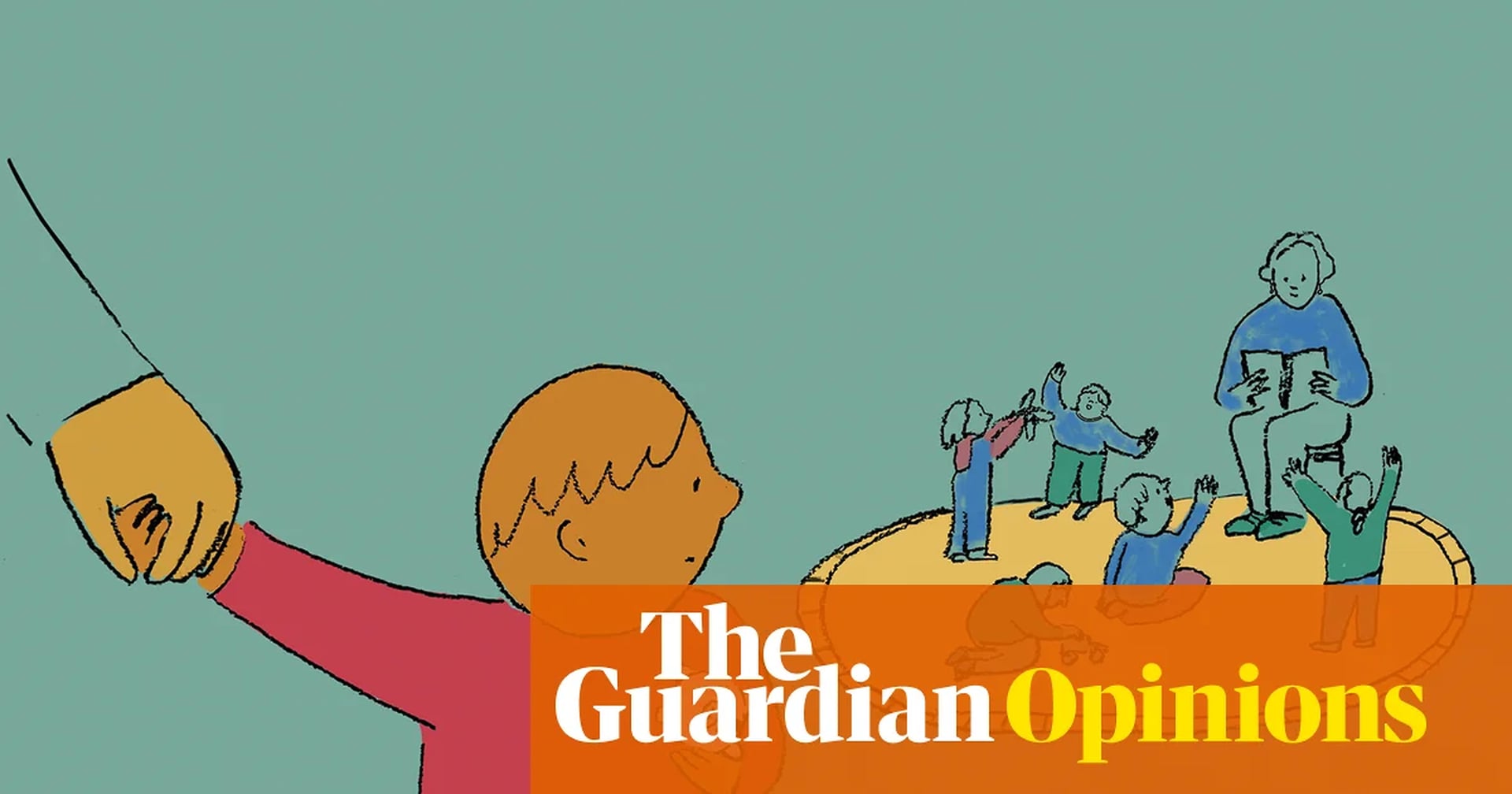
Across the globe, the foundational years of a child's life are universally recognized as critical for development, yet the provision of high-quality, accessible early childhood education and care (ECEC) remains a persistent struggle. From bustling urban centers to remote rural communities, the challenge of ensuring every child receives the early support they deserve is a complex, multifaceted issue that demands continuous advocacy and strategic investment. While some regions celebrate significant strides, the underlying narrative is one of an enduring battle for resources, policy prioritization, and societal recognition of ECEC as an indispensable public good, not merely a private family concern.
Historically, many nations grappled with the role of the state in early childhood, often viewing it as solely a family responsibility. In the mid-20th century, formal early years provisions were often limited, catering primarily to a small segment of the population or operating on a fragmented, ad-hoc basis. The prevailing sentiment in many societies was that young children belonged at home, with mothers as primary caregivers, and that state intervention was either unnecessary or undesirable. This perspective significantly constrained public investment and the development of comprehensive ECEC frameworks. It was a period marked by limited access, where only a minuscule percentage of preschool-aged children benefited from structured early learning environments, leaving vast numbers without the foundational support that could shape their future trajectories.
However, a transformative shift began to gather momentum in the late 20th century, largely propelled by the tireless efforts of advocates, particularly women in leadership roles and policy-making positions. These champions for children's rights and gender equality fought vigorously to integrate early years care into broader social welfare frameworks. Their arguments transcended mere childcare, emphasizing the profound educational and developmental benefits for children, as well as the economic empowerment it offered to parents, especially mothers, by enabling their participation in the workforce. This advocacy led to crucial policy innovations, such as the introduction of financial support mechanisms for childcare and, significantly, the expansion of free or subsidized part-time nursery places for older preschoolers in many developed economies. Each step forward, however, was hard-won, reflecting a continuous push against entrenched societal norms and fiscal conservatism.
The benefits of robust ECEC systems extend far beyond simply providing a safe environment for children while parents work. Research consistently demonstrates that high-quality early learning experiences are pivotal for cognitive development, fostering language acquisition, problem-solving skills, and early literacy and numeracy. Equally important are the social-emotional gains: children learn crucial skills like empathy, cooperation, self-regulation, and resilience in structured group settings. These foundational skills are not only vital for successful transition into primary school but also contribute significantly to long-term educational attainment, better health outcomes, and overall well-being throughout adulthood. Investing in early years is, in essence, investing in human capital, creating a more capable, healthier, and engaged citizenry.
Beyond individual child development, the economic imperative for comprehensive ECEC is increasingly undeniable. By facilitating parental workforce participation, particularly for women, ECEC programs boost household incomes, reduce poverty, and contribute to national economic growth through increased productivity and tax revenues. Studies have shown that for every dollar invested in high-quality early childhood programs, there is a significant return on investment through reduced costs in social welfare, healthcare, and criminal justice systems in the long run. Furthermore, it helps to close achievement gaps before they widen, offering children from disadvantaged backgrounds a critical head start that can break cycles of intergenerational poverty. Thus, ECEC is not merely a social expenditure but a strategic economic investment with profound societal returns.
Despite these compelling arguments and the progress made in certain regions, significant global disparities persist. In many low-income countries, access to any form of formal ECEC remains extremely limited, often restricted to urban centers or private institutions unaffordable to the majority. Even where services exist, quality can be highly variable, with underqualified staff, inadequate facilities, and insufficient learning materials. In more developed economies, while access might be broader, the escalating costs of childcare continue to be a major barrier for many families, pushing them into financial strain or forcing difficult choices about employment. The challenge is not just about availability, but also about ensuring equity, quality, and affordability across all socio-economic strata and geographical locations.
Governments and international organizations are exploring diverse policy responses and funding models to address these challenges. Some nations have adopted universal, state-funded models, integrating ECEC into their public education systems from an early age. Others rely on a mixed economy of provision, combining public subsidies with private sector involvement, often through tax credits, vouchers, or direct funding to providers. Community-led initiatives and non-governmental organizations also play a crucial role, particularly in underserved areas, in developing culturally appropriate and accessible programs. However, the effectiveness of these models hinges on sustained political will, robust regulatory frameworks, and adequate, consistent funding to ensure both expansion of access and maintenance of high quality standards.
The ongoing advocacy for early years care is therefore more critical than ever. Recent positive developments, such as significant reductions in childcare costs in some nations due to government funding, serve as powerful reminders of what can be achieved with concerted effort and policy commitment. These successes are not accidental; they are the direct result of decades of persistent campaigning by charities, parent groups, educators, and policy makers who refuse to let the issue fade from the public agenda. The fight continues globally to ensure that early childhood education is recognized not as a luxury, but as a fundamental human right and a cornerstone of sustainable development. It requires a collective global effort to share best practices, mobilize resources, and hold governments accountable for prioritizing the youngest members of society.
In conclusion, the journey towards universal, high-quality, and affordable early childhood education and care is a testament to the enduring human spirit of advocacy and progress. While the landscape of provision has evolved dramatically over the past quarter-century in many parts of the world, the core challenge remains: to ensure that every child, regardless of their birthplace or socio-economic status, has the opportunity to thrive from the very beginning of their life. This global endeavor demands continued vigilance, innovative solutions, and unwavering commitment from all stakeholders to build a future where the missing cradle is finally secured within the welfare state of every nation, providing a strong foundation for generations to come.
Support Nivaran Foundation's global initiatives to champion equitable access to education and health for children worldwide.
Talk to Nivaran Global