
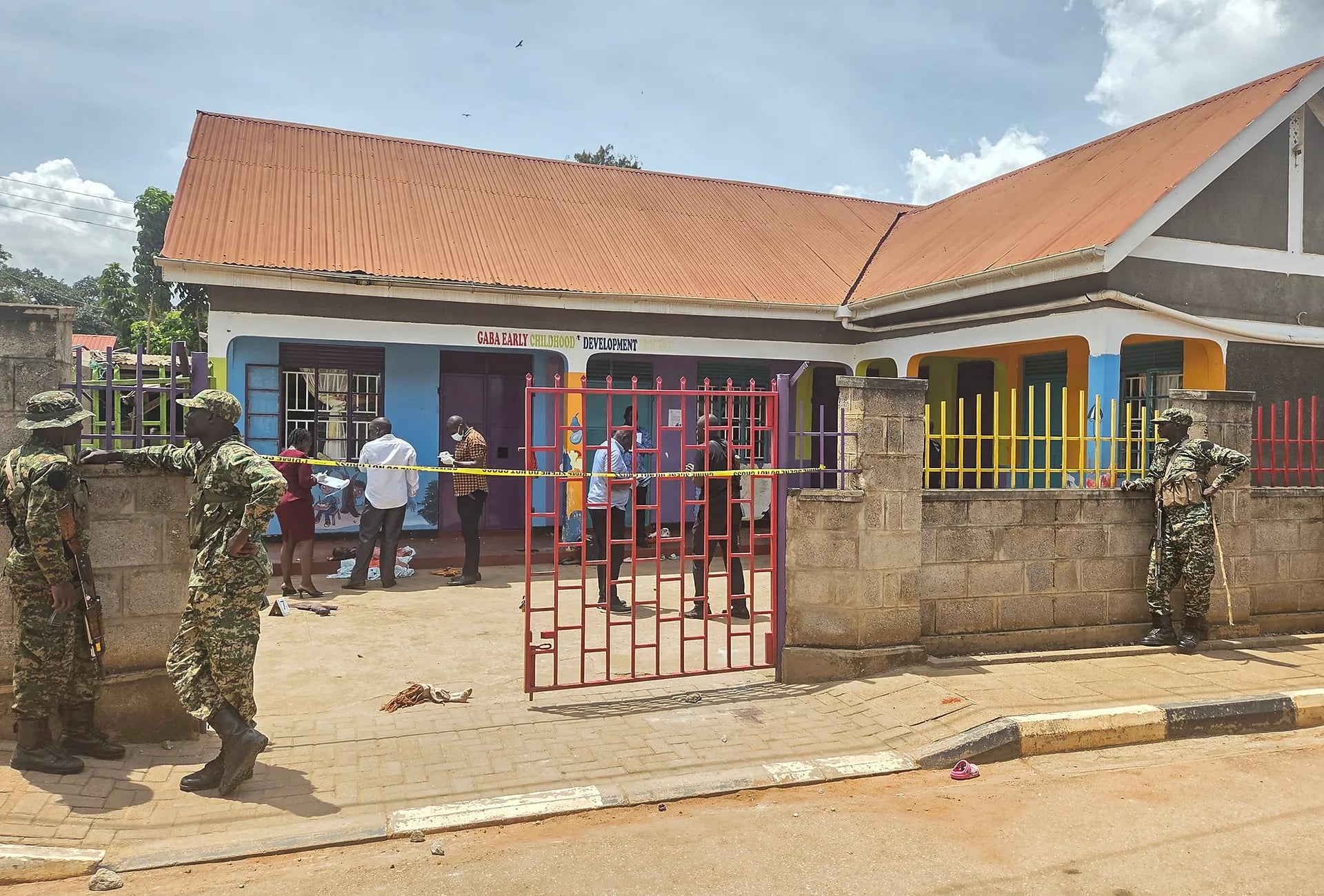
The global community has been gripped by profound sorrow following a horrific incident in Kampala, Uganda, where four young children lost their lives in a brutal stabbing attack at a nursery school. The tragedy, which unfolded in the heart of the Ugandan capital, has sent shockwaves through the nation and beyond, raising urgent questions about child safety, mental health, and the sanctity of educational spaces.
Initial reports from authorities indicated that the attack occurred on a Wednesday morning, a time when young children are typically engaged in learning and play. The victims, all under the age of five, were attending a local nursery school when the assailant reportedly entered the premises and carried out the unthinkable act. Police swiftly responded to the scene, apprehending a suspect who is now in custody. However, the motive behind this heinous crime remains shrouded in mystery, deepening the anguish and confusion felt by the affected community and the wider public.
A Community in Mourning
The immediate aftermath saw scenes of unimaginable grief and disbelief. Parents, teachers, and local residents converged near the school, their faces etched with sorrow and confusion. The vibrant energy typically associated with a nursery school was replaced by a pall of silence, broken only by the quiet sobs of those grappling with the loss. Community leaders and local officials have expressed their condolences and pledged support to the grieving families, while also calling for a thorough and expedited investigation to uncover the full circumstances leading to the tragedy.
The incident underscores the extreme vulnerability of young children and the paramount importance of ensuring their safety, particularly in environments designed for their care and development. Nursery schools, by their very nature, are meant to be havens of learning and protection, fostering the earliest stages of cognitive and social growth. When such a space is violated by an act of extreme violence, it shatters the fundamental trust placed in these institutions and leaves an indelible scar on the collective psyche of a community.
The Broader Context of School Safety
This tragic event in Kampala brings into sharp focus the persistent challenges faced by educational institutions, particularly in developing regions, concerning security and child protection. While schools are often seen as safe havens, they are not immune to the societal pressures and vulnerabilities that exist outside their walls. Many schools, especially those in underserved communities, operate with limited resources, often lacking robust security infrastructure, trained personnel, or comprehensive emergency response protocols.
In Sub-Saharan Africa, where educational access and quality are continually improving, ensuring the physical and psychological safety of students remains a critical concern. Incidents of violence, whether stemming from domestic disputes, community conflicts, or individual acts of aggression, can spill over into school environments, threatening the well-being of children and disrupting their education. The lack of adequate fencing, security guards, or even proper visitor management systems can inadvertently create openings for those with malicious intent.
Addressing the Unseen Scars: Psychological Impact
Beyond the immediate physical harm, the psychological toll of such an event is profound and far-reaching. Children who witnessed the attack, teachers who were present, and the wider school community will undoubtedly carry the trauma for years to come. For young children, exposure to such extreme violence can lead to long-term emotional distress, anxiety, fear, and difficulties in learning and social interaction. It can erode their sense of safety and trust in adults, impacting their development at a crucial stage.
Recognizing this, there is an urgent need for comprehensive psychosocial support services for all affected individuals. This includes trauma counseling for the children, their families, and the school staff. Creating safe spaces for children to express their feelings, providing play therapy, and ensuring a supportive return to routine are vital steps in the healing process. However, access to specialized mental health services in many parts of Uganda and similar regions remains limited, highlighting a broader systemic challenge.
The Shadow of Unknown Motives: Societal Challenges
The absence of a clear motive in this case adds another layer of complexity and concern. While investigations are ongoing, such incidents often prompt broader societal reflections on underlying issues that may contribute to extreme violence. These can include unaddressed mental health challenges, socio-economic pressures, substance abuse, or deep-seated grievances within communities. Without understanding the root causes, preventing future tragedies becomes an even more daunting task.
Globally, the intersection of mental health and public safety is increasingly recognized. Many countries are grappling with how to identify individuals at risk of committing violence and provide them with appropriate support before harm occurs. In contexts where mental health services are stigmatized, underfunded, or inaccessible, individuals struggling with severe psychological distress may go untreated, potentially leading to tragic outcomes. While it is crucial not to speculate on the specific circumstances of the Kampala incident, it serves as a stark reminder of the universal need for robust mental health infrastructure and awareness campaigns.
A Global Call for Child Protection
The tragedy in Kampala is a poignant reminder that the protection of children is a collective responsibility, transcending national borders. Every child, regardless of their geographical location or socio-economic background, deserves the right to a safe, nurturing, and fear-free environment in which to learn and grow. This necessitates not only reactive measures in the wake of such incidents but also proactive strategies aimed at preventing them.
Governments, civil society organizations, and international bodies must collaborate to strengthen child protection frameworks, invest in school security measures, and expand access to mental health services. This includes training teachers and school administrators in crisis management, implementing robust safeguarding policies, and fostering community-level awareness about child safety. Furthermore, promoting a culture of peace and non-violence within communities is essential to creating environments where such horrific acts become unthinkable.
The Nivaran Foundation stands in solidarity with the victims, their families, and the people of Uganda during this period of immense grief. This incident underscores the critical importance of our mission to ensure that every child has access to quality education in a secure setting. As the investigation continues and the community begins the arduous journey of healing, the global focus must remain steadfast on protecting the most vulnerable among us and upholding the fundamental right of every child to a life free from violence and fear.
Support Nivaran Foundation's efforts to foster safe and nurturing educational environments for children worldwide, ensuring their right to learn without fear.
Talk to Nivaran Global