
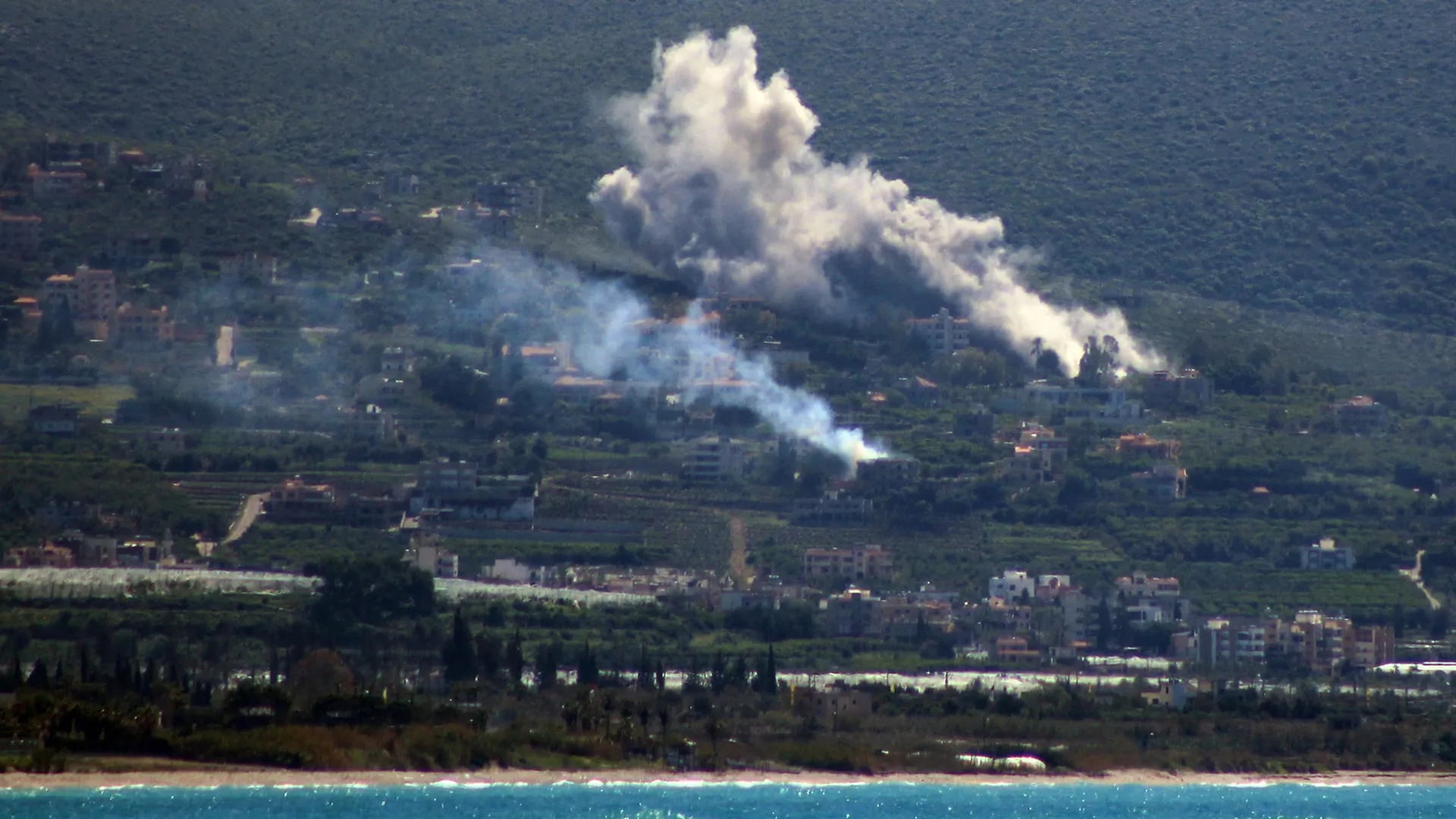
The global community watches with profound concern as a vital medical facility in Tyre, southern Lebanon, has reportedly been struck five times since the onset of the latest escalation in hostilities. This alarming pattern of attacks on a hospital, a sanctuary meant for healing and care, underscores the devastating human cost of ongoing conflict and raises critical questions about the protection of healthcare infrastructure in war zones. Each strike not only inflicts physical damage but also erodes the fragile lifeline of medical support for a population already grappling with the immense pressures of displacement, insecurity, and economic hardship. The repeated targeting of such a crucial institution jeopardizes the lives of patients, endangers medical personnel, and cripples the region's ability to respond to a burgeoning humanitarian crisis, demanding immediate international attention and a robust commitment to upholding the principles of medical neutrality.
Southern Lebanon has become a focal point in the escalating cross-border exchanges between Israeli forces and various armed groups, transforming once-peaceful communities into active conflict zones. The broader context of these attacks is rooted in a long-standing regional tension that has seen a significant uptick in military operations, particularly following recent events in the wider Middle East. As Israeli forces reportedly advance further into the region, the civilian population finds itself caught in the crossfire, with essential services, including healthcare, bearing the brunt of the violence. Homes are abandoned, livelihoods are disrupted, and the specter of further escalation looms large over an already vulnerable populace. The relentless nature of these hostilities has led to widespread displacement, with thousands seeking refuge away from the border areas, placing immense strain on host communities and humanitarian aid networks. The targeting of a hospital in this environment is not merely an isolated incident but a stark indicator of the profound and systemic challenges to civilian protection in a rapidly deteriorating security landscape.
The direct toll on the Tyre hospital, a cornerstone of public health in southern Lebanon, is multifaceted and severe. Five separate impacts signify not just superficial damage but potentially catastrophic structural compromise, rendering parts of the facility unusable and unsafe. Such repeated strikes disrupt critical medical services, from emergency care and surgical operations to routine consultations and chronic disease management, leaving countless patients without access to life-saving treatments. The psychological burden on medical staff, who continue to work under constant threat, is immense; their dedication is tested daily by the imperative to save lives amidst the very real danger to their own. Maintaining sterile environments, ensuring a consistent power supply, and securing essential medicines and equipment become Herculean tasks when the facility itself is under attack. Beyond the immediate physical damage, the fear instilled by these incidents can deter patients from seeking necessary care, further exacerbating health outcomes for the community. The ripple effect extends throughout the local health system, as other facilities, already stretched thin, must absorb the overflow of patients from a compromised hospital, often lacking the resources to do so effectively.
International humanitarian law (IHL) unequivocally mandates the protection of medical facilities, personnel, and transport in times of armed conflict. The Geneva Conventions, foundational to IHL, explicitly designate hospitals as protected objects, provided they are not being used for acts harmful to the enemy. Attacks on such facilities, when not justified by strict military necessity and proportionality, can constitute grave breaches of international law, potentially amounting to war crimes. The universal condemnation of targeting healthcare is a cornerstone of civilized warfare, reflecting a shared understanding that access to medical care is a fundamental human right, even in the midst of conflict. International bodies such as the United Nations, the World Health Organization (WHO), and the International Committee of the Red Cross (ICRC) consistently call for strict adherence to these principles, urging all parties to conflict to respect medical neutrality and ensure the safety of healthcare providers and patients. The repeated nature of the attacks on the Tyre hospital serves as a grave reminder of the urgent need for accountability and for all belligerents to uphold their obligations under international law, ensuring that medical facilities remain sanctuaries of healing, not targets of war.
The humanitarian response to such egregious attacks is fraught with immense difficulties. Aid organizations face significant challenges in delivering essential supplies, personnel, and support to areas under active bombardment, with their own safety often at risk. Roads may be impassable, supply lines disrupted, and the constant threat of further violence makes sustained operations incredibly complex. The global implications of these attacks extend far beyond the immediate conflict zone. When healthcare is deliberately targeted, it sets a dangerous precedent, eroding the very fabric of international norms and undermining the universal principle that medical care should be accessible and protected for all, regardless of circumstance. This incident in Tyre is not isolated; it resonates with a disturbing global trend where hospitals and medical workers are increasingly caught in the crosshairs of conflict, from Ukraine to Gaza and Sudan. Nivaran Foundation stands firm in its commitment to advocating for the inviolability of healthcare, working tirelessly to raise awareness and mobilize support for the protection of medical facilities and personnel in every conflict-affected region, emphasizing that the right to health must never be compromised by the exigencies of war.
The repeated targeting of the Tyre hospital represents a profound humanitarian crisis and a severe breach of international humanitarian law. It underscores the urgent need for an immediate de-escalation of hostilities in southern Lebanon and a renewed, unwavering commitment from all parties to protect civilian infrastructure, especially medical facilities. Hospitals are not battlegrounds; they are places of healing, hope, and humanity. The international community must exert maximum pressure to ensure accountability for these attacks and to safeguard the lives of countless individuals who depend on these vital services. The universal right to health demands that medical facilities remain neutral ground, respected and protected, allowing healthcare professionals to fulfill their life-saving mission without fear of violence. The continued operation of the Tyre hospital, despite the immense challenges, stands as a testament to the resilience of its staff and the enduring human spirit, but it is a resilience that should not be tested by repeated and unlawful attacks.
Support Nivaran Foundation's global efforts to safeguard healthcare access and protect medical facilities in conflict zones worldwide.
Talk to Nivaran Global