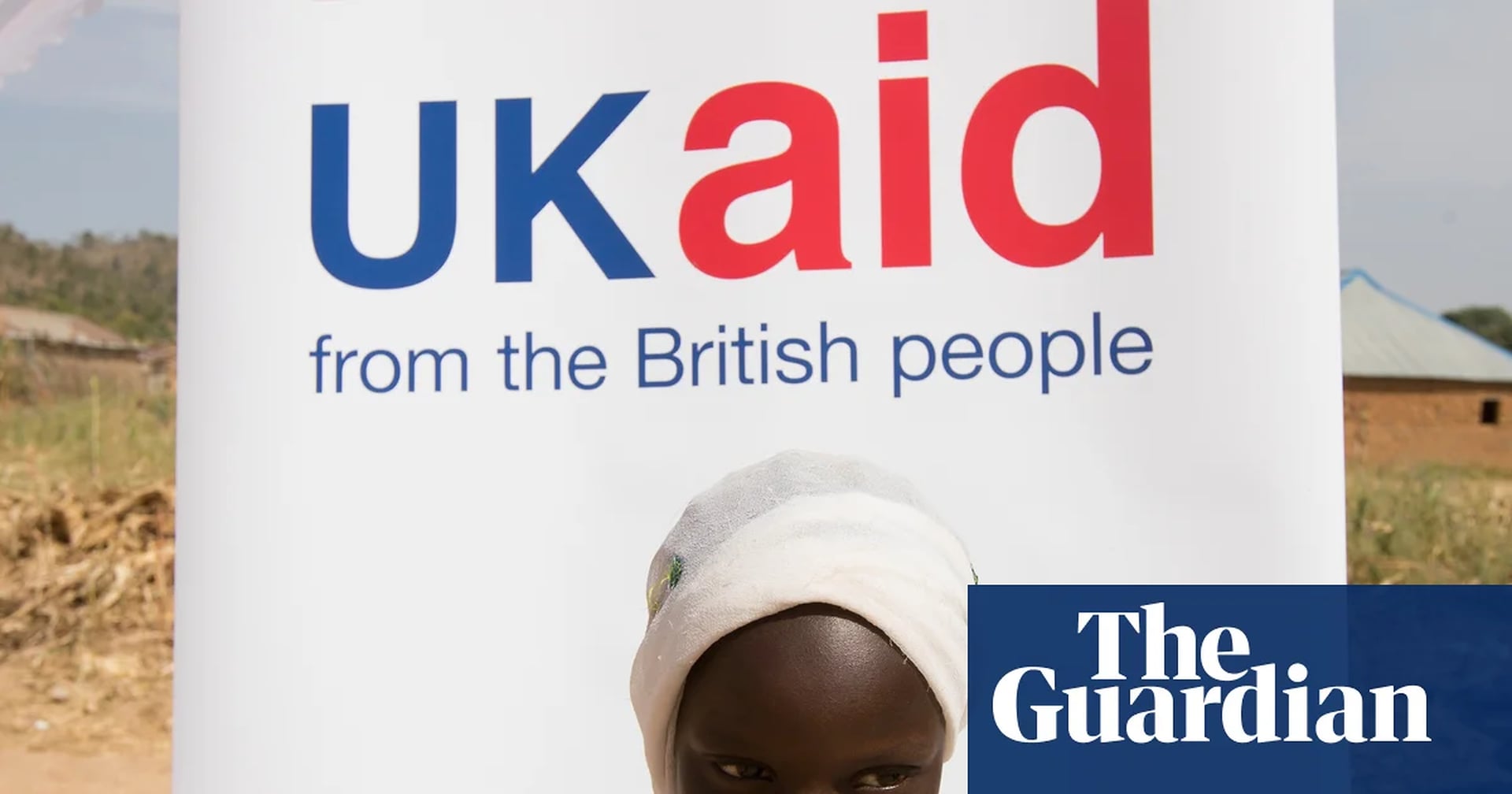
The global development landscape is bracing for significant repercussions as the United Kingdom embarks on a substantial reduction of its foreign aid budget. This strategic shift, driven by domestic fiscal priorities and a reallocation of funds towards defense spending, is poised to inflict severe setbacks on vital health and education programs across some of the world’s most impoverished nations, particularly within Africa. The decision signals a profound departure from long-standing commitments and threatens to unravel years of progress in improving living standards and fostering human development.
At the heart of this policy change is a staggering cut of nearly £900 million to the UK’s bilateral aid directed towards Africa by the fiscal year 2028-29. This figure represents a precipitous 56% reduction in direct funding, forming part of a broader package of more than £6 billion in overall aid cuts. These funds, previously earmarked for critical development initiatives, are now being redirected to bolster defense expenditure. While national security remains a paramount concern for any sovereign state, the implications of financing it at the expense of global health and education are far-reaching and potentially catastrophic for vulnerable populations. Bilateral aid, unlike multilateral contributions, directly funds specific projects and programs on the ground, meaning these cuts will have an immediate and tangible impact on the daily lives of millions.
The direct consequences for health initiatives are particularly alarming. In many low-income African countries, UK aid has been a lifeline for public health systems, supporting everything from basic clinic operations to complex disease eradication efforts. The impending cuts mean reduced funding for essential medicines, medical supplies, and the maintenance of crucial healthcare infrastructure. Clinics, already struggling with limited resources, may face further constraints, leading to shortages of vital drugs, diagnostic tools, and even basic hygiene supplies. Furthermore, the capacity to train and retain healthcare personnel, including doctors, nurses, and community health workers, will be severely hampered. This could result in fewer trained professionals in areas where they are most desperately needed, exacerbating existing staffing crises and diminishing the quality of care available.
Beyond immediate clinical services, these reductions will undermine critical public health campaigns. Vaccination programs, which have made immense strides in combating preventable diseases like polio, measles, and diphtheria-tetanus-pertussis (DTP) in Africa, rely heavily on consistent international funding. Cuts could lead to gaps in coverage, leaving millions of children susceptible to deadly infections. Similarly, initiatives for malaria prevention and treatment, including the distribution of insecticide-treated bed nets and access to antimalarial drugs, will suffer. Programs addressing HIV/AIDS, tuberculosis, and maternal and child health—such as prenatal care, safe delivery services, and postnatal support—are also at grave risk. The long-term effect will be an increase in preventable diseases, higher mortality rates, and an overwhelming strain on already fragile health systems, ultimately reversing hard-won gains in public health.
The education sector faces an equally dire outlook. For years, UK aid has played a pivotal role in expanding access to quality education across Africa, funding the construction and renovation of schools, providing essential learning materials, and supporting teacher training and salaries. With these cuts, the progress made in getting more children into classrooms, particularly girls and those from marginalized communities, is now jeopardized. School construction projects may be halted, existing facilities could fall into disrepair, and the provision of textbooks and other vital educational resources will diminish. The impact on teacher support is particularly concerning; reduced funding could lead to fewer qualified teachers, lower salaries, and a decline in professional development opportunities, directly affecting the quality of instruction.
Furthermore, programs aimed at early childhood development, foundational for lifelong learning, and vocational training initiatives, crucial for equipping young people with employable skills, will also face severe constraints. The ripple effect of diminished educational opportunities is profound: lower literacy rates, reduced critical thinking skills, and a less prepared workforce. This not only traps individuals in cycles of poverty but also undermines the long-term economic development prospects of entire nations. The promise of a brighter future for millions of young Africans, built on the foundation of education, risks being eroded by these budgetary decisions.
The broader implications extend far beyond individual health and education outcomes, posing significant setbacks to global development and stability. These aid cuts directly undermine the spirit and objectives of the United Nations Sustainable Development Goals (SDGs), particularly SDG 3 (Good Health and Well-being) and SDG 4 (Quality Education). By withdrawing support from these fundamental pillars of human development, the UK risks exacerbating existing vulnerabilities in regions already grappling with climate change impacts, food insecurity, and economic instability. A less healthy and less educated populace is inherently more susceptible to crises, less resilient to shocks, and less capable of contributing to national or global economies. This can, in turn, fuel social unrest, increase migratory pressures, and create environments ripe for instability, ironically creating new challenges that may ultimately require more costly interventions.
The UK has historically been a significant contributor to international development, often lauded for its commitment to the 0.7% of Gross National Income (GNI) target for foreign aid. This recent shift represents a significant departure from that commitment and raises profound questions about the moral and ethical responsibilities of developed nations towards the world's most vulnerable. International aid is not merely charity; it is an investment in shared global prosperity, security, and stability. By fostering health and education in developing countries, donor nations contribute to a more equitable world, reduce the likelihood of future humanitarian crises, and cultivate future trading partners and allies. The perception of the UK on the global stage, as a leader in development, is undeniably impacted by these decisions.
As the Nivaran Foundation's global desk, we emphasize that the consequences of these aid cuts are not abstract numbers but represent real human suffering and missed opportunities for progress. The withdrawal of critical funding for health and education programs in Africa will have a devastating and lasting impact on millions, undermining decades of concerted effort and investment. It is imperative that the global community remains vigilant and advocates for sustained international commitment to these vital sectors. The well-being of the world's most vulnerable populations is a collective responsibility, and neglecting it carries a heavy price, not just for those directly affected, but for the interconnected fabric of global society.
Support Nivaran Foundation's efforts to champion global health and education, ensuring vital services reach vulnerable communities worldwide.
Talk to Nivaran Global