
In a move that has sent ripples of concern across international development and human rights circles, the UK Home Office has implemented a policy blocking new study visas for applicants from Afghanistan, Sudan, Myanmar, and Cameroon. This decision, enacted in March 2026, has been met with widespread dismay, particularly for the countless women in these nations who view higher education as their only pathway to empowerment, safety, and the opportunity to contribute meaningfully to their communities. For many, this policy represents not just a bureaucratic hurdle, but the shattering of life-altering dreams and a stark setback for global gender equality.
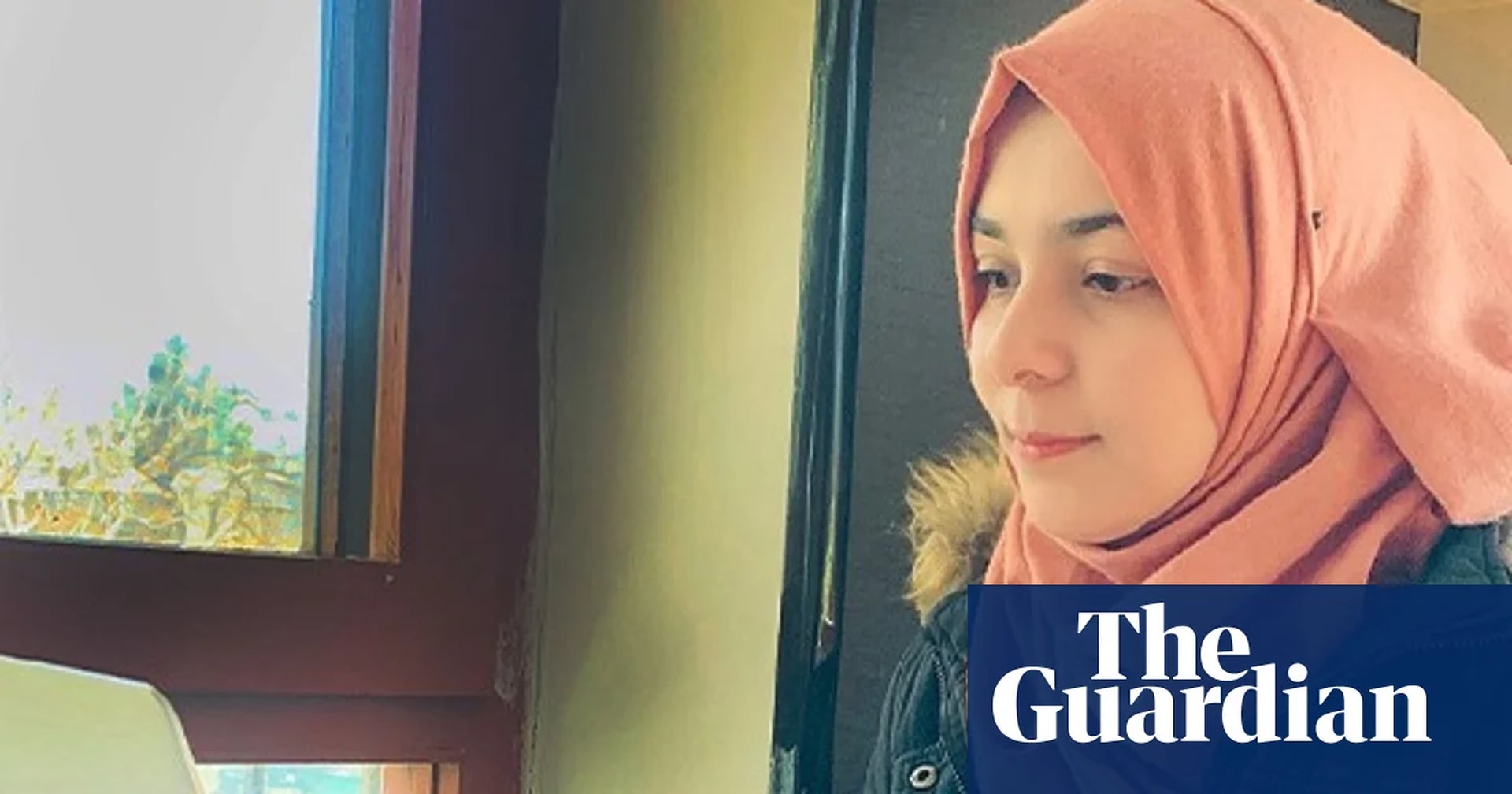
The immediate impact of this policy is perhaps best encapsulated by the story of Shahira Sadat, an Afghan software engineer with a keen interest in artificial intelligence and its potential to bridge the education gender gap and digital exclusion. Sadat, a mother-of-one, had recently received an invitation to interview for the highly coveted Chevening scholarship, a UK government-funded program designed to cultivate future leaders from around the world. Her joy, she recalls, was immense, a rare beacon of hope in a country where women's rights and access to education have been systematically dismantled under Taliban rule. The scholarship offered her the chance to pursue a master's degree in the UK, acquire advanced skills, and return to apply her expertise to benefit generations of Afghan women, including her own daughter. Yet, this dream, shared by many, now hangs in jeopardy, a casualty of a policy that critics argue aligns the UK with the very regimes it purports to oppose.
The Chevening scholarship program is globally recognized for its commitment to fostering leadership and development. It provides fully funded opportunities for individuals to pursue postgraduate studies in the UK, equipping them with knowledge and networks to drive positive change in their home countries. For women from nations grappling with conflict, instability, and gender-based discrimination, these scholarships are more than academic pursuits; they are lifelines. They offer an escape from oppressive environments, access to world-class education, and the chance to develop skills crucial for rebuilding their societies. The Home Office's blanket ban, however, disregards these profound individual and collective benefits, effectively closing a vital door for those who need it most.
The comparison drawn by some critics – that the ‘UK is saying the same thing as the Taliban’ – is stark and deeply troubling. In Afghanistan, the Taliban's edicts have systematically stripped women and girls of their fundamental right to education, barring them from schools and universities. To see a democratic nation like the UK, a staunch advocate for human rights and gender equality on the international stage, implement a policy that similarly curtails women's access to education, albeit through different means, is perceived as a profound moral contradiction. This policy, regardless of its stated intent, inadvertently reinforces the very barriers that women in these vulnerable nations are desperately trying to overcome, undermining years of international efforts to promote inclusive education and empowerment.
The implications extend far beyond individual aspirations. Denying highly motivated and capable women from countries like Afghanistan, Sudan, Myanmar, and Cameroon access to advanced education represents a significant loss for global development. These are nations in dire need of skilled professionals, innovators, and leaders to address complex challenges ranging from post-conflict reconstruction and humanitarian crises to technological advancement and social reform. Shahira Sadat’s ambition to use AI to reduce the education gender gap exemplifies the kind of transformative potential being stifled. By preventing such individuals from acquiring specialized knowledge and skills, the UK policy inadvertently deprives these countries of critical human capital, hindering their long-term stability and progress. It is a policy that risks exacerbating existing inequalities and slowing the pace of sustainable development in some of the world's most fragile regions.
Furthermore, the policy raises questions about the UK's commitment to its own foreign policy objectives, which often emphasize support for education, democratic values, and the empowerment of women globally. By shutting its doors to these aspiring leaders, the UK risks alienating potential allies and undermining its soft power. The message conveyed is one of exclusion rather than collaboration, potentially fostering resentment and mistrust among populations that look to international partners for support and opportunity. This is particularly poignant for the Chevening scholarship, which is explicitly designed to build bridges and foster positive relationships between the UK and future global leaders.
The decision also overlooks the unique circumstances and vulnerabilities of women in these specific countries. In Afghanistan, women's public lives have been severely restricted, making opportunities like the Chevening scholarship not just educational but also a pathway to personal autonomy and safety. In Sudan, Myanmar, and Cameroon, ongoing conflicts and political instability create environments where educational opportunities are scarce and often dangerous. For women in these contexts, leaving their home countries to pursue higher education is often a courageous act of resilience, a testament to their unwavering belief in the power of knowledge. The UK's policy, therefore, disproportionately impacts those who are already marginalized and facing immense hardship, effectively punishing them for circumstances beyond their control.
There is a growing chorus of voices, including students directly affected by the ban, challenging the Home Office's decision. They argue that the policy is not only discriminatory but also counterproductive to the broader goals of international cooperation and humanitarian aid. The argument is simple: education is a universal right and a powerful tool for peace and progress. To deny it to those who are most in need, and who have demonstrated the capacity and drive to utilize it for the betterment of their societies, is a profound misstep. It is a policy that fails to recognize the immense potential within these individuals and the positive ripple effect their education could have on their communities and the world.
As the global community grapples with complex geopolitical challenges, fostering international collaboration and investing in human capital, particularly in vulnerable populations, remains paramount. Policies that restrict access to education, especially for women in conflict-affected regions, run contrary to these fundamental principles. The UK, historically a leader in international education and development, has an opportunity to reconsider this policy, upholding its values and reaffirming its commitment to empowering future generations, regardless of their origin. The dreams of individuals like Shahira Sadat, and countless others, represent not just personal aspirations, but the collective hope for a more educated, equitable, and stable world.
Support Nivaran Foundation's work advocating for equitable global access to education and opportunity for all.
Talk to Nivaran Global