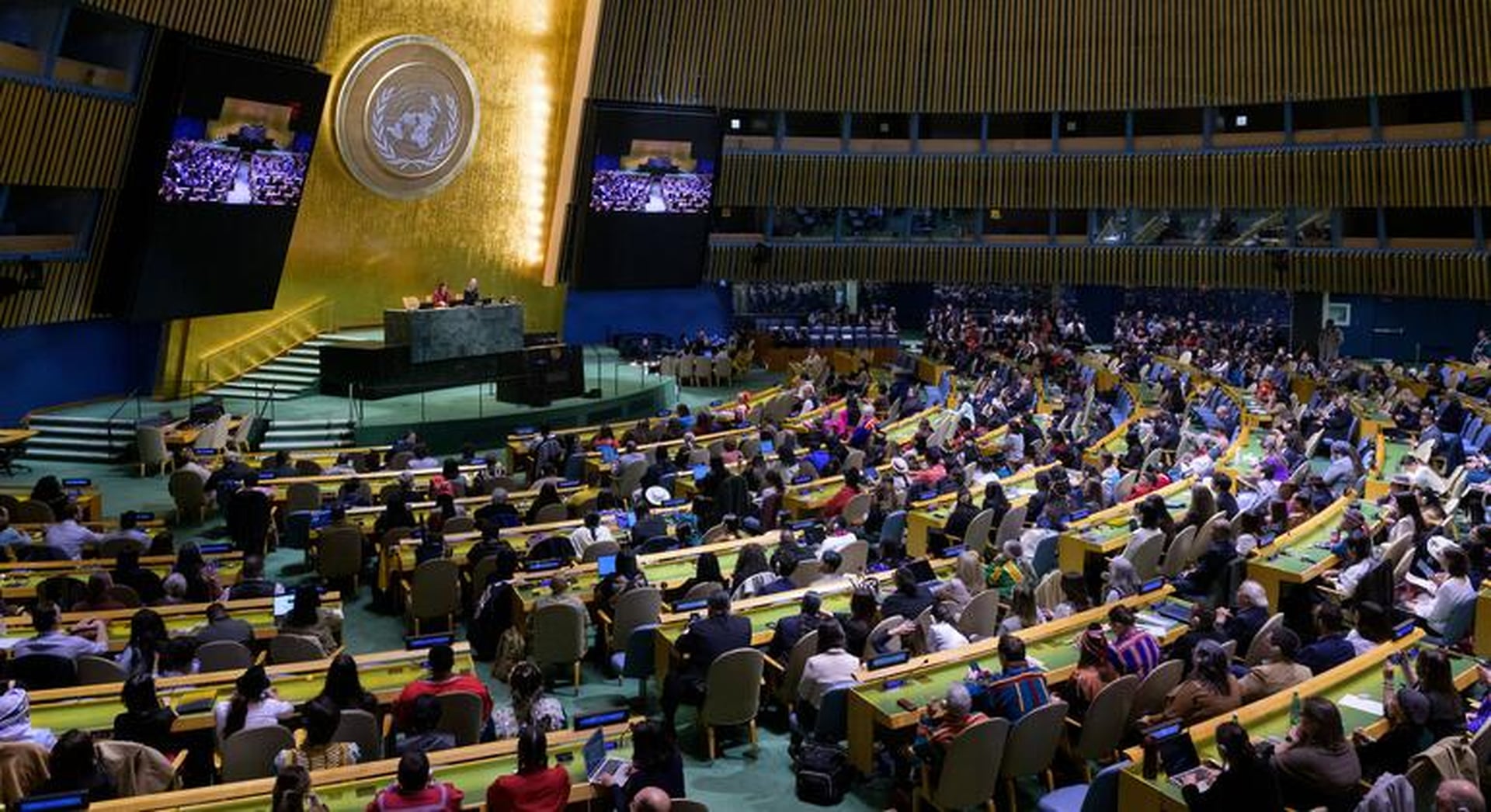
The global community has recently converged at United Nations Headquarters in New York for a pivotal forum dedicated to addressing the profound healthcare disparities faced by Indigenous Peoples worldwide, with a critical focus on the exacerbated challenges encountered in zones of conflict. This significant gathering underscores a growing international recognition of the urgent need to safeguard the well-being of these historically marginalized communities, whose fundamental right to health is frequently imperiled by systemic neglect, discrimination, and the devastating impacts of armed hostilities. The discussions highlight that for millions of Indigenous individuals, access to even basic medical care remains a distant aspiration, a reality made starker when their ancestral lands become battlegrounds.
Indigenous Peoples, numbering over 476 million across 90 countries, represent a rich tapestry of cultures, languages, and traditional knowledge. Yet, despite their immense contributions to global biodiversity and cultural heritage, they disproportionately bear the brunt of global health inequities. Decades, and indeed centuries, of colonialism, dispossession, and forced assimilation have left a legacy of systemic discrimination that permeates healthcare systems. This results in inadequate funding for Indigenous health services, a severe shortage of culturally competent healthcare providers, and geographical isolation that often renders modern medical facilities inaccessible. Even in times of peace, Indigenous communities frequently experience poorer health outcomes compared to non-Indigenous populations, with higher rates of chronic diseases, infectious illnesses, and mental health conditions, often linked to social determinants of health such as poverty, lack of education, and environmental degradation.
A critical dimension explored at the UN forum is the imperative for healthcare systems to embrace cultural sensitivity and integrate traditional healing practices. For many Indigenous communities, health is a holistic concept, encompassing spiritual, mental, emotional, and physical well-being, deeply intertwined with their connection to land, culture, and community. Western biomedical models, often delivered without regard for these intricate cultural frameworks, can alienate Indigenous patients, leading to mistrust, misdiagnosis, and ineffective treatment. The forum emphasized that effective healthcare for Indigenous Peoples must be co-designed with them, respecting their traditional medicines, languages, and worldviews, thereby fostering trust and ensuring care that is not only clinically sound but also culturally appropriate and empowering.
The onset of armed conflict introduces an additional, catastrophic layer of vulnerability. When violence erupts, Indigenous communities are frequently among the first and most severely affected. Their traditional territories, often rich in natural resources, can become strategic targets, leading to forced displacement, the destruction of homes and livelihoods, and the severing of vital connections to land and cultural heritage. This displacement not only disrupts social structures but also cuts off access to traditional food sources and medicinal plants, further compromising health and well-being. The forum heard harrowing accounts of how conflict systematically dismantles the already fragile healthcare infrastructure available to Indigenous populations.
The health impacts of conflict on Indigenous Peoples are multifaceted and devastating. Mental health trauma, including post-traumatic stress disorder, anxiety, and depression, becomes pervasive as individuals witness violence, lose loved ones, and endure prolonged periods of insecurity. Women and girls are particularly susceptible to gender-based violence, including sexual assault, which carries severe physical and psychological consequences and often goes unreported due to fear and lack of accessible support systems. Furthermore, conflict zones are breeding grounds for infectious diseases, as sanitation systems collapse, access to clean water diminishes, and vaccination programs are disrupted. Chronic diseases, such as diabetes and heart conditions, which are already prevalent in many Indigenous communities, become unmanageable without consistent access to medication and medical oversight, leading to preventable complications and deaths.
Access to humanitarian aid, a lifeline in conflict situations, is often severely hampered for Indigenous communities. Their remote locations, linguistic diversity, and distinct cultural practices can pose significant barriers for mainstream humanitarian organizations. Aid efforts, frequently designed with a one-size-fits-all approach, may fail to reach or adequately serve Indigenous populations, who might also face discrimination or suspicion from dominant groups controlling aid distribution. The forum highlighted the urgent need for humanitarian actors to develop culturally informed strategies, engage Indigenous leaders, and support Indigenous-led initiatives to ensure equitable and effective delivery of assistance.
The United Nations forum serves as a crucial platform for galvanizing international action and fostering collaboration among governments, Indigenous organizations, civil society, and UN agencies. Its primary objective is to translate awareness into tangible policy changes and practical interventions. Discussions have centered on strengthening legal protections for Indigenous Peoples in conflict, ensuring their participation in peace processes, and allocating dedicated resources for their health needs. The forum advocates for a human rights-based approach, affirming that the right to health, as enshrined in international law, applies equally and without discrimination to Indigenous individuals, even amidst the chaos of war.
Key discussions at the forum have delved into several critical areas. These include the imperative of Indigenous self-determination in health, meaning that Indigenous communities must have the authority and resources to design, manage, and deliver their own health services. Participants also emphasized the need for robust, disaggregated data collection to accurately reflect the health status and needs of diverse Indigenous populations, particularly in conflict-affected regions, as current data often masks the true extent of disparities. Furthermore, innovative funding mechanisms that directly support Indigenous-led health initiatives and long-term capacity building were extensively debated, moving beyond short-term emergency responses.
Empowering Indigenous voices and leadership is paramount. The principle of "nothing about us without us" resonated strongly throughout the proceedings. True progress in Indigenous health can only be achieved when Indigenous Peoples themselves are at the forefront of identifying problems, developing solutions, and implementing programs. This involves recognizing and supporting Indigenous governance structures, traditional knowledge holders, and community health workers who are often the first responders and most trusted providers of care within their communities. Their deep understanding of local contexts, cultural nuances, and traditional healing practices is invaluable.
The integration of traditional knowledge and healing practices into contemporary healthcare frameworks was a recurring theme. Many Indigenous cultures possess sophisticated systems of medicine, spiritual healing, and community support that have sustained them for millennia. These practices, when respected and integrated appropriately, can offer culturally relevant and effective avenues for health and healing, particularly for mental health and trauma recovery. The forum explored models where traditional healers work alongside modern medical professionals, creating a more holistic and acceptable continuum of care for Indigenous patients.
A significant challenge highlighted was the persistent data gap. The lack of reliable, disaggregated data on Indigenous health, especially within conflict zones, makes it exceedingly difficult to assess needs accurately, allocate resources effectively, and monitor progress. Without this data, Indigenous health issues remain largely invisible to policymakers and international aid organizations. The forum called for investments in Indigenous-led data collection initiatives that are culturally appropriate and respect Indigenous data sovereignty, ensuring that information is gathered and used in ways that benefit the communities themselves.
Sustained international cooperation and dedicated funding are indispensable for addressing these complex challenges. Governments and international donors must move beyond ad hoc projects and commit to long-term, predictable funding streams that empower Indigenous communities to build resilient health systems. This includes supporting infrastructure development, training Indigenous healthcare professionals, and ensuring access to essential medicines and technologies. The forum emphasized that investing in Indigenous health is not merely an act of charity but a strategic investment in global health equity, human rights, and sustainable development.
Furthermore, the discussions underscored the importance of robust legal and policy frameworks. International instruments such as the UN Declaration on the Rights of Indigenous Peoples provide a foundational framework for advocating for Indigenous health rights. National governments are urged to align their domestic laws and policies with these international standards, ensuring legal recognition of Indigenous Peoples' rights to self-determination in health, land, and culture. These legal protections are vital, especially in conflict situations, to prevent human rights abuses and ensure accountability.
Looking beyond immediate crisis response, the forum stressed the need for long-term solutions that address the root causes of both health inequities and conflict. This includes tackling systemic racism, promoting economic justice, protecting Indigenous lands and environments, and fostering inclusive governance. Sustainable peace and genuine health equity for Indigenous Peoples are inextricably linked; one cannot be achieved without the other. The global community must commit to a holistic approach that recognizes the interconnectedness of these issues.
In conclusion, the UN forum on Indigenous Peoples' healthcare, particularly in conflict settings, serves as a powerful reminder of the profound injustices that persist and the urgent need for collective action. Ensuring that Indigenous Peoples have equitable access to quality, culturally appropriate healthcare is not merely a humanitarian concern but a fundamental human rights imperative. The path forward demands unwavering political will, substantial financial investment, and, most importantly, the meaningful engagement and empowerment of Indigenous Peoples themselves, to build a future where their health and well-being are secured, even in the most challenging circumstances.
Support Nivaran Foundation's global initiatives to advocate for health equity and protect vulnerable communities worldwide.
Talk to Nivaran Global