
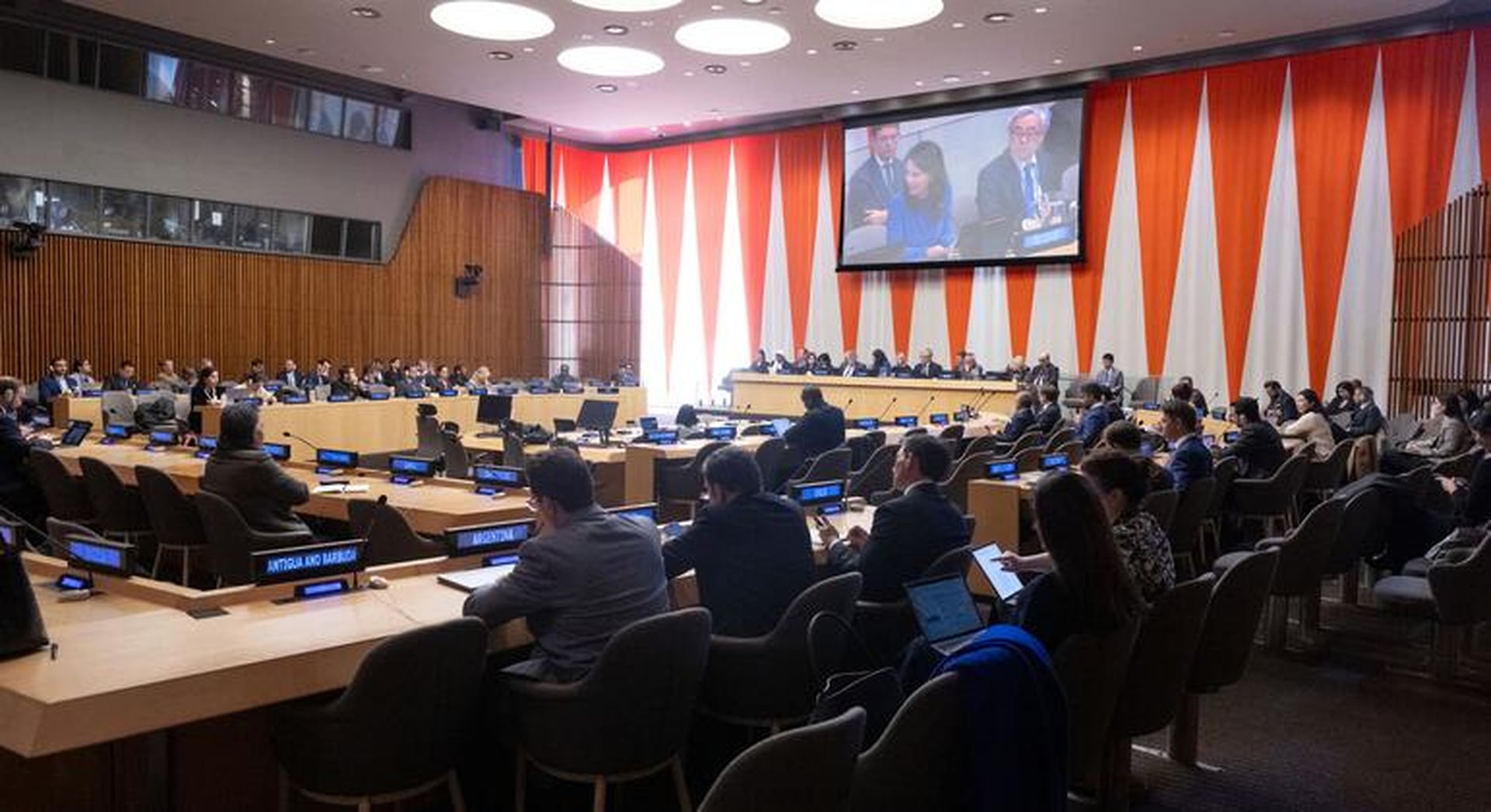
The United Nations is embarking on a significant transformation as its UN80 reform initiative moves into a critical 'delivery phase,' with Member States actively reviewing progress on key work areas. This ambitious undertaking, designed to modernize and enhance the effectiveness of the global body, saw top officials provide comprehensive updates on a range of proposals. Central to these discussions was an initial assessment of a potential merger between the UN's dedicated gender equality agency, UN Women, and the UN reproductive health agency, UNFPA, alongside crucial advancements in technology and data tracks.
This period of introspection and strategic realignment comes as the United Nations approaches its 80th anniversary, prompting a concerted effort to ensure its structures and operations are optimally suited to address the complex challenges of the 21st century. The UN80 initiative is fundamentally about fostering greater coherence, efficiency, and impact across the UN system, ensuring it remains a relevant and powerful force for peace, development, and human rights. The proposals under review are not merely administrative adjustments but represent a strategic pivot towards a more integrated and agile multilateral framework, particularly vital for accelerating progress on the Sustainable Development Goals (SDGs).
The proposed consolidation of UN Women and UNFPA represents one of the most significant structural considerations within the UN80 agenda. Both agencies operate with mandates that, while distinct, are deeply intertwined, particularly concerning the health and well-being of women and girls globally. UN Women champions gender equality and the empowerment of women, working to eliminate discrimination and violence, and to ensure women's full participation in all spheres of life. UNFPA, on the other hand, focuses on sexual and reproductive health and rights, ensuring access to family planning, safe childbirth, and comprehensive sexuality education, while also addressing gender-based violence and harmful practices.
The rationale behind exploring such a merger is multifaceted. Proponents argue that combining these two powerful entities could unlock significant synergies, leading to more streamlined programming, reduced administrative overheads, and a stronger, more unified voice on issues critical to women's health and equality. By integrating their efforts, the merged entity could potentially deliver more comprehensive and impactful interventions on the ground, addressing the interconnected challenges of gender inequality and reproductive health with greater efficiency. This could translate into better resource utilization, allowing more funds to reach beneficiaries directly, and fostering a more holistic approach to development challenges that disproportionately affect women and girls.
However, the path to such a merger is not without its complexities and considerations. Both UN Women and UNFPA possess distinct organizational cultures, historical legacies, and established networks of partnerships. A successful integration would require careful navigation to ensure that the unique strengths and specialized expertise of each agency are preserved and amplified, rather than diluted. Concerns may arise regarding the potential for one mandate to overshadow the other, or for the specific needs of sexual and reproductive health to be subsumed within broader gender equality frameworks, or vice versa. Member States, civil society organizations, and other stakeholders will be keen to ensure that any consolidation strengthens, rather than weakens, the UN's capacity to deliver on both gender equality and reproductive health outcomes. The initial assessment, therefore, is crucial for identifying potential benefits, mitigating risks, and charting a viable path forward that garners broad support and ensures continued, robust advocacy for these critical areas.
Beyond structural reforms, the UN80 initiative is placing a strong emphasis on leveraging technology and data to enhance the UN's operational effectiveness and programmatic impact. In an increasingly digital world, the ability to harness cutting-edge technology and robust data analytics is paramount for informed decision-making, efficient resource allocation, and targeted interventions. The updates on the technology track highlighted efforts to modernize the UN's digital infrastructure, improve cybersecurity, and explore the ethical deployment of emerging technologies like artificial intelligence and blockchain for development purposes.
For global health, advancements in technology and data hold transformative potential. Improved data collection and analysis can lead to more accurate disease surveillance, better understanding of health disparities, and more effective public health campaigns. Telemedicine and digital health platforms can extend healthcare access to remote and underserved populations, while data-driven insights can optimize supply chains for essential medicines and vaccines. Similarly, in education, technology can bridge learning gaps through remote education platforms, personalize learning experiences, and provide real-time data on student progress and educational outcomes. The UN's focus here is on building a robust digital ecosystem that supports Member States in achieving health and education targets, ensuring that technological progress serves as an equalizer, not a divider.
The data track, closely linked to technology, focuses on strengthening the UN's capacity to collect, analyze, and disseminate high-quality, disaggregated data. This is critical for monitoring progress on the SDGs, identifying vulnerable populations, and ensuring that no one is left behind. By improving data governance, enhancing statistical capacities, and promoting data sharing, the UN aims to provide Member States with the evidence base needed to formulate effective, equitable policies. This includes developing common data standards, fostering innovation in data collection methodologies, and ensuring data privacy and ethical use, all while striving for greater transparency and accessibility.
These ongoing discussions underscore the dynamic nature of multilateralism and the continuous need for adaptation. The UN80 initiative is not merely about incremental changes but about a fundamental re-imagining of how the United Nations can best serve humanity in a rapidly evolving global landscape. The 'delivery phase' signifies a shift from conceptualization to concrete action, with Member States playing a pivotal role in shaping the future direction of these reforms. Their collective wisdom, political will, and commitment to shared global goals will be instrumental in translating these proposals into tangible improvements for people worldwide.
As the world grapples with persistent health crises, educational disparities, and the overarching challenge of achieving sustainable development, the outcomes of the UN80 initiative hold profound implications. The potential merger of UN Women and UNFPA, coupled with a sharpened focus on technology and data, represents a strategic effort to create a more integrated, efficient, and impactful United Nations. The global community watches keenly as these critical reforms progress, anticipating a more robust and responsive multilateral system capable of addressing the complex demands of our interconnected world and delivering on its promise of a better future for all.
Support Nivaran Foundation's global health and education initiatives, amplifying the impact of crucial reforms like those discussed in this article.
Talk to Nivaran Global