
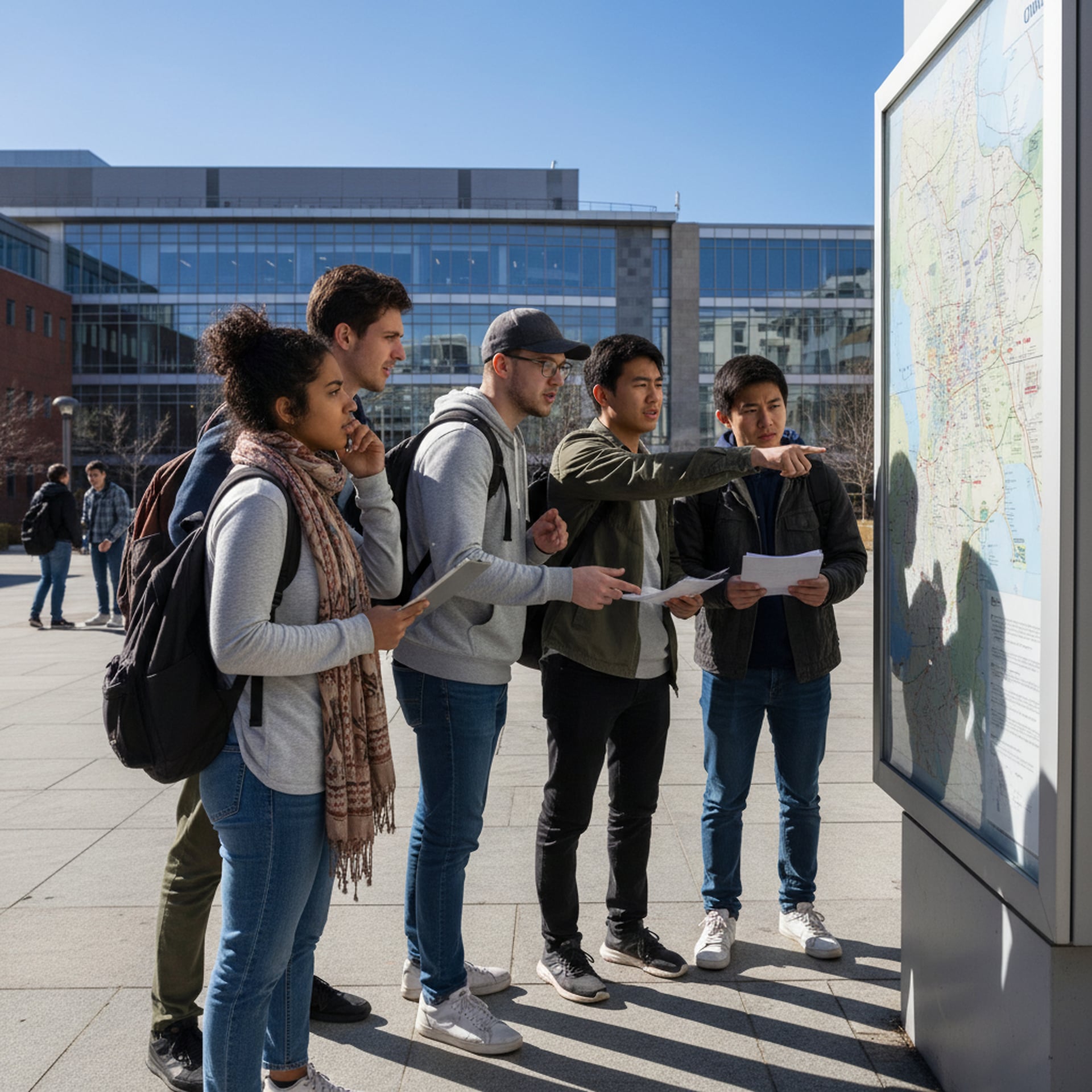
The landscape of international higher education has undergone a significant transformation, particularly in the United States, where a concerted effort by the Trump administration to reduce the influx of foreign students has had profound and far-reaching consequences. This campaign, initially perceived to target only a select few elite institutions, has in reality cast a wide net, impacting colleges and universities across the academic spectrum and sending ripples through the global education ecosystem. The decline in international student enrollment is not merely a statistical blip; it represents a fundamental shift in global talent mobility and a substantial financial challenge for institutions that have long relied on the diverse perspectives and economic contributions of students from abroad. This trend underscores a broader reevaluation of international education policies and their intricate connection to national economies and global intellectual exchange.
At the heart of this decline lies a series of policy changes and an accompanying rhetoric that fostered an environment of uncertainty and, for many, unwelcomeness. The administration implemented stricter visa regulations, increased scrutiny during application processes, and introduced travel bans that, while often temporary or later modified, created a chilling effect. These measures were frequently accompanied by public statements and administrative actions that conveyed a less hospitable stance towards immigrants and international visitors, including students. For prospective students and their families navigating complex application procedures from thousands of miles away, the perceived risk of investing significant time and resources into a US education, only to face potential denial or an unwelcoming atmosphere upon arrival, became a formidable deterrent. This perception, amplified by global media coverage, led many to reconsider the United States as their primary destination for higher learning, prompting a search for more stable and welcoming alternatives.
The economic repercussions for American higher education institutions have been substantial and are increasingly difficult to ignore. International students, particularly those pursuing undergraduate and graduate degrees, often pay full tuition fees, which are significantly higher than those paid by domestic students, thereby serving as a crucial revenue stream for many universities. The sudden and sustained drop in enrollment has translated directly into budget shortfalls, forcing institutions to make difficult financial decisions. Many colleges, especially those without vast endowments, have found themselves grappling with unexpected deficits, leading to program cuts, reductions in academic and support staff, and a general tightening of belts. This financial strain is not confined to a few prominent universities but is felt acutely by smaller regional colleges and state university systems that had increasingly relied on international student tuition to offset declining state funding and stabilize their financial health. The loss of these funds jeopardizes academic offerings, research initiatives, and the overall quality of education for all students, domestic and international alike.
Beyond the immediate financial impact, the shift in international student mobility carries significant global implications, reshaping the competitive landscape of higher education worldwide. As the United States became a less attractive option, other nations swiftly moved to fill the void, actively courting international students with streamlined visa processes, attractive scholarship opportunities, and welcoming immigration policies. Countries like Canada, the United Kingdom, Australia, and various European nations, along with emerging educational hubs in Asia, have seen a surge in applications and enrollments from students who might otherwise have chosen American universities. This redirection of talent represents a substantial brain gain for these host countries, enriching their academic environments, boosting their economies, and fostering greater international collaboration. Conversely, for the United States, it signifies a potential brain drain, as future innovators, researchers, and leaders opt to pursue their education and careers elsewhere, diminishing America's long-standing leadership in scientific discovery and technological advancement.
The broader consequences extend to the realms of research, innovation, and global soft power. International students are not just tuition payers; they are vital contributors to university research labs, particularly in STEM fields, often forming the backbone of graduate-level scientific inquiry. Their diverse perspectives, innovative ideas, and dedication to advanced study significantly enhance the intellectual vibrancy and research output of their host institutions. A decline in their numbers can therefore slow down research progress, reduce the pool of skilled workers entering critical industries, and ultimately impact a nation's capacity for innovation. Furthermore, the presence of international students on campus fosters cross-cultural understanding, prepares domestic students for a globalized workforce, and strengthens diplomatic ties. When fewer students choose to study in a particular country, that nation's soft power – its ability to influence through attraction rather than coercion – can diminish. These students often return to their home countries as ambassadors of their host nation, carrying with them not only academic knowledge but also cultural insights and goodwill. A reduction in this exchange weakens these invaluable long-term connections.
For the students themselves, the evolving global educational landscape presents both challenges and new opportunities. Many aspiring scholars from around the world continue to seek high-quality education and international exposure, viewing it as a pathway to enhanced career prospects and personal growth. The uncertainty surrounding US immigration policies has compelled them to broaden their horizons, exploring a wider array of destinations that offer stability, clear pathways to post-study work, and a demonstrably welcoming environment. This diversification of choices, while initially driven by external pressures, could ultimately lead to a more distributed and robust global education system, where excellence is found in multiple regions rather than concentrated in a few traditional powerhouses. However, it also means that students must navigate an increasingly complex and competitive international application process, often with less institutional support than before, as universities worldwide vie for their enrollment.
Looking ahead, the long-term ramifications of these shifts are still unfolding. The international education sector is inherently dynamic, yet the recent changes represent a profound reordering of priorities and perceptions. Universities globally are adapting, with many doubling down on efforts to attract and retain international talent, recognizing the immense value these students bring. For countries that have historically been major destinations, like the United States, there is a critical need to re-evaluate policies and messaging to ensure they remain competitive in the global race for talent. The future of international student mobility will likely be characterized by greater competition among host nations, a more diverse set of preferred destinations for students, and an increased emphasis on policies that foster inclusion and provide clear pathways for academic and professional success. The health of the global education system, and indeed global progress, hinges on the continued, unimpeded flow of knowledge and talent across borders.
Support Nivaran Foundation's global initiatives to ensure equitable access to quality education worldwide.
Talk to Nivaran Global