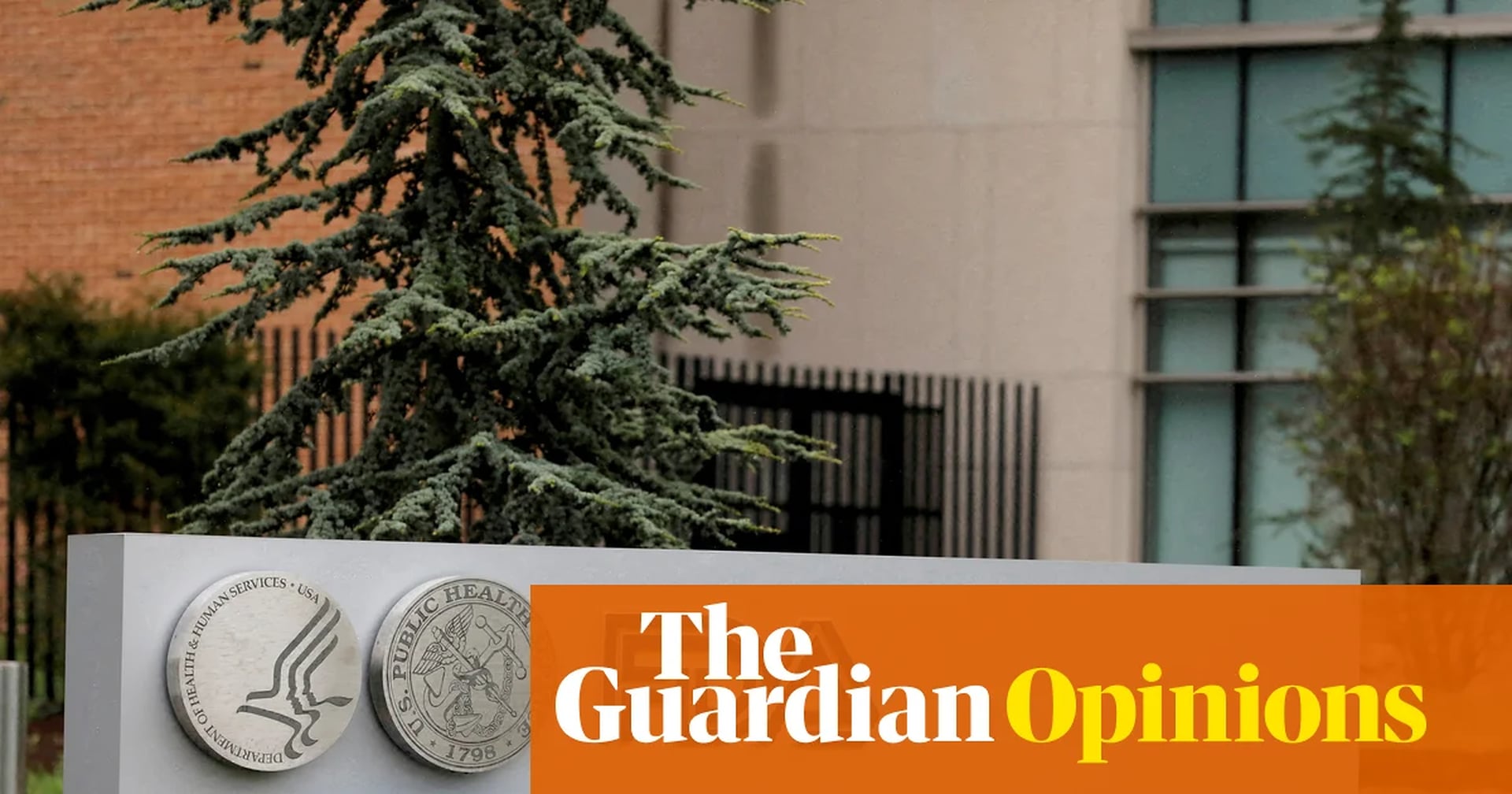
The global public health community is closely observing developments in the United States, where serious allegations have emerged regarding the suppression of crucial vaccine safety research by the Food and Drug Administration (FDA). Recent reports from prominent media outlets have cast a spotlight on the agency's practices, suggesting that studies commissioned by the FDA itself, and subsequently completed by career scientists, were withheld from public release after political appointees reportedly declined to endorse their publication. This situation, if substantiated, carries profound implications for scientific transparency, public trust in regulatory bodies, and the broader landscape of global health.
At the heart of the controversy are several instances where scientific findings, after undergoing rigorous peer review and even acceptance by specialized pharmacovigilance journals, were reportedly withdrawn. One notable case involves two comprehensive studies on COVID-19 vaccine safety. These investigations were far from minor undertakings; they involved extensive datasets and sophisticated methodologies designed to provide real-world insights into vaccine safety profiles. One study meticulously analyzed the health records of 7.5 million Medicare beneficiaries, scrutinizing 14 pre-specified adverse outcomes following COVID-19 vaccination between 2023 and 2024. Employing a robust self-controlled case-series design, with follow-up periods extending up to 90 days, this research aimed to identify any potential safety signals with high precision. The findings were largely reassuring, with only one signal—anaphylaxis, occurring at an approximate rate of one per million Pfizer-BioNTech doses—exceeding statistical thresholds. This particular signal was already a known, albeit extremely rare, adverse event well-documented in medical literature.
A second COVID-19 vaccine safety study further expanded this inquiry, examining data from 4.2 million vaccine recipients aged between six months and 64 years. This study investigated more than a dozen potential outcomes and similarly identified only rare signals, specifically febrile seizures and myocarditis. Crucially, these findings were not novel; both febrile seizures and myocarditis were already acknowledged as rare potential side effects and were included on vaccine product labels and public health advisories. Despite the largely reassuring nature of these findings, and their acceptance by prestigious journals such as Drug Safety and Vaccine, FDA scientists were reportedly directed in October to withdraw these studies. The withdrawal of peer-reviewed and accepted scientific papers, especially those addressing critical public health concerns, represents an unusual and concerning intervention in the normal scientific publication process.
Beyond the COVID-19 vaccine research, similar concerns have been raised regarding the Shingrix vaccine, which protects against shingles. An analysis of Shingrix safety confirmed an elevated, yet low, risk of Guillain-Barré syndrome, a neurological disorder. This finding, too, has been consistently present on the vaccine's package insert for years, indicating it was a known and communicated risk. However, top officials at the FDA reportedly declined in February to authorize the submission of abstracts detailing these safety findings to a major drug-safety conference. The pattern across these instances suggests a deliberate decision to prevent the public dissemination of research, even when the findings align with existing knowledge or are largely reassuring, thereby raising questions about the motivations behind such actions.
The implications of such alleged data suppression extend far beyond the specific studies in question. At its heart, this issue strikes at the very foundation of public trust in health institutions globally. Transparency is an indispensable element in public health, particularly concerning vaccines, which are critical tools for preventing widespread disease and maintaining societal well-being. When regulatory bodies, tasked with safeguarding public health and acting as arbiters of scientific truth, are perceived to be withholding scientific data—regardless of the findings—it can profoundly foster skepticism and erode public confidence. This erosion of trust can have cascading effects, potentially leading to increased vaccine hesitancy, undermining global efforts to combat infectious diseases, and making it harder for health authorities to respond effectively to future health crises.
Moreover, the reported intervention by political appointees to halt the publication of peer-reviewed scientific work raises serious questions about the integrity of the scientific process within government agencies. The scientific method relies fundamentally on the open exchange of data, rigorous peer scrutiny, and the free dissemination of research findings to advance collective knowledge. When studies that have successfully navigated the demanding peer-review process are subsequently withdrawn due to non-scientific directives, it can create a significant chilling effect on researchers. Scientists working within these agencies might feel pressured to self-censor, avoid sensitive but important topics, or even question the value of their own independent inquiry, ultimately hindering the pursuit of objective truth and robust public health insights. The independence of scientific inquiry from political influence is not merely an ideal; it is a cornerstone of credible public health policy and essential for maintaining the public's faith in scientific institutions.
The FDA's mandate is to ensure the safety and efficacy of medical products, including vaccines, for the American public. By extension, its actions and standards often serve as a benchmark for regulatory agencies worldwide, influencing global norms and practices. The agency's role in pharmacovigilance—the continuous, systematic monitoring of drug and vaccine safety after they are approved and marketed—is absolutely critical. Continuous safety surveillance helps identify rare or delayed adverse events that may not have been apparent during initial clinical trials, providing a comprehensive, real-world understanding of a product's safety profile. The studies reportedly suppressed were precisely this type of post-market pharmacovigilance, designed to provide crucial real-world evidence on vaccine safety. Withholding such data, even if the outcomes are largely reassuring, deprives the public, healthcare providers, and other global regulatory bodies of comprehensive information that could reinforce confidence, guide clinical practice, or inform further research.
From a global perspective, the actions of a leading regulatory body like the FDA resonate internationally with immense weight. Many countries, particularly those with developing regulatory frameworks and limited resources for independent research, often look to agencies like the FDA for best practices, reliable data, and scientific guidance. A perceived lack of transparency or political interference in scientific dissemination within the FDA can therefore have significant ripple effects, potentially influencing how other nations approach their own vaccine safety monitoring and communication strategies. It could inadvertently fuel misinformation campaigns globally, making it exponentially harder for public health officials worldwide to build and maintain trust in vaccination programs, especially in regions already battling vaccine hesitancy. The global fight against pandemics and endemic diseases relies heavily on a unified, transparent, and scientifically robust approach to vaccine safety and efficacy data, where information flows freely and without impediment.
This incident underscores the urgent need for robust, independent oversight mechanisms within regulatory agencies across all nations. Policies must be clear, ensuring that scientific findings, particularly those related to public health interventions like vaccines, are disseminated promptly and transparently, free from undue political or commercial influence. The entire process by which studies are commissioned, conducted, reviewed, and published should be insulated from non-scientific pressures to maintain public trust and uphold scientific integrity. Accountability for decisions regarding data dissemination is essential to prevent similar situations from recurring and to ensure that public health remains paramount.
In conclusion, the allegations surrounding the suppression of vaccine safety studies by the US FDA present a significant challenge to the principles of transparency and scientific integrity that are vital for global public health. While the specific findings of the reportedly suppressed studies were largely reassuring, the act of withholding such information can paradoxically undermine public confidence and create an environment ripe for speculation and distrust. For the Nivaran Foundation, these developments highlight the critical importance of open science, independent journalism, and an unwavering commitment to factual reporting in an era where accurate public health information is more crucial than ever. Upholding the integrity of scientific communication is not merely an academic exercise; it is fundamental to protecting and promoting the health of populations worldwide. The global community must advocate for transparent processes and robust scientific independence to ensure that public health decisions are always based on the fullest available evidence, openly shared and rigorously scrutinized.
Support Nivaran Foundation's independent journalism to bring critical global health issues to light.
Talk to Nivaran Global