
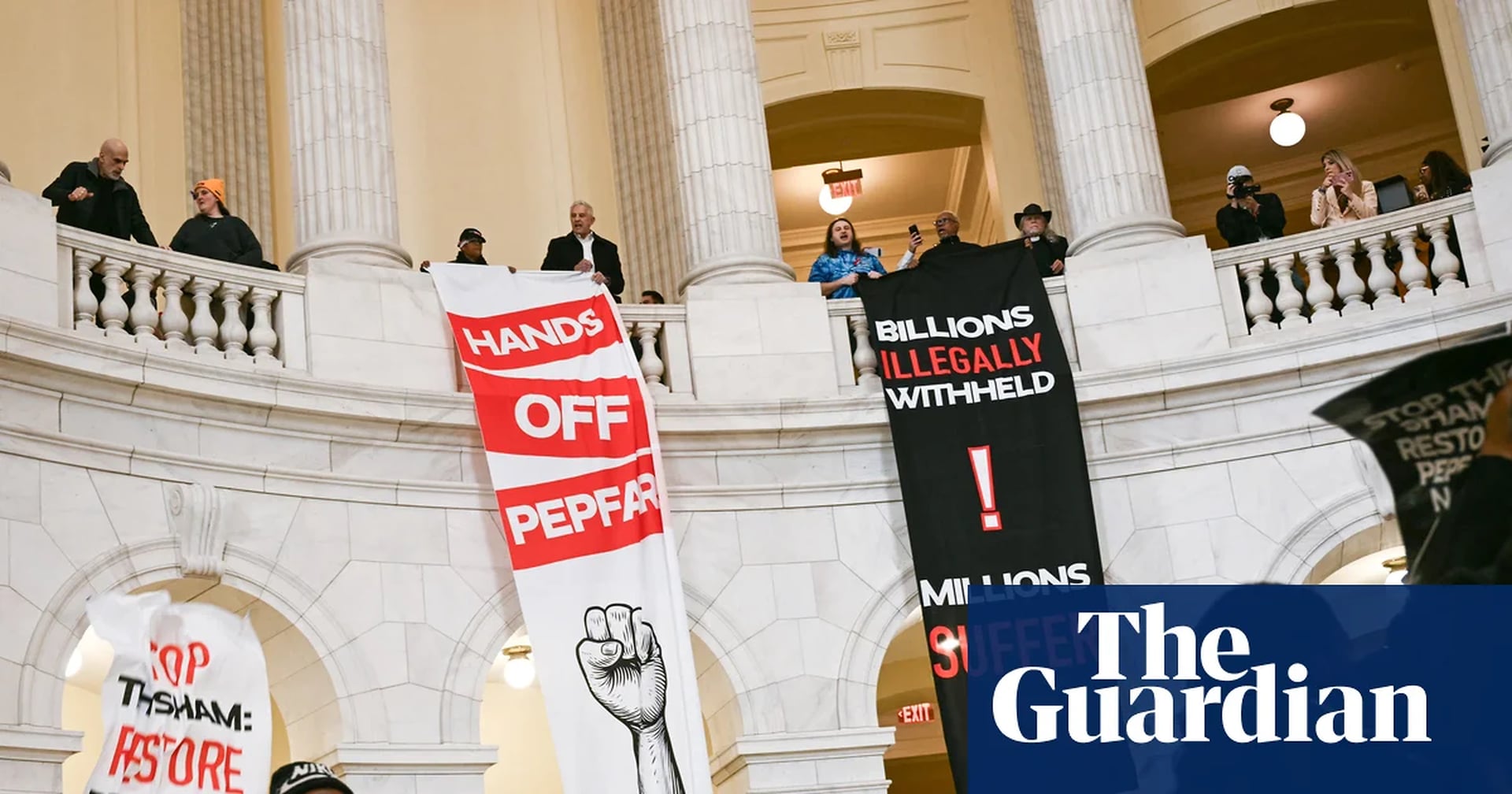
In a significant development for global health advocacy, a recent poll indicates robust and widespread support among US midterm voters for the President’s Emergency Plan for AIDS Relief (PEPFAR). This initiative, pivotal in the worldwide fight against HIV/AIDS, has historically enjoyed strong bipartisan backing, yet it now faces scrutiny from certain political factions. The survey's findings underscore a powerful public mandate for continued investment in global health, potentially setting the stage for a critical electoral issue in the upcoming US midterm elections.
The poll reveals that a striking three out of four (74%) likely voters in the US midterm elections express support for funding PEPFAR. More importantly, voters are inclined to favor candidates who publicly endorse the program, suggesting that global health commitment could be a decisive factor at the ballot box. This sentiment is further bolstered by a profound moral conviction: four in five voters believe there is an ethical imperative to support life-saving treatment for individuals at risk of or living with HIV/AIDS, irrespective of personal choices. Such overwhelming public consensus highlights the deep-seated humanitarian values that underpin American engagement in global health.
PEPFAR's Enduring Legacy and Impact
Launched in 2003 under Republican leadership, PEPFAR quickly became one of the most ambitious and successful global health initiatives in history. Its primary mission was to combat the devastating HIV/AIDS epidemic, particularly in sub-Saharan Africa, which was then grappling with an unprecedented health crisis. Over two decades, PEPFAR has transformed the landscape of HIV/AIDS prevention, treatment, and care, saving an estimated 25 million lives globally. The program has provided antiretroviral treatment to millions, prevented countless new infections through comprehensive prevention strategies, and supported orphans and vulnerable children affected by the epidemic.
Beyond its direct impact on HIV/AIDS, PEPFAR has played a crucial role in strengthening health systems in over 50 countries. By investing in laboratories, supply chains, healthcare worker training, and data collection, the initiative has built resilient health infrastructures capable of addressing a wide array of public health challenges. This systemic strengthening has proven invaluable, extending its benefits far beyond HIV/AIDS to enhance preparedness and response capabilities for other infectious diseases, including Ebola, tuberculosis, malaria, and even contributing to the global fight against pandemics like COVID-19. The program's integrated approach has created a lasting legacy of improved health outcomes and enhanced global health security.
The Political Crossroads: Midterms and Global Health Funding
The enduring bipartisan support for PEPFAR has been a hallmark of US foreign policy, reflecting a shared commitment across political divides to humanitarian aid and global stability. However, recent rhetoric from the Trump administration has introduced an element of uncertainty, with proposals for potential cuts or re-evaluations of foreign aid programs. This shift has placed PEPFAR, despite its proven track record and widespread public approval, under renewed scrutiny.
The upcoming midterm elections thus present a critical juncture. The poll's findings suggest that any move to significantly curtail PEPFAR funding could carry considerable political risk. Candidates perceived as undermining the program may face public backlash, particularly given the strong moral and practical arguments for its continuation. Voters are not merely expressing passive support; they are indicating a willingness to actively back candidates who champion global health initiatives, turning PEPFAR into a potent electoral issue. This dynamic could force political figures to carefully consider the implications of their stance on foreign aid and global health, recognizing the tangible impact on their electoral prospects.
Strategic Imperatives and Global Security
The arguments for sustaining PEPFAR extend beyond humanitarian concerns to encompass strategic and security interests. A world ravaged by preventable diseases is inherently less stable, posing risks to international security and economic prosperity. By investing in global health, the US not only saves lives but also fosters stability, strengthens diplomatic ties, and enhances its soft power influence worldwide. The infrastructure built by PEPFAR, for instance, has been instrumental in tracking and containing outbreaks of various pathogens, protecting not only the populations in recipient countries but also reducing the risk of disease transmission across borders, including to the US itself.
Furthermore, the economic benefits of a healthier global population are substantial. Healthier societies are more productive, fostering economic growth and reducing the need for emergency humanitarian interventions. PEPFAR's investments have contributed to stronger economies in partner countries, creating trading partners and reducing the likelihood of crises that could require more costly interventions down the line. From a purely pragmatic standpoint, continued investment in PEPFAR represents a cost-effective strategy for advancing US interests on the global stage.
The Unfinished Fight and Future Challenges
While PEPFAR has achieved remarkable successes, the fight against HIV/AIDS is far from over. Millions still live with the virus, and new infections continue to occur, particularly among key populations who face significant barriers to access prevention and treatment services. Challenges such as drug resistance, stigma, and the need for sustained funding in the face of competing global priorities remain pressing. The progress made is fragile and requires continuous vigilance and investment to prevent backsliding. Any reduction in commitment could jeopardize the gains made over two decades, potentially leading to a resurgence of the epidemic and undermining the very health systems PEPFAR helped build.
The moral argument articulated by voters—that life-saving treatment should be available regardless of personal choices—resonates deeply with the core principles of universal health access and human dignity. It underscores a collective responsibility to protect the most vulnerable and to ensure that advancements in medical science are accessible to all. This ethical foundation, combined with the strategic benefits and the proven efficacy of PEPFAR, creates a compelling case for its continued robust funding.
A Mandate for Global Health Leadership
The overwhelming support for PEPFAR among US voters sends a clear message to political leaders: global health initiatives are not merely discretionary foreign aid but essential components of a responsible and secure global strategy. As the midterm elections approach, candidates will likely find themselves navigating an electorate that values humanitarian action and understands the interconnectedness of global health. The future of PEPFAR, and by extension, the trajectory of global health security, may well be decided by how effectively political leaders respond to this powerful public mandate. Sustained commitment to programs like PEPFAR is not just about saving lives; it is about upholding values, ensuring stability, and demonstrating global leadership in an increasingly complex world.
Support Nivaran Foundation's mission to champion global health initiatives and ensure access to life-saving treatments worldwide.
Talk to Nivaran Global