
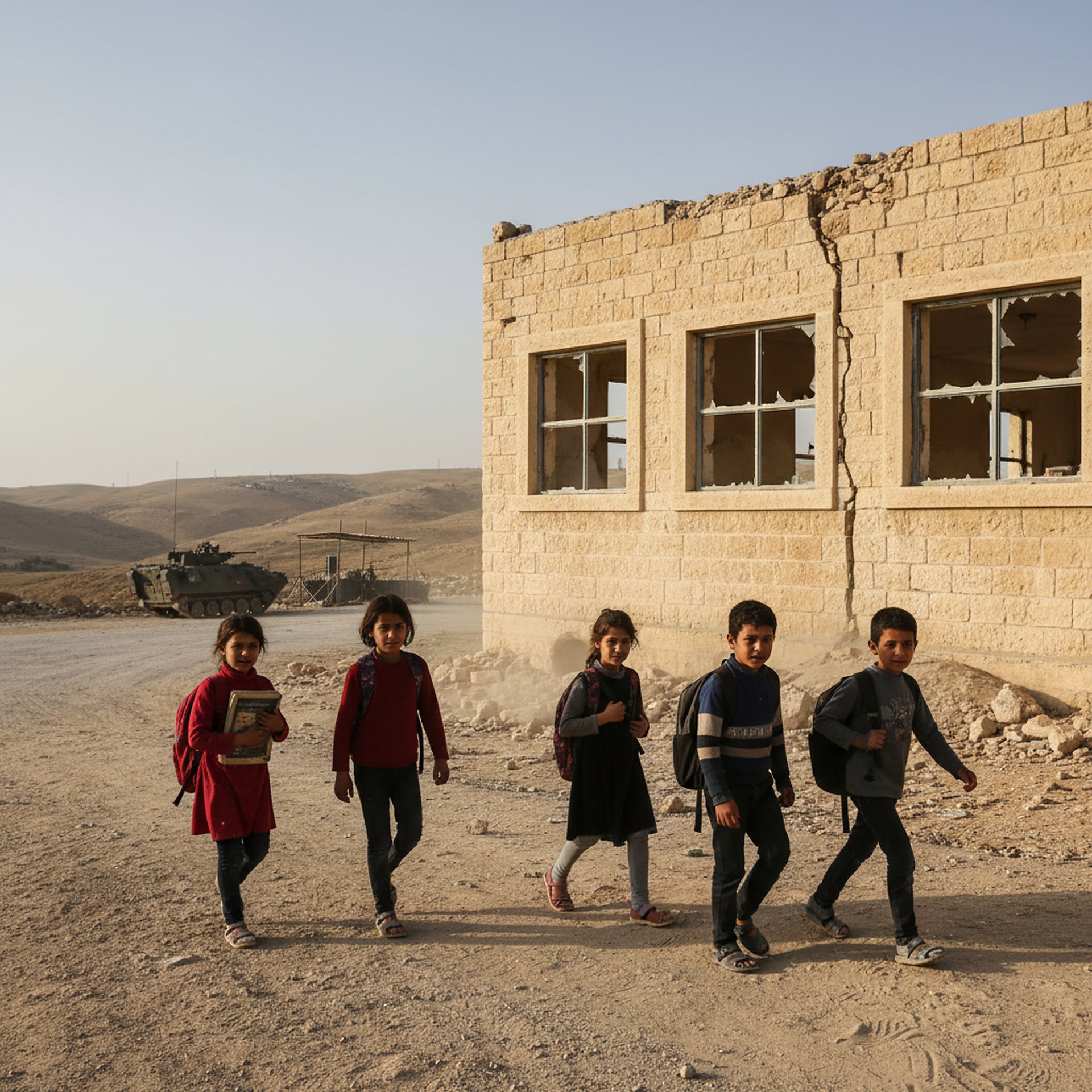
The global community has once again been confronted with the devastating human cost of ongoing conflict, following reports from the Palestinian health ministry that two Palestinians, one of them a child, were killed in an Israeli shooting incident near a school in the West Bank village of Al Mughayir. This tragic event, occurring on April 21, 2026, casts a stark light on the perilous conditions faced by civilians, particularly children, in areas marked by persistent tension and violence. The Israeli military stated its forces had intervened to disperse clashes in the village, an area that has unfortunately become synonymous with a surge in Israeli settler violence, further exacerbating an already fragile humanitarian and security situation.
The immediate aftermath of such an incident sends shockwaves through the affected community, leaving an indelible mark of grief and fear. The loss of a child's life, especially in proximity to an educational institution, is a particularly poignant reminder of the vulnerability of the youngest members of society caught in the crossfire of geopolitical strife. The Palestinian health ministry's confirmation of a child among the deceased underscores the profound impact on families and the broader community, where the sanctity of childhood and the promise of a future are continually threatened. For the residents of Al Mughayir, a village already grappling with the psychological and physical toll of escalating violence, this latest tragedy represents a further erosion of safety and normalcy. The incident not only claims lives but also shatters the sense of security essential for healthy development and community cohesion, leaving behind a legacy of trauma that can persist for generations.
Al Mughayir, situated in the central West Bank, has long been a flashpoint in the Israeli-Palestinian conflict, bearing the brunt of increasing Israeli settler violence. The village's strategic location and proximity to Israeli settlements have made it a frequent site of confrontations, land disputes, and acts of aggression. Residents report a daily struggle against intimidation, property damage, and physical assaults, often leading to a climate of fear and instability. This persistent pressure has a cascading effect on all aspects of life, from economic stability to social well-being. The surge in settler violence, as acknowledged even by the Israeli military in its statement regarding the recent clashes, represents a critical challenge to regional stability and the protection of civilian populations. Understanding the historical and ongoing context of Al Mughayir is crucial to grasping the full weight of the recent fatalities, as they are not isolated events but rather symptoms of a deeply entrenched and escalating pattern of conflict that disproportionately affects innocent lives.
The presence of violence near a school immediately brings into sharp focus the profound impact on education, a fundamental human right. When children witness or are directly affected by such traumatic events, their ability to learn, concentrate, and thrive academically is severely compromised. Schools, which should be sanctuaries of learning and development, become sites of fear and insecurity. Regular attendance can plummet as parents, fearing for their children's safety, keep them home. Teachers, too, are affected, struggling to maintain an environment conducive to learning amidst the constant threat of violence and the psychological burden of supporting traumatized students. The long-term consequences for educational attainment are dire, potentially leading to a generation with disrupted schooling, limited opportunities, and a diminished capacity to contribute to their communities' future development. This erosion of educational infrastructure and opportunity not only violates international conventions on the rights of the child but also perpetuates cycles of disadvantage and instability, making it harder for affected communities to rebuild and recover.
Beyond the immediate physical casualties, the mental and psychological health implications of living in a conflict zone are immense and often overlooked. Children exposed to violence, loss, and constant fear are at a significantly higher risk of developing post-traumatic stress disorder (PTSD), anxiety, depression, and other mental health conditions. The sound of gunfire, the sight of military presence, and the constant threat of harm create a pervasive sense of dread that can manifest in nightmares, behavioral issues, and difficulty forming healthy attachments. Access to adequate mental health services in these regions is often severely limited, leaving many without the support they desperately need. Furthermore, the strain on local healthcare systems is immense, as they struggle to cope with emergency medical needs, chronic conditions exacerbated by stress, and the long-term rehabilitation requirements of those injured. The incident in Al Mughayir serves as a stark reminder that conflict inflicts not only visible wounds but also deep, invisible scars that compromise the overall health and well-being of entire communities for years to come, demanding a comprehensive humanitarian response that addresses both physical and psychological needs.
The broader context of the Israeli-Palestinian conflict underscores the urgency of addressing the root causes of such violence and ensuring the protection of civilians under international law. International humanitarian law mandates the protection of civilians, particularly children, in armed conflicts, and calls for all parties to exercise restraint and distinguish between combatants and non-combatants. The recurring nature of incidents like the one in Al Mughayir highlights the systemic challenges in upholding these principles and the pressing need for accountability. Global bodies and human rights organizations consistently advocate for de-escalation, adherence to international norms, and the establishment of sustainable peace. However, the continued loss of life, especially among the most vulnerable, demonstrates the persistent gap between international aspirations and ground realities. The international community has a responsibility to not only condemn acts of violence but also to actively work towards creating conditions that safeguard human rights, ensure access to essential services like health and education, and foster an environment where children can grow up free from fear and violence.
The tragic deaths in Al Mughayir, particularly that of a child near a school, serve as a harrowing reminder of the profound and multifaceted impact of conflict on human lives. This incident is not merely a statistic but a deeply personal tragedy for the families involved and a significant blow to the collective well-being of a community already under immense strain. It underscores the urgent global imperative to protect vulnerable populations, especially children, and to ensure their fundamental rights to safety, health, and education are upheld, even in the most challenging circumstances. Nivaran Foundation reiterates its call for all parties to prioritize the protection of civilians, adhere to international humanitarian law, and engage in meaningful efforts towards a lasting peace that safeguards the future of every child. The cycle of violence must be broken, and the international community must redouble its efforts to support communities like Al Mughayir in their quest for dignity, security, and a future free from fear.
Support Nivaran Foundation's efforts to safeguard children's health and education in vulnerable communities worldwide.
Talk to Nivaran Global