
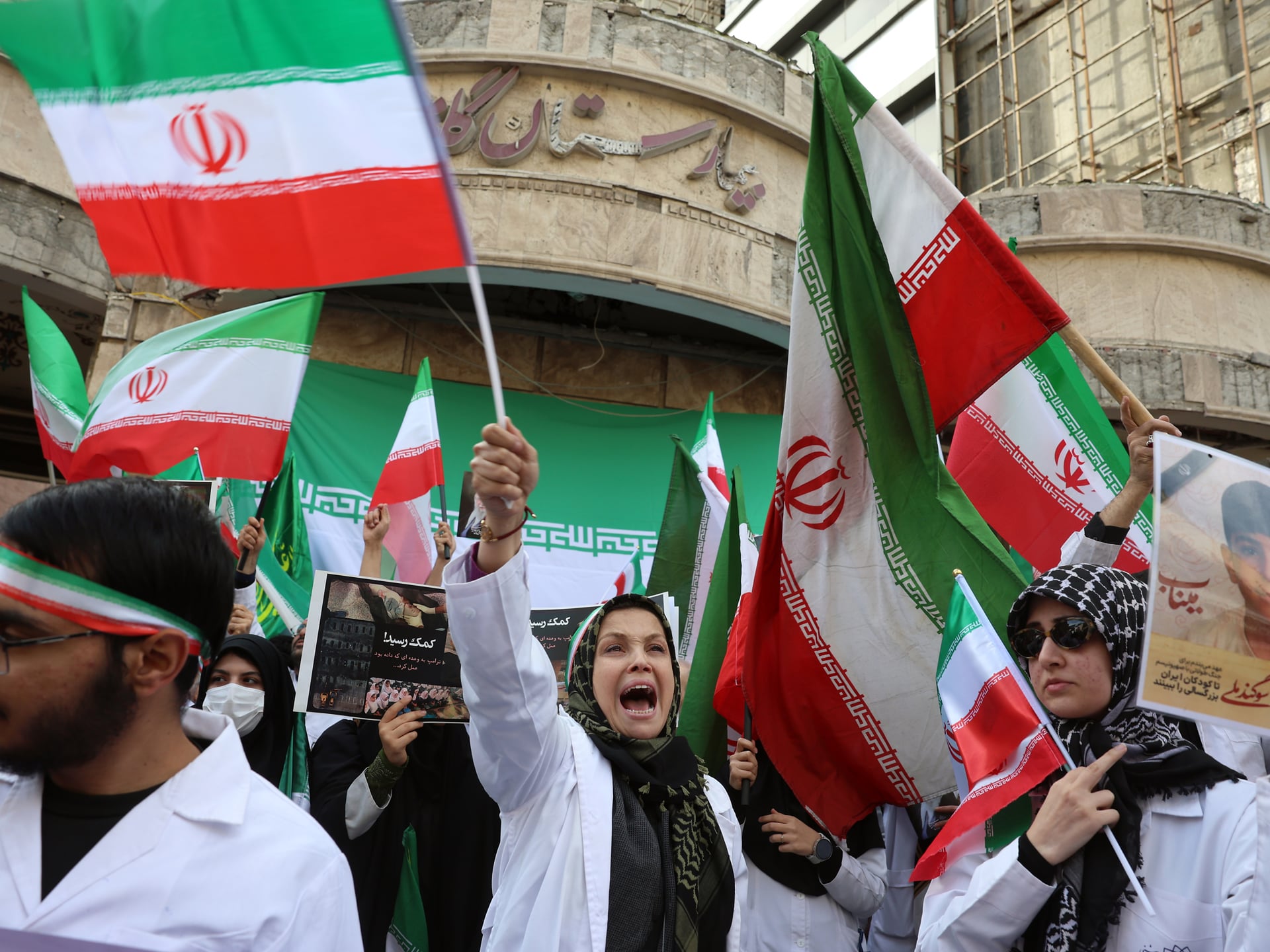
The World Health Organization (WHO) has sounded a grave alarm regarding a disturbing escalation of attacks on healthcare facilities across Iran. Since the beginning of March, more than two dozen such incidents have been reported, painting a stark picture of a humanitarian crisis unfolding within the nation's medical infrastructure. This pattern of targeting vital health services not only jeopardizes the lives of patients and medical staff but also severely undermines the fundamental right to health for countless individuals, drawing urgent condemnation from global health authorities.
WHO Director-General Tedros Adhanom Ghebreyesus has reportedly expressed deep concern over these "multiple attacks," underscoring the severe implications for a population already facing various challenges. Such statements from the highest levels of global health governance highlight the universal principle that healthcare facilities, personnel, and transport must be protected in all circumstances, particularly during times of heightened tension or conflict. These protections are enshrined in international humanitarian law, specifically the Geneva Conventions and their Additional Protocols, which unequivocally prohibit attacks on medical units and establishments. Targeting hospitals, clinics, and ambulances, or obstructing medical care, constitutes a grave breach of these laws, potentially amounting to war crimes.
The incidents in Iran are not isolated, but rather reflect a troubling global trend where healthcare is increasingly caught in the crosshairs of conflict and instability. From active war zones to areas experiencing civil unrest, medical infrastructure and personnel are routinely subjected to violence, intimidation, and obstruction. This systematic assault on the very institutions designed to save lives creates a ripple effect, eroding public trust, forcing skilled professionals to flee, and ultimately collapsing health systems when they are most needed. The long-term consequences extend far beyond immediate casualties, leading to preventable deaths from treatable diseases, chronic health issues due to lack of care, and a profound sense of insecurity within affected communities.
The reported incidents in Iran, while specific in their geographical context, resonate with a broader pattern observed in conflict zones globally. These attacks can range from direct shelling and aerial bombardment of hospitals to armed incursions, theft of medical supplies, and the detention or harassment of healthcare workers. Each form of aggression cripples the ability of the health system to function, leaving communities without access to critical care. For instance, the destruction of a maternity ward means countless expectant mothers are left without safe delivery options, leading to increased maternal and infant mortality. Damage to a pediatric clinic can halt vital immunization programs, leaving children vulnerable to preventable diseases. Furthermore, the psychological impact on medical staff, who continue to work under duress, cannot be overstated. They face moral dilemmas and profound trauma, often without adequate support, leading to burnout and a significant brain drain from already fragile health systems.
International humanitarian law (IHL) is unequivocally clear: medical facilities and personnel are accorded special protection and must not be targeted. The principle of distinction mandates that parties to a conflict must distinguish between civilians and combatants, and between civilian objects and military objectives. Hospitals, ambulances, and medical personnel are explicitly civilian objects, unless they are being used for military purposes, and even then, specific rules apply before they lose their protected status. The repeated nature of these attacks, as highlighted by the WHO, suggests a potential pattern of disregard for these fundamental tenets of IHL. The lack of robust, impartial investigations and subsequent accountability for such violations creates a dangerous precedent, eroding the very framework designed to mitigate suffering in armed conflict. This impunity not only undermines international legal norms but also sends a chilling message to those who seek to provide humanitarian aid and medical care in challenging environments.
The direct victims of these attacks are, first and foremost, the patients – individuals seeking refuge and recovery, often in vulnerable states. Children, the elderly, and those with chronic illnesses are disproportionately affected when hospitals are damaged or rendered inoperable. Beyond direct harm, the destruction or disruption of healthcare facilities means a loss of essential services, including emergency care, maternal and child health services, vaccinations, and treatment for infectious diseases. This can lead to outbreaks, increased mortality rates, and a significant decline in public health indicators. The psychological toll on communities, witnessing their lifelines being severed, is also immense, fostering widespread fear and despair.
Medical professionals, who commit their lives to healing, find themselves operating under unimaginable duress. They face the constant threat of violence, injury, or death, while simultaneously striving to uphold their ethical obligations to provide care. Working in damaged facilities, with dwindling supplies, and under the shadow of potential further attacks, demands extraordinary courage and resilience. Many are forced to make impossible choices, prioritizing care under extreme constraints, or even abandoning their posts for safety, further exacerbating the healthcare vacuum. The international community has a moral and legal obligation to ensure the safety and unimpeded access of humanitarian and medical workers.
Beyond the immediate human cost, the targeting of healthcare infrastructure inflicts profound and lasting damage on the social and economic fabric of a nation. A crippled health system leads to a less productive workforce, increased poverty due to medical expenses, and a general decline in human development indicators. Children miss school due to illness, adults cannot work, and the elderly suffer without necessary chronic care. The cost of rebuilding damaged facilities and re-establishing trust in the healthcare system is astronomical, diverting scarce resources from other essential development initiatives. This cycle of destruction and recovery can set a country back decades, perpetuating instability and hindering any prospects for long-term peace and prosperity. The international community often bears the burden of providing emergency aid and long-term reconstruction, underscoring the global interconnectedness of health security.
The World Health Organization, alongside other humanitarian organizations like the International Committee of the Red Cross (ICRC), plays a crucial role in monitoring these incidents, documenting violations, and advocating for the protection of healthcare. Their reports serve as vital evidence for international bodies and mechanisms tasked with upholding international law and ensuring accountability. However, mere condemnation is often insufficient. There is a pressing need for robust investigations into such attacks, identification of perpetrators, and mechanisms to hold those responsible accountable under international law. Impunity for attacks on healthcare only emboldens further violations, perpetuating a cycle of violence against the most vulnerable.
The targeting of healthcare facilities in any region has far-reaching implications for global health security. A weakened health system in one country can become a breeding ground for diseases that do not respect borders, posing risks to neighboring nations and beyond. It also diverts resources and attention from critical public health initiatives, such as pandemic preparedness and response, which require robust and resilient health infrastructures globally. The principle of universal health coverage, a cornerstone of sustainable development, becomes an unattainable ideal when the very foundations of healthcare are systematically dismantled through violence.
In the face of such systematic violations, global solidarity and sustained advocacy are paramount. International organizations, civil society groups, and individual states must collectively exert pressure on all parties to conflicts to respect their obligations under international law. This includes not only public condemnation but also diplomatic engagement, sanctions against perpetrators, and support for mechanisms that ensure justice for victims. Nivaran Foundation, through its global news desk, plays a vital role in bringing these critical issues to the forefront, ensuring that the human cost of such attacks is not forgotten. By amplifying the voices of those affected and shedding light on violations, we contribute to a global discourse that demands accountability and champions the universal right to health. Our commitment extends to supporting initiatives that build resilient health systems, train healthcare workers in conflict preparedness, and advocate for policies that prioritize the protection of medical services as a non-negotiable imperative. The situation in Iran serves as a stark reminder of the urgent need for unwavering commitment to the protection of healthcare in all contexts, advocating for a world where healthcare remains a sanctuary, accessible to all, free from the shadow of violence and destruction.
Support Nivaran Foundation's efforts to advocate for the protection of healthcare infrastructure and personnel in conflict zones worldwide.
Talk to Nivaran Global