
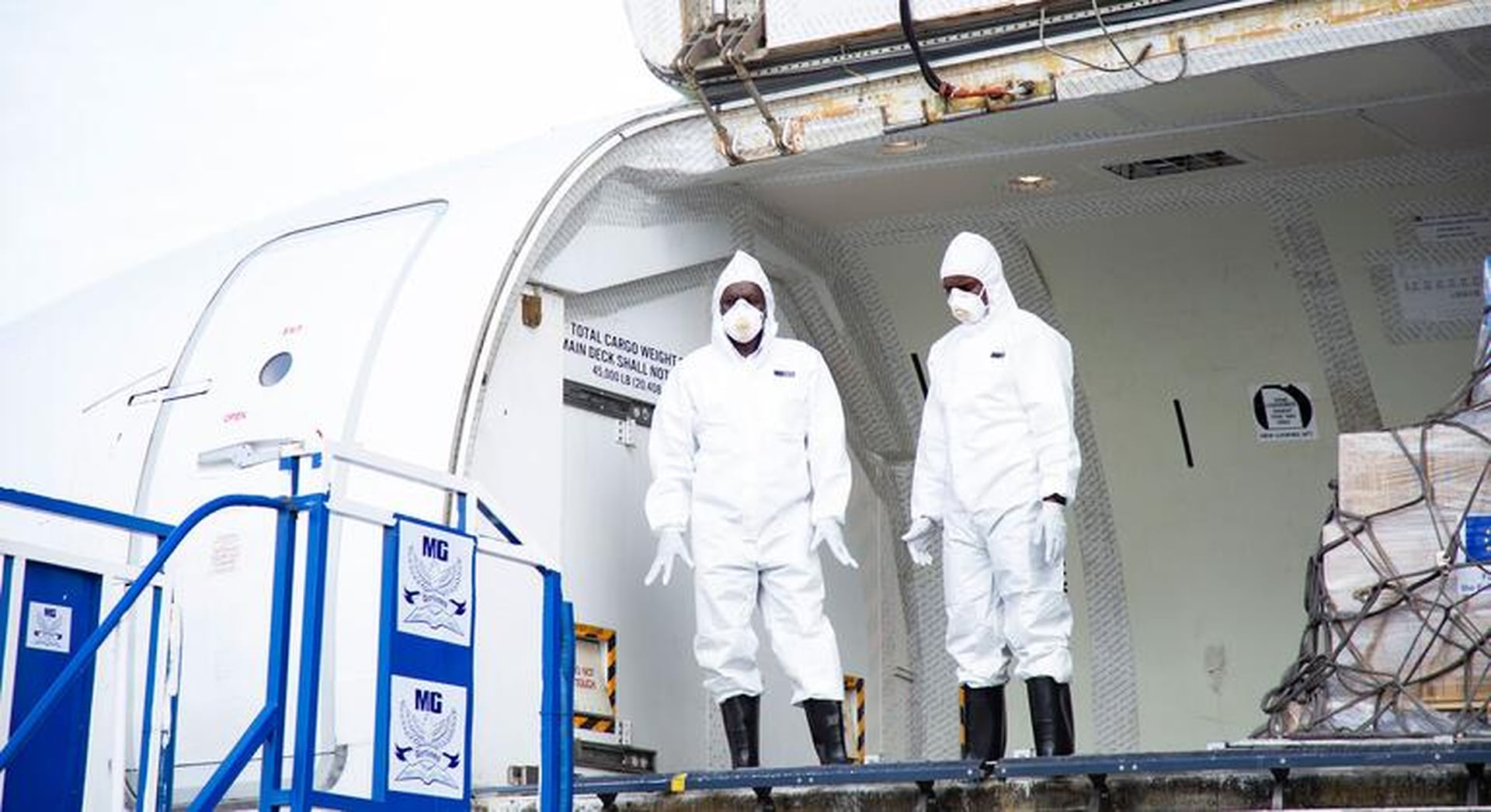
The Director-General of the World Health Organization (WHO) recently made an urgent visit to the Democratic Republic of the Congo (DRC), underscoring the severe gravity of a resurgent Ebola outbreak in the nation's eastern provinces. His presence highlighted a critical plea for an immediate ceasefire, recognizing that the pervasive instability and ongoing conflict are not merely complicating factors but direct impediments to containing the deadly virus. This latest health crisis unfolds in a region already grappling with decades of humanitarian challenges, where armed groups and displacement create an almost insurmountable barrier for health workers striving to save lives. The WHO's call for peace is a stark acknowledgment that public health initiatives cannot succeed in a vacuum of violence, emphasizing the inextricable link between security and the global fight against infectious diseases.
The current Ebola resurgence, concentrated in the DRC's volatile eastern territories, represents a formidable challenge to global health security. While the nation has battled numerous outbreaks of the hemorrhagic fever in the past, this particular episode is exacerbated by the relentless cycle of violence that characterizes the region. Health officials face immense difficulties in reaching affected communities, tracing contacts, and implementing safe burial practices due to the constant threat of armed attacks and road blockades. The movement of displaced populations, fleeing conflict, inadvertently aids the virus's spread, making containment strategies incredibly complex. This dynamic creates a dangerous feedback loop where conflict fuels the outbreak, and the outbreak further destabilizes already fragile communities, pushing them deeper into crisis.
The Democratic Republic of the Congo has unfortunately become a recurring epicenter for Ebola outbreaks, a grim reality shaped by a confluence of geographical, environmental, and socio-economic factors. Its vast rainforests are natural reservoirs for the virus, and human encroachment often leads to spillover events. However, the frequency and severity of recent outbreaks are deeply intertwined with the nation's protracted political instability and underdeveloped healthcare infrastructure. Communities often lack access to basic health services, making early detection and rapid response difficult. Furthermore, a history of mistrust towards external interventions, fueled by misinformation and past grievances, can hinder public health campaigns, including vaccination efforts and safe burial protocols, allowing the virus to gain a foothold before effective measures can be fully deployed.
The ongoing armed conflict in eastern DRC stands as the single most significant barrier to an effective Ebola response. Numerous armed groups operate with impunity, frequently targeting health facilities, ambushing medical convoys, and intimidating health workers. These acts of violence not only endanger the lives of frontline responders but also instill fear within communities, making them reluctant to seek treatment or cooperate with public health teams. The deliberate destruction of health infrastructure and the forced displacement of populations dismantle any semblance of an organized response, scattering potential contacts and making surveillance nearly impossible. In such an environment, the fundamental principles of outbreak control—rapid identification, isolation, treatment, and contact tracing—are systematically undermined, allowing the virus to spread unchecked.
Despite the perilous conditions, the World Health Organization and its partners are engaged in a monumental effort to combat the Ebola outbreak. Their strategy encompasses rapid deployment of medical teams, establishment of treatment centers, widespread vaccination campaigns using novel vaccines, and intensive contact tracing. Crucially, significant resources are dedicated to community engagement, aiming to build trust and ensure local ownership of the response. However, these efforts are constantly hampered by the insecurity. Health workers, often risking their lives, navigate dangerous territories, facing threats ranging from direct attacks to kidnapping. The sheer logistical complexity of operating in a conflict zone, coupled with the need to protect personnel, diverts critical resources and attention away from the primary goal of disease containment.
While geographically confined to the DRC, the implications of this protracted Ebola outbreak extend far beyond its national borders, posing a tangible threat to global health security. An uncontrolled outbreak in a highly mobile and interconnected world carries the risk of international spread, particularly if the virus reaches major urban centers or cross-border trade routes. Furthermore, the challenges faced in the DRC serve as a critical case study for managing future pandemics in conflict-affected regions worldwide. The international community's ability to effectively respond to such crises is a litmus test for global preparedness and solidarity. Failure to contain Ebola in the DRC not only results in tragic loss of life locally but also sets a dangerous precedent for the management of other infectious disease threats in similar complex humanitarian emergencies.
The human cost of this dual crisis of Ebola and conflict is immeasurable. Communities in eastern DRC are enduring unimaginable suffering, marked by constant fear, displacement, and the loss of loved ones to both violence and disease. The outbreak exacerbates existing vulnerabilities, straining already fragile healthcare systems and disrupting essential services like education and food security. Children are particularly affected, facing increased risks of orphanhood, malnutrition, and psychological trauma. Yet, amidst this adversity, there are remarkable demonstrations of community resilience. Local leaders, traditional healers, and community volunteers often play a vital role in disseminating information, promoting safe practices, and bridging the gap between international responders and local populations, forming the backbone of the response effort despite overwhelming odds.
The WHO Director-General's unequivocal call for a ceasefire is not merely a humanitarian plea but a strategic imperative for public health. Without a cessation of hostilities, the fundamental conditions required for effective disease control—safe access for health workers, secure environments for treatment, and community trust—cannot be established. A ceasefire would allow for unimpeded movement of medical supplies and personnel, enable comprehensive contact tracing, and facilitate safe and dignified burials, all critical steps in breaking the chain of transmission. It underscores the profound truth that peace is a prerequisite for health, and that addressing the root causes of conflict is as vital to disease prevention as any medical intervention.
Beyond the immediate crisis, a sustainable resolution to the recurring Ebola outbreaks in the DRC necessitates a multi-faceted approach that addresses both the health emergency and the underlying drivers of instability. This includes strengthening the nation's public health infrastructure, investing in local healthcare capacity, and ensuring equitable access to medical services, particularly in remote and vulnerable areas. Concurrently, concerted efforts are required to foster peace and security, disarm armed groups, and promote socio-economic development that creates opportunities and reduces grievances. Long-term solutions must be community-led, culturally sensitive, and integrated within broader peacebuilding and state-building initiatives, ensuring that health interventions contribute to, rather than are undermined by, the pursuit of lasting stability.
The situation in the Democratic Republic of the Congo serves as a poignant reminder of the intricate connections between global health, peace, and human security. The WHO's urgent call for a ceasefire is a testament to the profound challenges faced when deadly diseases collide with entrenched conflict. It highlights that containing an outbreak like Ebola requires more than medical expertise; it demands political will, international solidarity, and a commitment to resolving the underlying conflicts that create fertile ground for such crises. As the world navigates an increasingly complex landscape of global health threats, the lessons from the DRC underscore the critical importance of investing in peace as a foundational element of public health resilience worldwide.
Support Nivaran Foundation's efforts to strengthen global health responses in conflict zones, ensuring life-saving aid reaches those most vulnerable to outbreaks like Ebola.
Talk to Nivaran Global