
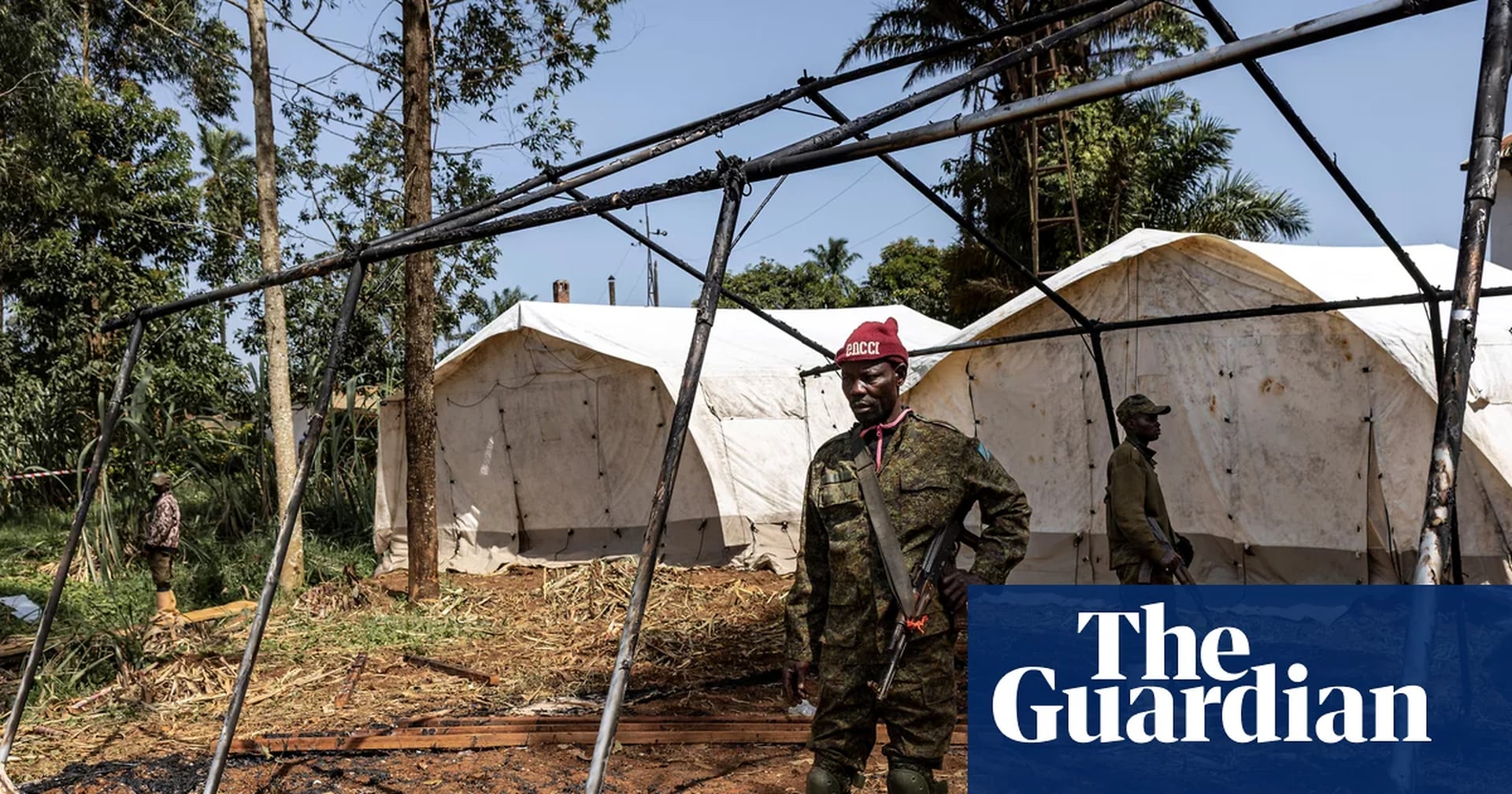
The head of the World Health Organization has issued an urgent plea for an immediate cessation of hostilities in the eastern Democratic Republic of Congo, emphasizing that a ceasefire is paramount to effectively combat a rapidly escalating Ebola outbreak. Dr. Tedros Adhanom Ghebreyesus, the WHO Director-General, highlighted the dire situation unfolding in Ituri province, describing it as a "catastrophic collision of disease and conflict" where the epidemic's progression is outpacing current response efforts. This critical call for peace comes as neighboring Uganda has taken the drastic step of closing its border with the DRC in an attempt to curb the cross-border transmission of the deadly virus. Dr. Tedros has also announced his intention to travel to the DRC this week, underscoring the gravity and urgency of the unfolding humanitarian and health crisis.
Ebola Virus Disease (EVD) represents one of the most severe and lethal pathogens known to humanity, characterized by high fatality rates and rapid transmission through direct contact with infected bodily fluids. The Democratic Republic of Congo, unfortunately, has a long and tragic history with Ebola, having experienced numerous outbreaks since the virus was first identified there in 1976. Each recurrence presents immense challenges, particularly in regions marked by instability and limited healthcare infrastructure. The current outbreak in Ituri province is particularly concerning due to its geographical spread within a highly volatile area, making traditional public health interventions like contact tracing, safe burials, and vaccination campaigns extraordinarily difficult to implement consistently and safely.
Eastern DRC has been a crucible of conflict for decades, plagued by the activities of numerous armed groups vying for control over territory and resources. This protracted instability has resulted in widespread displacement, severe human rights abuses, and a pervasive climate of fear and insecurity for millions of civilians. The presence of these armed factions, coupled with a fragile state presence, creates an environment where humanitarian and health workers face constant threats. Roads are often impassable due to insecurity, communities are frequently uprooted, and the very infrastructure necessary for a robust health response, such as clinics and supply chains, is either non-existent or frequently targeted and destroyed.
Dr. Tedros's stark warning of a "catastrophic collision of disease and conflict" is a precise articulation of the deadly synergy at play. In such chaotic conditions, disease finds fertile ground to spread unchecked. Displaced populations, often living in overcrowded and unsanitary conditions, are highly vulnerable. Access to clean water, sanitation, and basic healthcare is severely compromised. Furthermore, the conflict diverts essential resources, both human and financial, away from public health initiatives towards security operations. This creates a vicious cycle where violence fuels the epidemic, and the epidemic, in turn, exacerbates existing vulnerabilities and mistrust, making it harder for health responders to gain the cooperation of affected communities. Attacks on Ebola treatment centers and intimidation of health workers have tragically become a recurring feature of this complex crisis.
A ceasefire, therefore, is not merely a political aspiration but an absolute public health necessity. Without a cessation of hostilities, health teams cannot safely access all affected areas, leaving pockets of infection to fester and potentially reignite larger outbreaks. A period of peace would allow for the secure deployment of medical personnel, the establishment of stable treatment facilities, and the consistent implementation of vaccination programs. Crucially, it would also enable the rebuilding of trust between communities and health responders, which is vital for effective surveillance and community-led disease control efforts. The ethical imperative to protect human life demands that all parties prioritize the health and well-being of the population above all else.
The regional implications of the DRC's Ebola crisis are profound, as evidenced by Uganda's decision to close its border. This measure, while understandable from a national public health perspective aimed at preventing cross-border transmission, carries significant consequences. Border closures can disrupt legitimate trade, impact local economies heavily reliant on cross-border movement, and create additional humanitarian challenges for populations seeking refuge or essential services. Uganda has previously faced its own Ebola outbreaks and understands the severe threat. The closure underscores the urgent need for a coordinated regional strategy that balances national security concerns with humanitarian access and effective disease surveillance across shared borders, ensuring that containment efforts do not inadvertently deepen the suffering of vulnerable populations.
The ongoing Ebola outbreak in eastern DRC serves as a stark reminder of the interconnectedness of global health security. In an increasingly mobile world, an epidemic in one region can quickly become a threat to others. Lessons learned from past major outbreaks, such as the devastating West African Ebola epidemic of 2014-2016, underscore the importance of robust surveillance, rapid response capabilities, and sustained international cooperation. Failure to contain outbreaks at their source, particularly in fragile states where health systems are weak and conflict is rampant, poses a significant risk to global public health. The international community has a collective responsibility to support efforts that strengthen health resilience in vulnerable nations, thereby safeguarding global health security.
Responding to an epidemic in a vast, underdeveloped, and insecure region like eastern DRC presents immense logistical and operational hurdles. The deployment of cutting-edge vaccines, which have proven highly effective in preventing Ebola, is complicated by the need for ultra-cold chain storage, difficult terrain, and the constant threat of violence. While vaccination campaigns have reached hundreds of thousands, community acceptance remains a challenge, often fueled by misinformation, historical grievances, and a deep-seated mistrust of external actors. Sustained international funding, technical expertise, and a commitment to empowering local health workers are critical to overcoming these obstacles and ensuring that life-saving interventions reach everyone who needs them.
Beyond the immediate crisis response, addressing the root causes of both the health crisis and the conflict in eastern DRC is paramount for long-term stability and well-being. This necessitates a comprehensive approach that includes peacebuilding initiatives, strengthening governance, and investing in sustainable development. Rebuilding and reinforcing the national health system, particularly at the primary healthcare level, is essential to ensure future resilience against epidemics. Empowering local communities, training community health workers, and fostering trust between health providers and the population are foundational steps towards creating a more robust and equitable health landscape that can withstand future shocks.
The urgent call from the World Health Organization for a ceasefire in the Democratic Republic of Congo is a poignant reminder of the profound human cost when disease and conflict collide. It is a humanitarian imperative that demands immediate attention and concerted action from all stakeholders – local, national, and international. Dr. Tedros Adhanom Ghebreyesus's upcoming visit symbolizes the global community's unwavering commitment, yet true progress hinges on the willingness of all parties to lay down arms and prioritize the health and safety of the Congolese people. Only through peace can the devastating cycle of violence and disease be broken, paving the way for a future where health crises are met with effective, unimpeded humanitarian response, and where communities can begin to heal and rebuild.
Support Nivaran Foundation's efforts to bring critical health information and aid to vulnerable populations worldwide, especially in conflict-affected regions like the DRC.
Talk to Nivaran Global