
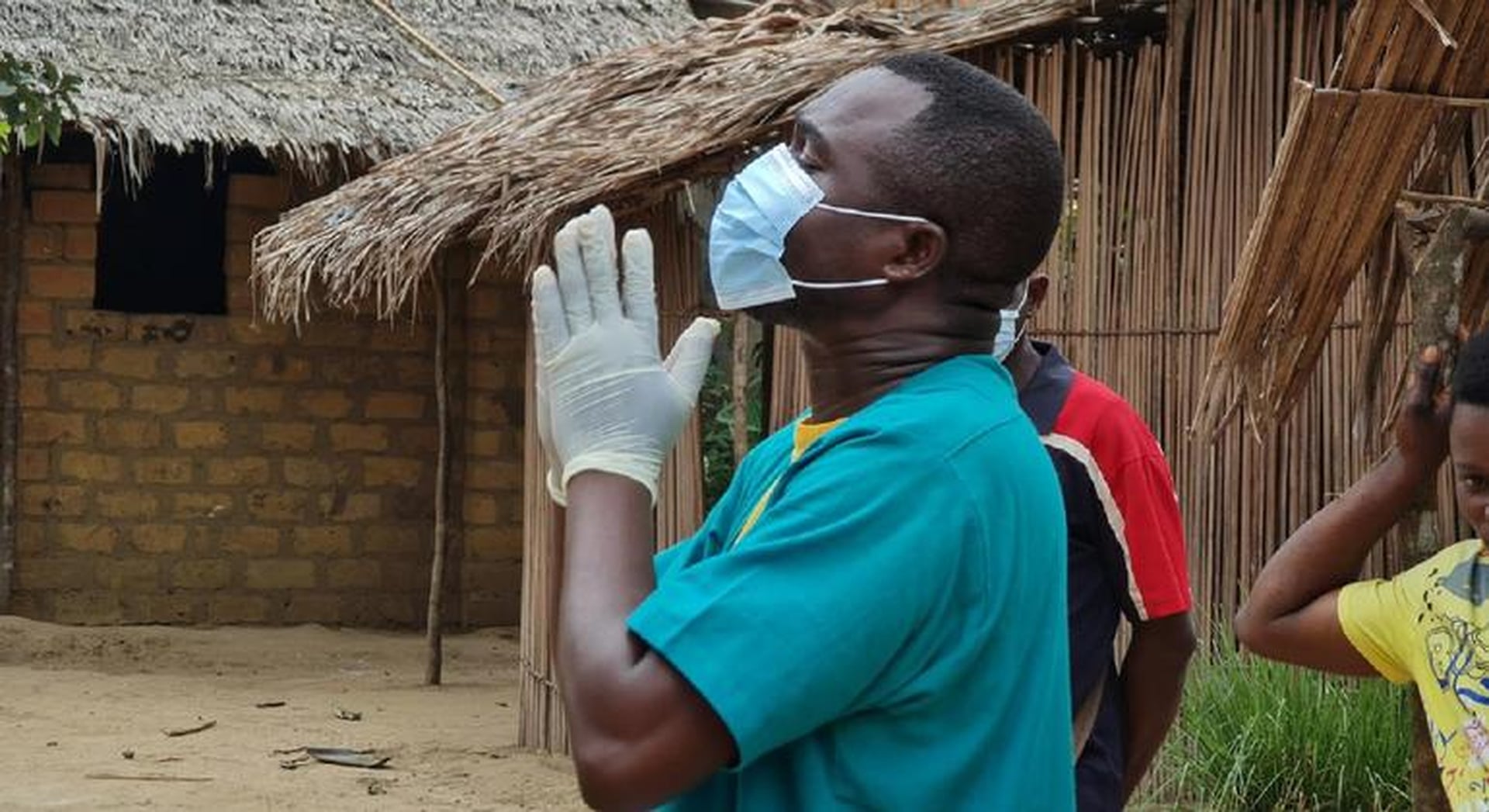
The global health landscape remains precariously balanced, a reality starkly underscored by recent outbreaks of Ebola and hantavirus. Addressing the closing session of the 79th World Health Assembly in Geneva, Dr. Tedros Ghebreyesus, Director-General of the World Health Organization (WHO), issued a fervent call for renewed global commitment to both urgent epidemic response and robust long-term pandemic preparedness. His warning on Saturday served as a potent reminder that despite advancements in medical science and public health infrastructure, the world's vulnerability to rapidly spreading infectious diseases persists, demanding immediate and sustained collective action. The assembly, a critical forum for global health governance, concluded with a resounding emphasis on the imperative to translate lessons learned from past crises into actionable strategies for future resilience.
The recent resurgence of Ebola in specific regions, alongside localized hantavirus clusters, illustrates a critical truth: pathogens do not respect borders, and a threat in one corner of the globe can swiftly become a challenge for all. These incidents, while contained through diligent efforts, exposed lingering gaps in surveillance, rapid diagnostic capabilities, and equitable access to countermeasures. The global community's collective memory of the devastating impact of previous pandemics, including the recent COVID-19 crisis, should serve as a powerful motivator. Yet, there is a palpable risk of complacency once immediate threats recede, leading to a cyclical pattern of crisis and temporary relief rather than foundational strengthening. Dr. Ghebreyesus highlighted that the interconnectedness of modern society, driven by extensive travel and trade, amplifies the speed at which novel or re-emerging pathogens can disseminate, making every local outbreak a potential global concern. The very fabric of our globalized world, while offering immense benefits, also presents unique challenges to disease control, requiring a highly coordinated and agile response mechanism that transcends national boundaries and political divides.
Effective pandemic preparedness is not merely about reacting to an outbreak; it is a multi-faceted endeavor built upon several interconnected pillars. At its core lies robust surveillance, the ability to detect unusual disease patterns early, identify pathogens swiftly, and track their spread in real-time. This requires significant investment in laboratory infrastructure, trained epidemiologists, and integrated data systems that can share information across jurisdictions seamlessly. Beyond detection, rapid response mechanisms are crucial. This includes well-drilled emergency teams, pre-positioned medical supplies, and clear protocols for containment, contact tracing, and patient management. The development and equitable distribution of medical countermeasures – vaccines, therapeutics, and diagnostics – form another vital pillar. The experience of recent health crises has starkly illuminated the disparities in access to these life-saving tools, with lower-income nations often left behind. A truly prepared world must ensure that innovations benefit everyone, not just those with the deepest pockets. This necessitates innovative financing models, technology transfer, and collaborative research and development efforts that prioritize global public health over narrow commercial interests.
Underlying all these efforts is the fundamental need to strengthen national health systems. Resilient health systems are capable of not only managing routine healthcare needs but also absorbing the shock of an epidemic without collapsing. This involves investing in primary healthcare, ensuring a well-trained and adequately compensated health workforce, and building robust supply chains for essential medicines and equipment. Furthermore, public health education and community engagement are paramount. Informed communities are better equipped to adopt preventative measures, adhere to public health advisories, and combat the spread of misinformation, which can be as damaging as the virus itself. The WHO Director-General emphasized that these investments cannot be viewed as discretionary spending but rather as essential components of national security and economic stability. A healthy population is a productive population, and the economic costs of unchecked pandemics far outweigh the investments required for preparedness.
The call for urgent action also underscored the indispensable role of international cooperation. No single nation, regardless of its resources, can effectively combat a global pandemic in isolation. Organizations like the WHO are critical conveners, standard-setters, and coordinators, facilitating information exchange, mobilizing resources, and providing technical guidance. However, their effectiveness is directly tied to the political and financial support they receive from member states. There is a pressing need to move beyond rhetoric and translate commitments into tangible, sustained contributions. Moreover, the principle of equity must be central to all global health strategies. Addressing the social determinants of health, tackling health inequalities, and ensuring that vulnerable populations are not disproportionately affected by outbreaks are not just ethical imperatives but practical necessities for effective disease control. Pathogens thrive in conditions of inequality, making inclusive approaches fundamental to global health security.
Beyond the immediate operational aspects, the global health community must confront systemic challenges that exacerbate pandemic risks. Climate change, for instance, is altering ecological balances, potentially expanding the geographical range of disease vectors and increasing the frequency of zoonotic spillover events – where pathogens jump from animals to humans. Rapid urbanization, often coupled with inadequate sanitation and crowded living conditions, creates fertile ground for rapid disease transmission. Furthermore, the persistent threat of antimicrobial resistance (AMR) looms large, potentially rendering current treatments ineffective against future outbreaks. Addressing these interconnected challenges requires a 'One Health' approach, recognizing the intricate links between human, animal, and environmental health. It demands cross-sectoral collaboration, integrating public health strategies with environmental policy, agricultural practices, and urban planning.
The core message from Geneva was clear: the window of opportunity for proactive pandemic preparedness is narrowing. While the immediate focus might be on containing current outbreaks, the long-term vision must extend to building a world that is fundamentally more resilient to future health crises. This requires not just financial investment, but sustained political will and a commitment to learning from past mistakes. The cycle of panic and neglect must be broken. Governments, international bodies, civil society, and the private sector all have a critical role to play in fostering a culture of preparedness, where health security is prioritized as a continuous, rather than episodic, endeavor. The cost of inaction, as history has repeatedly shown, far exceeds the investment required for robust prevention and readiness. The urgent call from the WHO Director-General serves as a stark reminder that the time to act is now, before the next inevitable global health threat emerges. The future of global health security hinges on the collective ability to move from reactive crisis management to proactive, sustained investment in preparedness and response capabilities across all nations.
Support Nivaran Foundation's global health initiatives to strengthen communities against future health crises.
Talk to Nivaran Global