
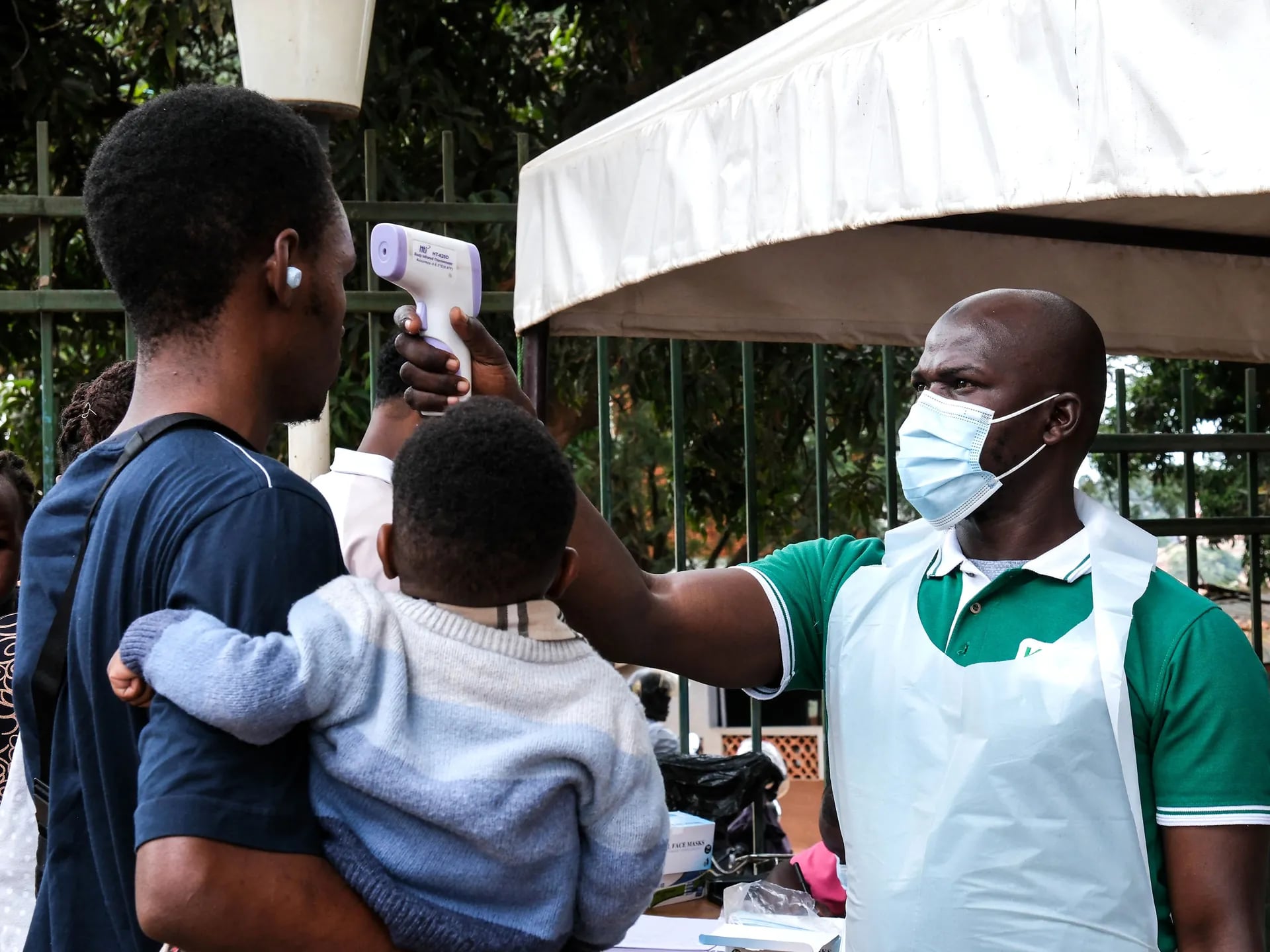
In a decisive move underscoring the escalating threat, the World Health Organization (WHO) has officially declared the Ebola virus outbreak affecting the Democratic Republic of Congo (DR Congo) and neighboring Uganda a Public Health Emergency of International Concern (PHEIC). This critical designation, made after careful deliberation by an emergency committee, signals a grave risk to global health and triggers a heightened level of international coordination and resource mobilization to contain the deadly pathogen.
The declaration comes amidst a rapidly worsening situation, primarily centered in the DR Congo, which accounts for the vast majority of suspected and confirmed cases. The outbreak has proven particularly challenging due to its geographical spread within conflict-ridden regions of eastern DR Congo, where ongoing violence, population displacement, and deep-seated community mistrust have severely hampered response efforts. Health workers and aid organizations have faced significant obstacles, including direct attacks, making it exceedingly difficult to trace contacts, conduct safe burials, and deliver essential medical care and vaccination programs. The complexity of operating in such an unstable environment not only endangers responders but also allows the virus to spread unchecked, creating a cycle of infection that is difficult to break.
The cross-border nature of the outbreak became starkly evident with the confirmation of cases in Uganda, specifically in areas bordering the DR Congo. While Uganda has demonstrated robust preparedness measures, including extensive border surveillance, public health messaging, and rapid response teams, the emergence of cases within its territory highlights the pervasive risk of international spread. The proximity of affected areas to major transportation routes and densely populated urban centers in both countries amplifies the potential for the virus to travel further, necessitating a concerted regional and global strategy to prevent a wider catastrophe. The Ugandan government, with support from international partners, has been proactive in implementing screening at entry points and educating communities on preventive measures, but the porous nature of the border remains a significant vulnerability.
The PHEIC declaration is not made lightly; it is reserved for extraordinary events that pose a public health risk to other states through the international spread of disease and potentially require a coordinated international response. This status empowers the WHO to issue temporary recommendations to countries aimed at preventing or reducing the international spread of disease and avoiding unnecessary interference with international traffic and trade. Crucially, it serves as a global call to action, urging member states, international organizations, and philanthropic bodies to provide financial, logistical, and technical support to the affected nations. It also helps to streamline the deployment of emergency medical teams, accelerate research into vaccines and treatments, and ensure the equitable distribution of resources.
Ebola, a severe and often fatal illness in humans, is transmitted to people from wild animals and spreads in the human population through direct contact with the blood, secretions, organs or other bodily fluids of infected people, and with surfaces and materials contaminated with these fluids. The current outbreak is not the first to plague the region; the DR Congo has a long and tragic history with Ebola, having experienced numerous outbreaks over the decades. Each recurrence presents unique challenges, but the ongoing conflict in the eastern provinces has made this particular outbreak one of the most complex and dangerous to manage. Lessons learned from previous epidemics, including the devastating West African outbreak of 2014-2016, underscore the critical importance of early detection, rapid response, community engagement, and sustained international support.
Operational difficulties extend beyond security concerns. Logistical hurdles, such as transporting vaccines that require ultra-cold chain storage to remote, rural areas with limited infrastructure, pose significant challenges. Furthermore, cultural practices, including traditional burial rites that involve close contact with the deceased, can inadvertently contribute to the virus's spread. Overcoming these deeply ingrained customs requires sensitive and sustained community engagement, building trust through respectful dialogue and offering safe alternatives that honor local traditions. Misinformation and rumors, often fueled by a lack of trust in authorities and foreign aid, further complicate efforts to educate communities and encourage adherence to public health guidelines.
Despite the formidable challenges, significant progress has been made in the development and deployment of effective tools against Ebola. The availability of an approved vaccine, Ervebo, and promising experimental treatments has transformed the landscape of Ebola response. However, the efficacy of these tools is heavily reliant on their timely and widespread application, which is precisely what the current environment in eastern DR Congo impedes. Ensuring equitable access to these life-saving interventions, particularly for the most vulnerable populations living in remote and conflict-affected zones, remains a paramount concern. The PHEIC declaration is expected to facilitate greater access to these resources and accelerate their deployment.
The socio-economic impact of the Ebola outbreak extends far beyond the immediate health crisis. Communities are grappling with disruptions to agriculture, trade, and education, exacerbating existing vulnerabilities. Fear and stigma associated with the disease can lead to social isolation and further economic hardship for survivors and their families. The long-term recovery for these communities will require not only robust health system strengthening but also comprehensive support for livelihoods, mental health services, and educational continuity. The international community's response must therefore be holistic, addressing not just the immediate medical emergency but also the broader humanitarian and developmental needs of the affected populations.
In light of the PHEIC declaration, the global community faces a renewed imperative to act decisively and collectively. This means not only providing immediate emergency funding and personnel but also investing in long-term solutions that build resilient health systems, foster community trust, and address the underlying drivers of vulnerability, such as poverty and conflict. The declaration serves as a stark reminder that in an interconnected world, a health crisis in one region can quickly become a global threat. Sustained commitment, political will, and genuine solidarity are essential to bring this complex and deadly outbreak under control and prevent future epidemics from reaching such a critical juncture. The world watches as the response unfolds, hoping that this heightened alert will translate into effective action that saves lives and restores stability to the affected regions.
Support Nivaran Foundation's global health initiatives to strengthen emergency response and disease prevention in vulnerable communities worldwide.
Talk to Nivaran Global