
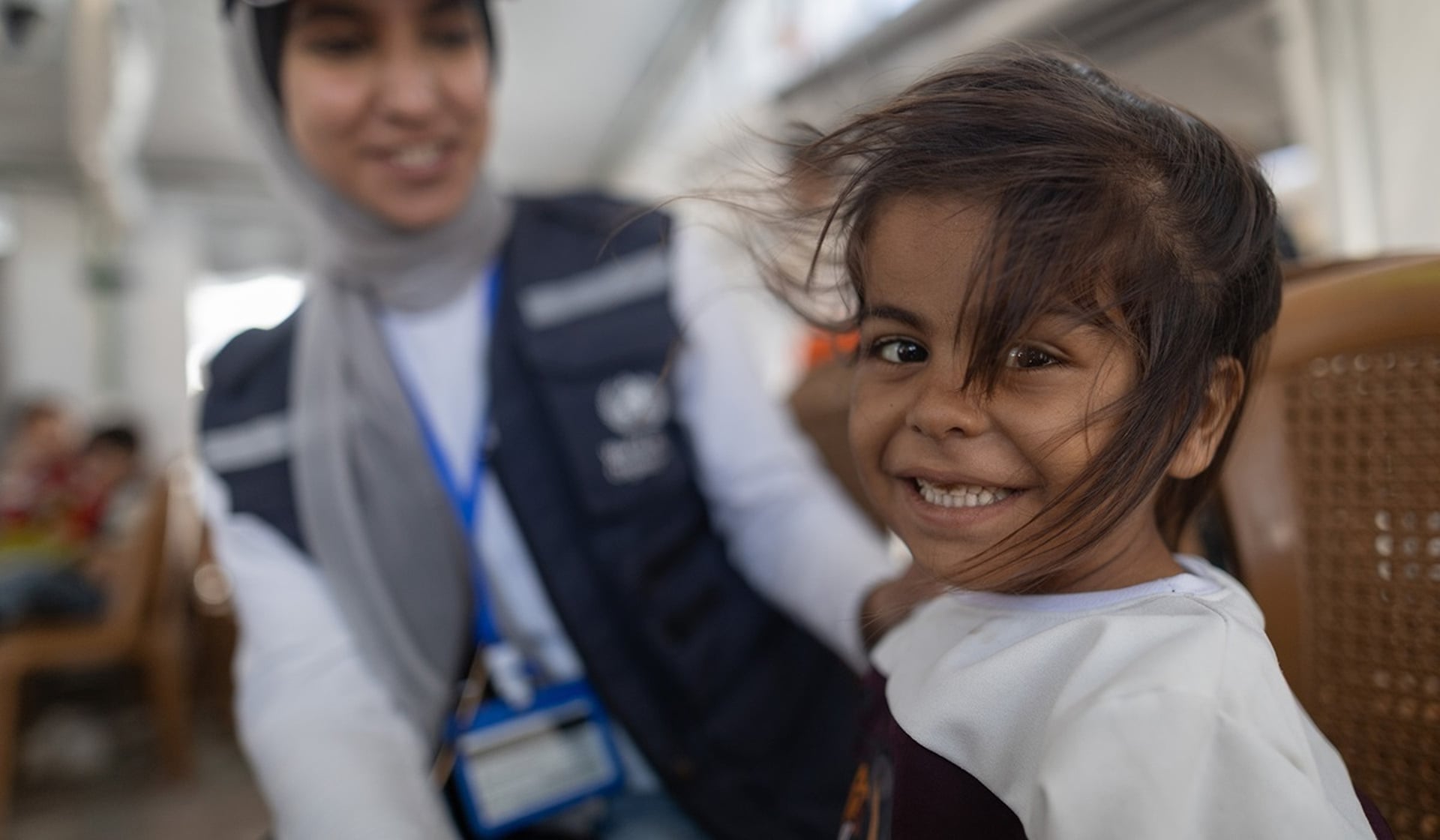
The global landscape is increasingly marked by a confluence of crises – protracted conflicts, devastating climate-induced disasters, and socio-economic upheavals – collectively placing immense strain on human well-being. In response to this escalating humanitarian challenge, the World Health Organization (WHO) has launched its urgent 2026 global appeal, a critical call to action aimed at securing essential health services for millions of people trapped in these dire circumstances. This appeal underscores a fundamental commitment to ensuring that even amidst the most profound adversities, the right to health remains accessible, offering a lifeline to communities whose very existence is threatened by forces beyond their control. The scale of human suffering in these crisis settings is staggering, with health systems often collapsing under the weight of demand, infrastructure destroyed, and medical personnel displaced or endangered. The WHO's initiative is not merely a request for funds; it is an urgent plea for global solidarity to mitigate preventable deaths, control disease outbreaks, and provide crucial care that can mean the difference between life and death for vulnerable populations worldwide.
Humanitarian crises are not isolated incidents; they are complex, interconnected phenomena that erode the fabric of societies and decimate public health infrastructure. From the prolonged conflicts that have displaced millions and shattered healthcare facilities in various regions to the sudden, catastrophic impacts of floods, droughts, and earthquakes exacerbated by climate change, the scenarios demanding urgent health interventions are multiplying. These emergencies disproportionately affect the most vulnerable: women, children, the elderly, and those already living with chronic conditions. Access to even the most basic healthcare – vaccinations, maternal care, clean water, and sanitation – becomes a luxury, not a right. The resulting health vacuum creates fertile ground for epidemics of preventable diseases like cholera, measles, and polio, which can spread rapidly in overcrowded displacement camps with inadequate hygiene. Mental health crises also surge, as individuals grapple with trauma, loss, and uncertainty, often with little to no access to psychosocial support. The WHO's appeal highlights that these are not just health crises; they are humanitarian catastrophes with profound and lasting health implications that demand a coordinated, robust global response.
The 2026 appeal outlines a comprehensive strategy designed to address the multifaceted health needs arising from these emergencies. At its core, the WHO's approach is built on several critical pillars. Firstly, it focuses on rapid emergency response coordination, ensuring that resources and expertise are deployed swiftly to affected areas. This involves establishing emergency operations centers, deploying medical teams, and coordinating with local authorities and other humanitarian partners to avoid duplication and maximize impact. Secondly, the appeal aims to restore and maintain access to essential health services. This includes primary healthcare, which is often the first casualty in a crisis, along with specialized services such as maternal and child health, sexual and reproductive health, and care for non-communicable diseases. The goal is to ensure continuity of care, preventing the collapse of health systems and mitigating long-term health consequences.
A significant component of the strategy involves strengthening local health infrastructure and workforce capacity. In many crisis settings, existing health systems are weak even before an emergency strikes. The appeal seeks to invest in training local health workers, providing them with necessary supplies and equipment, and rebuilding damaged health facilities. This not only addresses immediate needs but also builds resilience for future shocks, fostering self-sufficiency within affected communities. Furthermore, the appeal prioritizes disease surveillance and outbreak response. Early detection and rapid containment of infectious diseases are paramount in preventing widespread epidemics, especially in densely populated displacement sites. This includes vaccination campaigns, robust monitoring systems, and the pre-positioning of essential medicines and supplies. Mental health and psychosocial support also feature prominently, recognizing the profound psychological toll that crises exact on individuals and communities. Providing culturally appropriate mental health services is crucial for long-term recovery and well-being.
Despite the urgency and the clear humanitarian imperative, global health appeals consistently face significant challenges, primarily persistent funding gaps. The sheer scale of global crises often outstrips the available resources, leaving millions without adequate care. Donors, while generous, often struggle to meet the escalating demands, leading to difficult prioritization decisions that can leave critical needs unmet. Beyond funding, operational challenges abound. Security concerns in conflict zones frequently impede the delivery of aid and endanger health workers, making it difficult to reach the most vulnerable populations. Logistical hurdles, such as damaged infrastructure, lack of transportation, and bureaucratic impediments, further complicate efforts to deliver medicines, equipment, and personnel to where they are most needed. The destruction of health facilities, the displacement of medical professionals, and the disruption of supply chains create a vicious cycle that weakens health systems precisely when they are most needed. These systemic issues highlight the need for sustained, predictable funding and innovative approaches to humanitarian aid delivery, moving beyond reactive responses to more proactive, resilience-building strategies.
The consequences of failing to adequately fund and support these global health initiatives are dire and far-reaching. Inaction translates directly into preventable deaths, particularly among children under five and mothers during childbirth, who are disproportionately affected in emergencies. It means the uncontrolled spread of infectious diseases, not only within crisis zones but potentially across borders, posing a threat to global health security. It leads to long-term disability, chronic health conditions left untreated, and a generation scarred by trauma and lack of care. When health systems collapse, the ripple effects extend beyond individual suffering, hindering economic recovery, exacerbating social instability, and undermining efforts towards sustainable development. Children miss out on education due to illness or lack of access to care, perpetuating cycles of poverty and vulnerability. The human dignity of millions is eroded when basic health needs are ignored. The WHO's appeal serves as a stark reminder that investing in health in crisis settings is not merely charity; it is a strategic investment in human capital, global stability, and the fundamental right to life and well-being.
The World Health Organization’s 2026 appeal is a powerful testament to the unwavering commitment to global health equity, even in the face of overwhelming adversity. It is a clarion call for international cooperation, urging governments, philanthropic organizations, and individuals to recognize their shared responsibility in addressing these profound humanitarian challenges. Beyond immediate financial contributions, the appeal emphasizes the need for sustained political will to address the root causes of crises, foster peace, and build resilient communities capable of withstanding future shocks. Investing in health in these fragile settings is an investment in a more stable, equitable, and humane world. It ensures that the most vulnerable among us are not forgotten and that the principles of universal health coverage remain a guiding star, even in the darkest of times.
The Nivaran Foundation stands in solidarity with such global initiatives, recognizing that access to quality healthcare is a fundamental human right and a cornerstone of sustainable development. By supporting efforts like the WHO's appeal, the international community can collectively work towards a future where health is prioritized, crises are met with compassion and effective action, and millions are given the chance not just to survive, but to thrive. The 2026 appeal is more than a financial target; it is a moral compass, guiding global efforts to protect and promote health for all, everywhere, regardless of circumstance. The time for decisive action is now, to ensure that the promise of health reaches every corner of our interconnected world, especially where it is most desperately needed.
Support Nivaran Foundation's mission to ensure health equity and access for all, particularly in vulnerable global communities.
Talk to Nivaran Global