
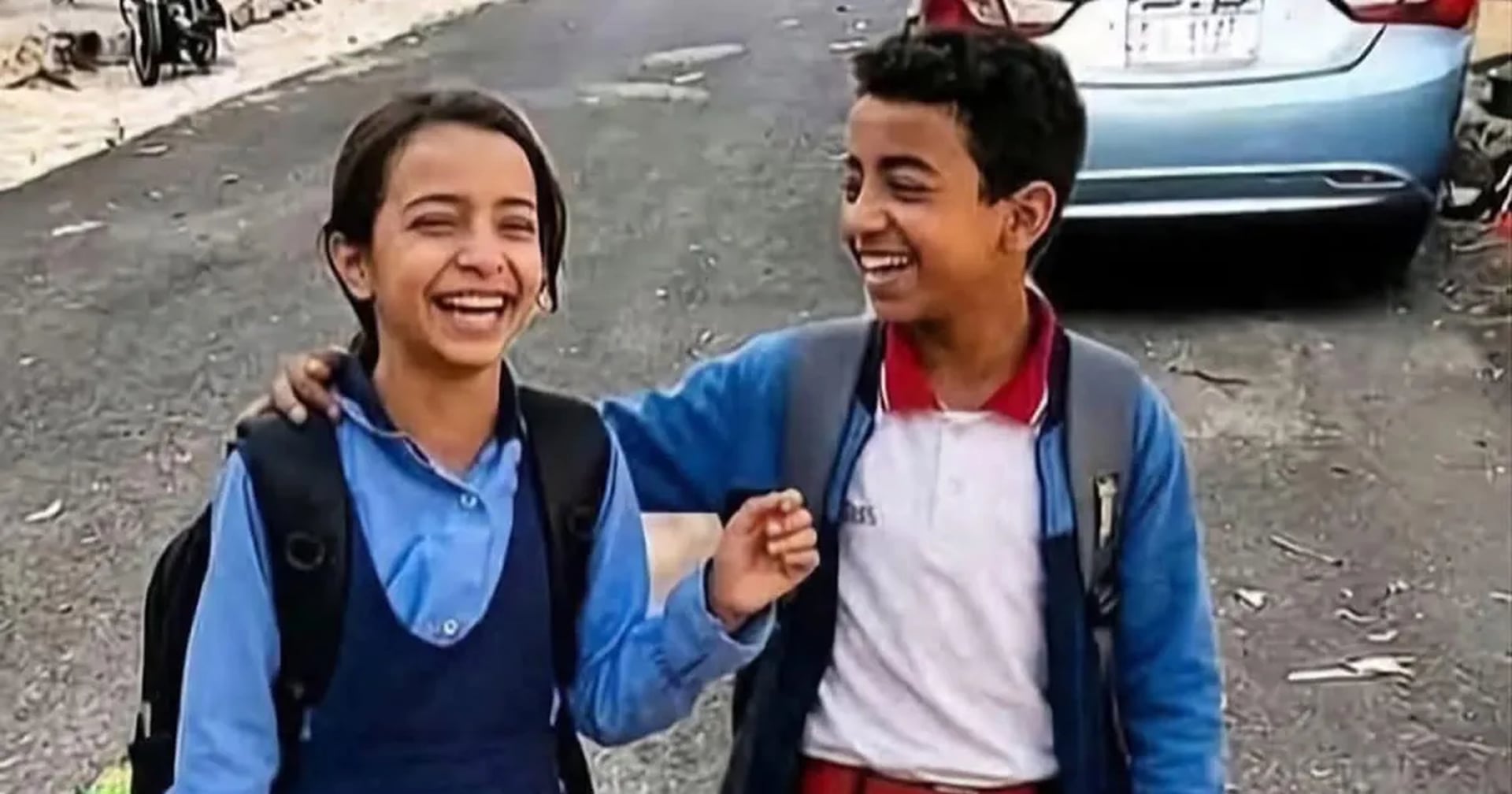
The city of Taiz, Yemen, a place long scarred by the relentless grip of conflict, was plunged into fresh mourning following the tragic death of a teenager, struck down by a suspected sniper while merely attempting to reach school. This heartbreaking incident, which saw a young life extinguished on a path meant for learning and growth, has ignited a wave of grief and outrage across the community, serving as a stark, painful reminder of the profound human cost of a war that continues to devastate the nation's most vulnerable: its children.
For years, Taiz has endured a brutal siege, transforming daily life into a perilous existence where the simple act of attending school can become a fatal journey. The teenager’s death is not an isolated tragedy but a chilling echo of countless others, underscoring the extreme fragility of life and the systematic erosion of fundamental rights in a conflict zone. Families in Taiz live under a constant cloud of fear, their hopes for their children's futures overshadowed by the ever-present threat of violence. The community's collective sorrow is palpable, a testament to the shared burden of loss and the desperate longing for an end to hostilities that have stolen so much. Parents grapple with the unbearable question of how to protect their children when even the pursuit of education carries such deadly risks, forcing them to weigh the value of learning against the immediate danger to life. This incident has reignited urgent calls for the protection of civilians and the demilitarization of areas surrounding schools, a plea that has resonated globally as the world witnesses the continued suffering in Yemen.
The broader landscape of education in Yemen has been catastrophically altered by years of armed conflict. Schools, once beacons of hope and stability, have frequently become targets, battlegrounds, or shelters for displaced families. Educational infrastructure lies in ruins across vast swathes of the country, with countless schools damaged, destroyed, or rendered unusable. Teachers, many unpaid for months or years, have been forced to flee or abandon their profession, further decimating an already fragile system. The result is a generation of Yemeni children whose access to education is severely compromised, if not entirely denied. Millions are out of school, their learning journeys abruptly halted, their futures uncertain. For those who do manage to attend, the experience is often fraught with anxiety, conducted in overcrowded classrooms, under-resourced environments, and the ever-present shadow of violence. The psychological toll on these young minds is immense, as they grapple with trauma, displacement, and the loss of loved ones, making concentration and learning an arduous task. The conflict has not only destroyed buildings but also the very fabric of a functioning educational system, leaving deep scars that will take decades to heal.
Children in conflict zones like Yemen are disproportionately vulnerable, facing a myriad of dangers that extend far beyond direct violence. They are at heightened risk of malnutrition due to food insecurity, susceptible to preventable diseases amidst collapsed healthcare systems, and often subjected to forced displacement, which uproots them from their homes and communities. The psychological trauma of witnessing violence, living in constant fear, and experiencing loss can have profound, long-lasting effects on their mental health and development. Furthermore, children are tragically susceptible to recruitment by armed groups, forced into roles that strip them of their innocence and expose them to unimaginable horrors. The collapse of social structures and protective mechanisms leaves them exposed to exploitation and abuse, exacerbating an already dire humanitarian crisis. In Yemen, these vulnerabilities are compounded by widespread poverty and the systematic destruction of essential services, creating a desperate environment where children struggle to survive, let alone thrive.
International humanitarian law explicitly mandates the protection of civilians, including children, and civilian objects, such as schools, during armed conflict. Attacks targeting educational facilities or individuals engaged in educational activities are grave violations of these laws, which are designed to mitigate the suffering of non-combatants. The principles of distinction, proportionality, and precaution are cornerstones of this legal framework, requiring parties to a conflict to differentiate between combatants and civilians, ensure that attacks do not cause excessive harm to civilians, and take all feasible precautions to avoid or minimize civilian casualties. When a child is killed on their way to school, it represents not only a profound human tragedy but also a potential breach of these fundamental tenets. There is an urgent need for accountability for such acts, to ensure that perpetrators are held responsible and to deter future violations. The international community has a moral and legal obligation to advocate for the adherence to these laws and to ensure that the sanctity of education and the safety of children are upheld, even in the midst of war.
The long-term consequences of such widespread educational disruption are catastrophic, threatening to create a "lost generation" in Yemen. Children deprived of schooling are denied the foundational knowledge and skills necessary for personal development, economic independence, and active participation in society. This educational vacuum perpetuates cycles of poverty, instability, and vulnerability, making it incredibly difficult for the nation to rebuild and achieve sustainable peace once the conflict eventually subsides. Without an educated populace, the prospects for economic recovery, democratic governance, and social cohesion are severely diminished. A generation that grows up without access to quality education is less equipped to contribute to their country's development, more susceptible to exploitation, and faces immense challenges in breaking free from the grip of conflict and deprivation. Investing in education, even amidst conflict, is therefore not merely a humanitarian imperative but a strategic necessity for future peace and stability.
Nivaran Foundation, through its global desk, remains steadfast in its commitment to addressing the critical challenges faced by children in conflict-affected regions worldwide. We advocate tirelessly for the protection of children's rights, particularly their right to a safe and uninterrupted education. Our efforts focus on supporting initiatives that provide safe learning environments, deliver essential educational resources, and offer psychosocial support to help children cope with trauma. The tragic incident in Taiz underscores the urgent need for global attention, sustained humanitarian aid, and robust diplomatic efforts to bring an end to the conflict in Yemen. We call upon all parties to the conflict to respect international humanitarian law, protect civilians, and ensure unhindered access to education for all children. It is imperative that the international community redoubles its commitment to safeguarding the future of Yemen's children, ensuring that their aspirations for learning and peace are not extinguished by the ravages of war.
Support Nivaran Foundation's efforts to provide safe learning environments and advocate for children's education in conflict-affected regions worldwide.
Talk to Nivaran Global