
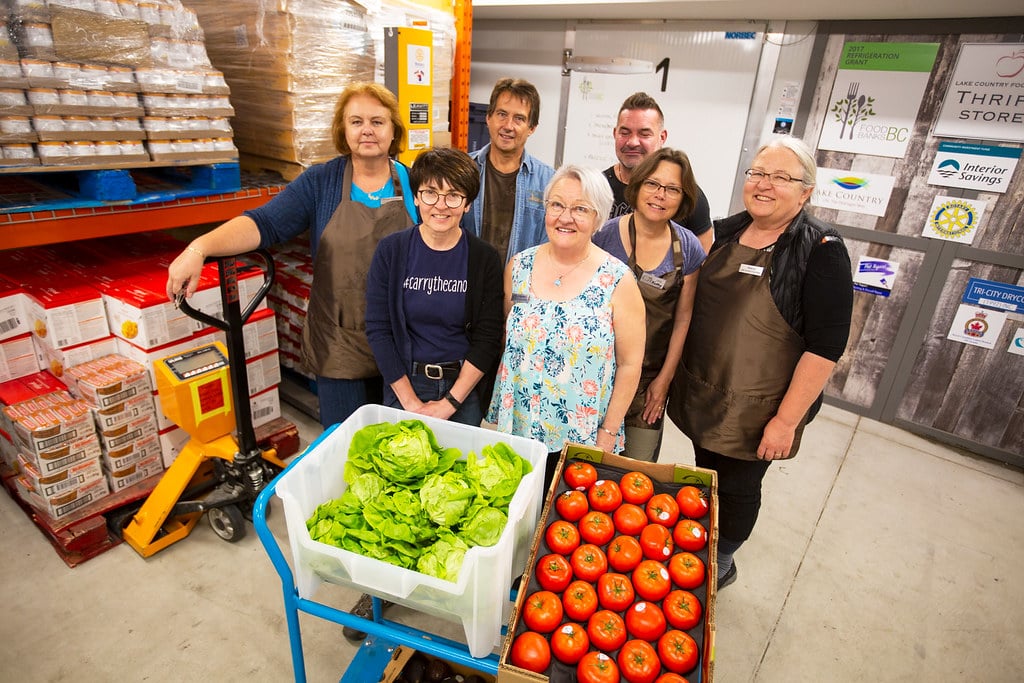
Food insecurity is a growing concern in the United States, affecting millions of individuals and families every year. Defined as a lack of consistent access to enough food for an active, healthy life, food insecurity disproportionately impacts vulnerable populations, including children, seniors, and low-income households. In this article, we explore the causes and consequences of food insecurity, highlight the role of communities in addressing the issue, and share actionable solutions for building stronger, hunger-free neighborhoods.
The State of Food Insecurity in America
According to the U.S. Department of Agriculture (USDA), 33.8 million people, including 9.3 million children, lived in food-insecure households in 2021. Food insecurity rates are highest among Black and Hispanic households, with 19.8% and 16.2% affected, respectively, compared to 8.1% of White households. The COVID-19 pandemic exacerbated the problem, causing widespread unemployment and straining food assistance programs.
The issue is particularly severe in rural areas and food deserts—regions where access to affordable, nutritious food is limited due to the absence of grocery stores and transportation challenges. Additionally, rising food costs and inflation further hinder families' ability to put meals on the table.
The Ripple Effects of Food Insecurity
Food insecurity has far-reaching consequences for individuals and communities:
Community-Driven Solutions to Food Insecurity
Addressing food insecurity requires a collaborative approach that combines government policies, nonprofit efforts, and community-driven initiatives. Here are some effective strategies:
Nivaran Foundation's Role in Tackling Food Insecurity
At the Nivaran Foundation, we believe that food is a fundamental right, not a privilege. Our programs focus on delivering immediate relief through food drives and meal distribution while addressing long-term needs through education and community empowerment. By partnering with local organizations, we aim to build a network of resources that ensures no one in our communities goes hungry.
A Call to Action
Food insecurity is a solvable problem, but it requires collective action. Whether through donating to food banks, volunteering at local pantries, or advocating for equitable policies, everyone has a role to play in building hunger-free communities. Together, we can create a future where every individual has access to the nourishment they need to thrive.
Together, we can rebuild lives and strengthen communities.
This reporting supports public understanding, partner alignment, and responsible humanitarian action. Back the work if you want this platform to keep publishing with clarity and discipline.
Talk to Nivaran Global