
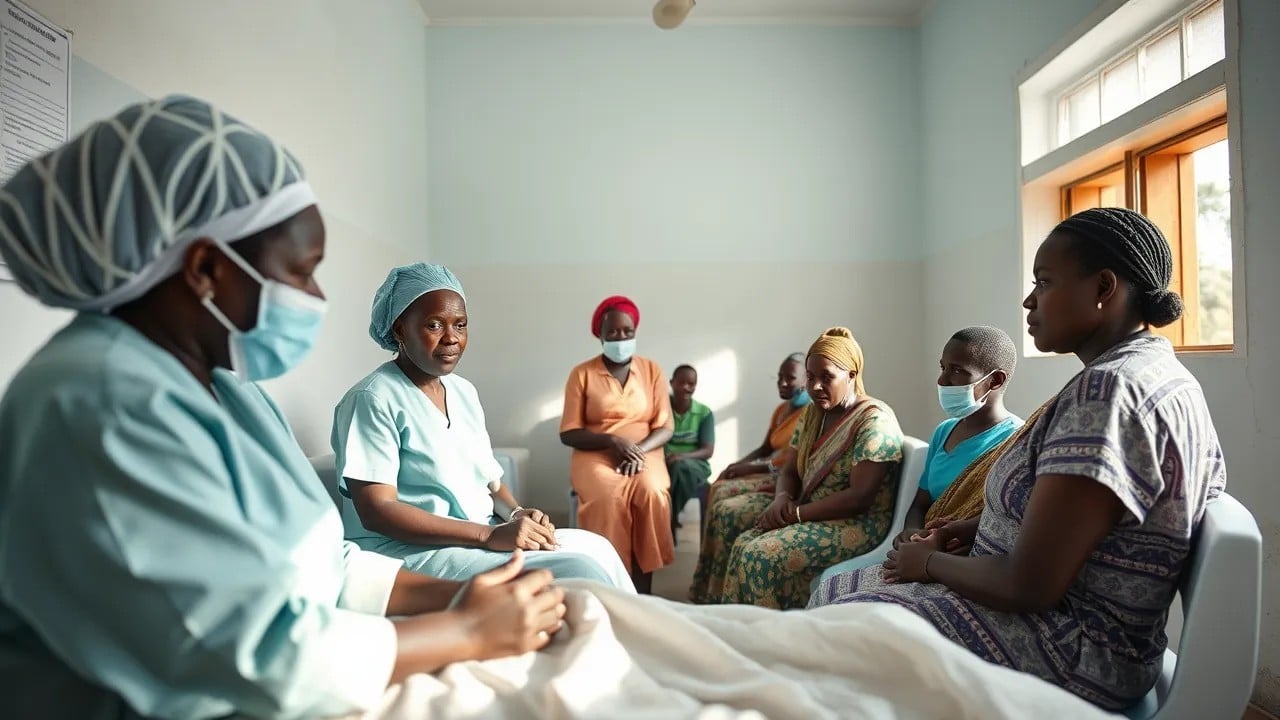
The only free thing is a bed
In the dim light of a Salima district hospital ward, Maureen Msukwa lies on a thin mattress that has been shared by three other patients. Two days into her stay, she still has not received the painkiller that the pharmacy cannot provide because the supply chain has collapsed. The hospital, a modest brick structure surrounded by acacia trees, is a micro‑cosm of a broader crisis: Malawi’s health system is running out of essential medicines, and patients are being asked to pay for beds that were once freely available.
The policy stakes are stark. Malawi’s public hospitals were built on a model of universal free care, but the country’s chronic shortage of foreign exchange has crippled its ability to import drugs and medical supplies. As a result, patients are forced to purchase basic medications from private pharmacies or to bring them in from distant towns, often at prices that exceed their daily wages. The situation is not a temporary hiccup; it is a systemic failure that threatens to reverse decades of progress in maternal and child health, disease prevention, and health equity.
The Guardian Global Health reports that the shortage of foreign exchange has left the Ministry of Health unable to pay for essential items such as antibiotics, antimalarials, and vaccines. In the absence of these drugs, hospitals are turning to a makeshift system of charging patients for beds and basic services. This shift is not merely a financial adjustment—it signals a profound erosion of the principle that healthcare should be a right, not a commodity. The ripple effects are already visible in rural communities, where families must choose between paying for a bed or buying a life‑saving drug.
Key Developments and Verified Findings
The first development is the abrupt halt in the procurement of international medical supplies. Malawi’s national currency has depreciated sharply, making the purchase of foreign‑made drugs prohibitively expensive. The Ministry of Health has been forced to cancel orders that were scheduled for delivery in the last quarter, leaving hospitals with dwindling stocks of life‑saving medications. This shortage is not limited to one facility; it is a nationwide phenomenon that has been documented in several district hospitals across the country.
The second key finding is the emergence of a new fee‑for‑service model that is being implemented at the ward level. Patients are now required to pay a nominal fee for each night they occupy a bed. While the fee itself is modest, the cumulative cost becomes significant for families already living near the poverty line. Moreover, the policy has led to a surge in informal payments, with staff sometimes demanding additional money for basic services that were previously covered by the national health budget.
The third development is the impact on maternal and child health outcomes. The Guardian Global Health notes that the shortage of essential drugs has led to an increase in complications during childbirth, as well as a rise in neonatal infections. In rural areas, where transport to higher‑level facilities is often impossible, mothers and infants are left with no alternative. The lack of access to antibiotics and vaccines is also contributing to a resurgence of preventable diseases such as measles and malaria, undermining the gains made over the past decade.
Structural Public Health and Education Context
Malawi’s health system has historically relied on a combination of domestic funding and international aid. The recent economic downturn has strained the country’s ability to maintain this balance, forcing the government to reallocate resources from health to other pressing needs. This shift has left a vacuum that private pharmacies and informal markets are now filling, often at the expense of equity and quality of care.
Education about disease prevention and maternal health is also suffering. With fewer resources available for community health workers, the spread of misinformation about vaccines and malaria prevention has increased. Schools, which once served as hubs for health education, now struggle to provide accurate information to children and their families. The result is a cycle of ignorance that perpetu
Implications for Frontline and Underserved Communities
Malawi’s rural districts, where the majority of the population lives, are already stretched thin by limited infrastructure. The absence of essential medicines forces patients to travel long distances to the nearest pharmacy or to scour markets for over‑the‑counter alternatives that may be ineffective or unsafe. For families in the Salima district, this means a daily trek of several kilometres on foot or by unreliable bus services, often during inclement weather. The time and money spent on these journeys are lost opportunities for work, schooling, or caring for other sick relatives. In a setting where the average household income barely covers basic food needs, the added burden of travel and the risk of delayed treatment can tip a manageable illness into a life‑threatening emergency.
Clinic and classroom capacities are also compromised. Health posts that once served as community hubs for both medical care and health education now struggle to maintain a steady supply of basic drugs such as paracetamol, antibiotics, and antimalarials. When a clinic runs out of medication, staff are forced to divert patients to larger district hospitals, which are already overcrowded. This overflow not only strains the limited bed capacity—hence the adage that “the only free thing is a bed”—but also reduces the time clinicians can spend with each patient, diminishing the quality of care and the effectiveness of preventive counseling. In schools, the same scarcity of resources hampers health education programmes. Without access to basic health supplies, teachers cannot demonstrate proper hygiene practices or administer routine vaccinations, leaving children vulnerable to preventable diseases and perpetuating a cycle of ill health that undermines educational attainment.
Despite these challenges, community resilience remains a powerful counterforce. Local groups have organized informal networks to share information about where to find affordable medicine, often pooling resources to purchase bulk quantities from private vendors. In some villages, traditional healers collaborate with formal health workers to provide a hybrid model of care, blending culturally accepted practices with evidence‑based interventions. These grassroots initiatives demonstrate that, even in the face of systemic shortages, communities can adapt and innovate. However, without sustained support from national and international partners, such resilience is fragile and may falter when supply chains are disrupted or when economic shocks hit the region.
Policy Priorities and the Road Ahead
A pragmatic, accountable policy framework must address both the immediate shortages and the underlying vulnerabilities that allow them to persist. First, strengthening the national procurement system is essential. This involves transparent tender processes, rigorous quality assurance, and the establishment of a centralised inventory that tracks stock levels in real time across all health facilities. By reducing bureaucratic bottlenecks and ensuring that medicines reach the point of care promptly, the system can minimize the need for patients to pay out of pocket for essential drugs.
Second, diversifying the supply chain through regional partnerships can mitigate the impact of foreign exchange constraints. Engaging with neighbouring countries to create a shared regional procurement pool would allow Malawi to negotiate better prices and to secure a more stable flow of critical supplies. Such collaboration should be underpinned by clear agreements on cost‑sharing, quality standards, and equitable distribution, ensuring that rural districts receive their fair share of resources without overburdening the national budget.
Third, investing in local pharmaceutical production and training can build long‑term self‑reliance. Establishing small‑scale, community‑based manufacturing units for essential drugs—such as paracetamol and antimalarials—would reduce dependence on imports and create employment opportunities. Coupled with capacity‑building programmes for pharmacists and health technicians, this approach would strengthen the workforce that manages procurement, distribution, and dispensing of medicines. Importantly, these initiatives must be monitored through independent audits and community feedback mechanisms to maintain accountability and prevent corruption.
Ultimately, the road ahead requires a coordinated effort that blends immediate relief
Editorial Credit & Source Attribution
This article was independently researched, analyzed, and rewritten by the Nivaran Global Editorial Team to provide public-health and educational context. Primary reporting credit: The Guardian Global Health (published 2026-11-25). Cover visual: Unique AI editorial illustration created exclusively for Nivaran.
Help turn accountable public-health reporting into frontline clinical action—give monthly, make a one-time USD gift, or sponsor a rural mobile health camp.